
Plants
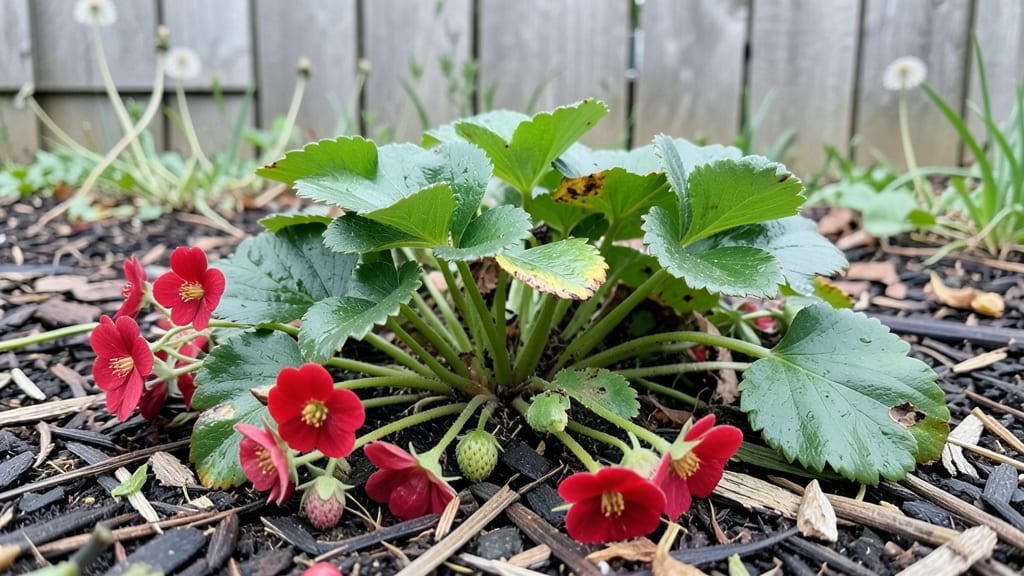
Red flowered strawberries add a bold splash of color to any garden, turning ordinary beds into eye-catching displays 🍓.
Imagine a strawberry plant that bursts into vibrant red blooms before producing sweet, juicy fruit—these aren’t just a visual showstopper, they’re a gardener’s dream for adding color and productivity to your landscape.
Whether you’re designing a flower bed, a container garden, or a border, red-flowered varieties like 'Albion' and 'Seascape' bring a unique contrast that pairs beautifully with greenery, purple blooms, or even white flowers.
In this guide, you’ll discover how to showcase their striking blooms, which companion plants make the best pairings, and simple tips to keep them thriving for years to come.
Top 5 red flowered strawberry varieties for your garden
Red flowered strawberries bring a dramatic pop of color to your garden while delivering sweet, juicy fruit. These varieties stand out with their vibrant red blossoms that attract pollinators and create stunning visual displays.
Whether you're designing a flower bed, container garden, or edible landscape, these five cultivars will elevate your space with both beauty and bounty.
The key to selecting the right variety lies in understanding their unique characteristics—from fruit size to bloom intensity and climate adaptability. Each of these red-flowered strawberries offers something special, whether it's prolonged harvests, disease resistance, or compact growth for small spaces.
Let’s dive into the top five that will make your garden the talk of the neighborhood.
| Variety | Bloom Color | Fruit Color | Fruit Size | USDA Zone | Best For |
|---|---|---|---|---|---|
| Albion | Deep red | Bright red | Medium-large | 4-9 | Cold climates, early harvests |
| Seascape | Bright red | Deep red | Large | 5-10 | Containers, long harvests |
| Quinault | Vibrant red | Rich red | Medium | 6-10 | Disease resistance, pollinator-friendly |
| Mignonette | Soft red | Light red | Small | 3-9 | Small spaces, early ripening |
| Fort Laramie | Bright red | Dark red | Large | 4-8 | Cold hardiness, high yields |
'Albion' is a cold-hardy favorite with deep red blooms that transition into large, sweet strawberries. This variety thrives in USDA zones 4-9, making it perfect for gardeners in northern climates. The early-season harvest means you’ll enjoy fresh fruit before many other varieties even produce. Its vigorous growth also makes it ideal for ground covers or border plantings where you want both color and productivity.
'Seascape' is a container gardening superstar with bright red flowers and prolonged harvests. Unlike many strawberries, it produces fruit throughout the season, not just in one flush. The large, juicy berries are a gardener’s delight, and its compact size makes it perfect for patio pots or window boxes. This variety also handles partial shade better than most, giving you flexibility in placement.
'Quinault' stands out for its disease resistance and vibrant red blooms that attract bees and butterflies. The medium-sized fruit is sweet and firm, making it great for fresh eating or preserving. It’s particularly well-suited for organic gardens because it resists common fungal diseases like powdery mildew. Plant it in full sun for the most abundant blooms and fruit production.
'Mignonette' is the perfect choice for small gardens or window boxes. Its soft red flowers and tiny strawberries create a whimsical, cottage-garden look. This variety is early ripening, so you’ll get a
How to grow red flowered strawberries for maximum blooms and fruit
Red flowered strawberries aren’t just about stunning red blooms—they’re powerhouses that deliver both beauty and abundant fruit. To unlock their full potential, you’ll need to focus on soil health, sunlight exposure, and strategic pruning.
These varieties thrive when given the right conditions, rewarding you with vibrant flowers and juicy berries all season long.
The secret to maximizing red flower production and fruit lies in understanding their seasonal needs. Unlike traditional strawberries, these cultivars often produce flowers in early spring, followed by fruit. Proper care during each growth stage—from planting to winterization—ensures your plants stay vigorous and productive year after year.
Step-by-Step Guide to Growing Red Flowered Strawberries
-
Step 1: Prepare Well-Draining Soil
Test your soil’s pH level (ideal: 5.5–6.5) and amend with compost or peat moss for better drainage. Red flowered strawberries hate soggy roots, so raise beds if your soil is clay-heavy. -
Step 2: Plant in Full Sun
Choose a spot with 6+ hours of sunlight daily. Morning sun and afternoon shade work best in hot climates to prevent stress. Use black plastic mulch to retain warmth and suppress weeds. -
Step 3: Prune for Blooms
After the first harvest, remove old leaves and spent runners to redirect energy to new growth. This encourages more red flower buds for the next season. -
Step 4: Fertilize Strategically
Apply a balanced 10-10-10 fertilizer in early spring and after harvest. Avoid high-nitrogen feeds in summer, as they promote leafy growth over flowers. -
Step 5: Water Deeply
Water at the base of plants in the morning to prevent fungal diseases. Aim for 1 inch of water weekly, adjusting for rain. Drip irrigation works best to keep foliage dry. -
Step 6: Protect from Winter
In USDA Zones 5-7, mulch heavily with straw or leaves and cover with burlap if temperatures drop below 20°F. This shields roots and ensures spring regrowth. -
Step 7: Harvest and Repeat
Pick fruit when fully red and slightly soft. After harvest, prune again to encourage fall blooms and set next year’s fruit for early spring.
One of the biggest mistakes I see is over-pruning in early spring. Red flowered strawberries need their leaves to photosynthesize for energy. Only remove damaged or yellowed foliage until after the first harvest. This ensures your plants have enough strength to produce those show-stopping red blooms again next year.
For container growers, choose dwarf varieties like ‘Mignonette’ and use pots with drainage holes. Elevate containers to prevent root rot, and fertilize every 3-4 weeks during the growing season. Containers dry out faster, so monitor soil moisture closely—especially in hot summer months.
With these steps, your red flowered strawberries will thrive, delivering vibrant blooms and sweet fruit season after season. The key is consistency—whether it’s soil prep, pruning, or winter care. Your garden will thank you with a stunning display and a bountiful harvest! 🌷