
Flowers
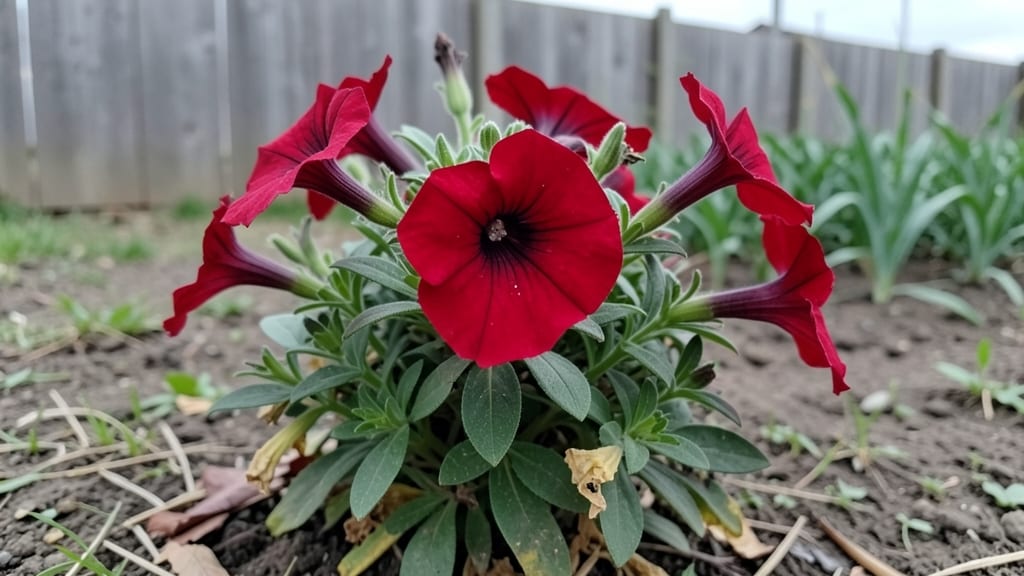
Growing a red petunia flower 🌸 is like painting your garden with bold strokes of summer—if you know the secrets to keeping them vibrant and thriving.
Bright red petunia flowers can transform your garden into a vibrant paradise—but only if you master their care. These show-stopping annuals thrive with the right sunlight, soil, and a few pro-level tricks to keep them blooming longer than ever.
You don’t need a green thumb to grow them, but you do need to understand their love for full sun, well-draining soil, and consistent watering. Skip these basics, and you’ll end up with droopy blooms instead of the lush, eye-catching displays you’re dreaming of.
In this guide, I’ll walk you through everything from planting in April-May to deadheading for nonstop blooms—so you can enjoy your red petunias from summer straight through to early fall.
How to grow red petunias for maximum blooms (light, soil & watering secrets)
Red petunias are the superstars of summer gardens, bursting with fiery blooms that demand attention—but they won’t thrive without the perfect conditions. These sun-loving annuals need a precise balance of light, soil, and water to reward you with nonstop color.
Whether you're planting in hot Southern climates or cooler Northern zones, mastering these three elements will unlock their full potential.
The secret to maximum red petunia blooms lies in replicating their natural habitat. In the wild, they grow in well-draining soil with 6+ hours of sunlight daily, paired with consistent moisture without waterlogging.
When you nail these basics, you’ll see blooms from early summer until frost—or even later with the right care tricks.
Let’s start with the most critical factor: sunlight exposure. Red petunias are sun worshippers that need at least 6 hours of direct sunlight daily to produce their signature vibrant blooms.
In Southern climates, I recommend placing them where they get morning sun and afternoon shade—this prevents the leaves from scorching while keeping the flowers happy. For Northern gardens, full sun all day is ideal, even in partial shade spots.
Your next move is soil preparation. These flowers despise soggy roots, so well-draining soil is non-negotiable. Aim for a slightly acidic pH between 5.8-6.5. If your soil is heavy clay, mix in perlite or sand to improve drainage.
For sandy soils, add compost or coconut coir to retain moisture. A quick test: squeeze a handful of soil—if it forms a tight ball, it’s too dense.
Watering red petunias requires a Goldilocks approach: not too much, not too little. These plants prefer consistently moist soil but will sulk if their roots sit in water. My trick? Water deeply every 2-3 days in the morning, giving them about 1 inch of water per week.
In hot, dry climates, I increase frequency to daily while mulching with 2-3 inches of straw to lock in moisture. Watch for wilting leaves—this is your cue to water immediately.
Don’t overlook the power of seasonal adjustments. In spring, when temperatures rise, I start fertilizing with a balanced 10-10-10 formula every 4-6 weeks. For summer blooms, I switch to a low-nitrogen, high-phosphorus feed (like 5-10-10) to encourage more flowers.
By late summer, I taper off fertilizing to let the plants prepare for cooler weather. Pro tip: Always water before fertilizing to prevent root burn.
For container gardening, red petunias shine in hanging baskets or window boxes. Use a fast-draining potting mix with added perlite, and water every 1-2 days since containers dry out quicker. Place them where they’ll get at least 4-6 hours of sun, even if it’s not full sun.
In shady balconies, choose trailing varieties like 'Supertunia'—they’ll still bloom, just with slightly smaller flowers.
One common mistake I see is overhead watering, which can lead to powdery mildew or fungal issues. Always water at the base of the plant using a drip irrigation system or soaker hose.
If you notice yellowing leaves, it could signal overwatering or poor drainage. Adjust your watering schedule and check your soil mix immediately—red petunias are tough but not indestructible.
To extend your red petunia season, try these climate-specific hacks. In cool climates, plant them in south-facing beds where they’ll catch extra warmth. For hot zones, provide afternoon shade with a lattice or shade cloth (30-50% coverage).
And here’s a bonus: If frost threatens early, cut back the plants by half
3 Proven tricks to extend red petunia blooms all season long
Your red petunia flowers can keep blooming like crazy all season with just a few simple tricks. These show-stopping annuals naturally produce flowers, but they need the right care to extend their blooming period.
The secret lies in three key areas: deadheading, smart fertilizing, and pest prevention—all designed for busy gardeners who want minimal maintenance with maximum results.
Most gardeners focus on planting and watering but overlook the continuous care that keeps petunias thriving. Without proper attention, your red petunias might produce fewer blooms as summer progresses. The good news?
These tricks take less than 10 minutes per week and make a world of difference. Let’s dive into the easiest ways to keep your petunias looking their best all season.
- 1 Deadhead daily – Snip off spent blooms with clean pruning shears to redirect energy to new flowers. This trick alone can double your blooming time!
- 2 Fertilize every 4 weeks with a balanced 10-10-10 mix in early morning. Organic options like fish emulsion work too—just avoid overfeeding, which causes leafy growth over blooms.
- 3 Prevent pests with neem oil spray (weekly) to stop aphids and powdery mildew. Early treatment keeps your petunias healthy and vibrant without harsh chemicals.
Deadheading is the #1 trick for extending blooms. When you remove wilted flowers, you signal the plant to produce more buds instead of seeds. Use clean pruners and snip just above a leaf node—this encourages bushier growth.
I like to do this in the early morning when blooms are still crisp, making the task quick and efficient.
Fertilizing might seem intimidating, but petunias love a consistent feeding schedule. A balanced fertilizer like 10-10-10 ensures they get equal parts nitrogen, phosphorus, and potassium. Organic options like compost tea or worm castings are gentler on the soil and just as effective.
The key is to feed lightly—overdoing it leads to leafy monsters instead of blooms.
Pests and diseases can derail your petunias faster than you think. Aphids and powdery mildew are common culprits, but a preventative spray of neem oil keeps them at bay.
I spray my petunias every 7-10 days during peak growing season. If you spot yellowing leaves or sticky residue, act fast—these are early warning signs of trouble.
For busy gardeners, these tricks take less than 15 minutes per week but yield dramatic results. Your red petunias will reward you with continuous blooms from spring until frost. The best part? You’ll have a low-maintenance garden that still looks like a high-end floral display.
Try these tricks this season and watch your red petunias shine brighter and longer than ever. Your neighbors will be asking for your secret gardening tips—and you’ll finally have the answer! 🌸