
Vegetables
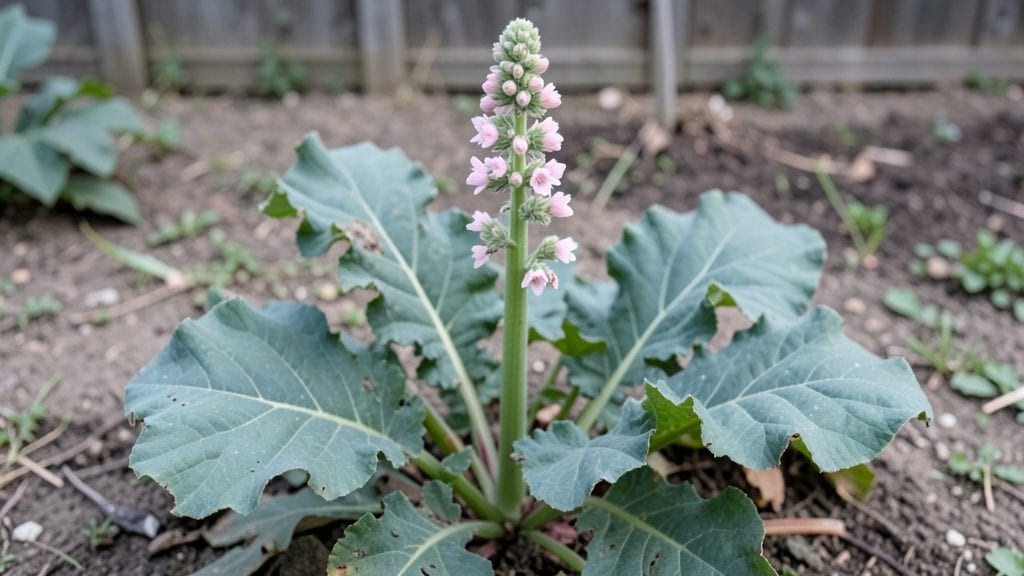
The stunning red rhubarb flower 🌸 is more than just a pretty sight—it’s a delicate edible treat that can elevate your spring dishes with a tart, floral twist.
Did you know these vibrant blooms are packed with flavor but must be harvested with care? Snip them wrong, and you’ll drain your plant’s energy—or worse, lose next year’s crop.
The secret lies in timing: pick them just as they open, but never more than one-third of the flowers at once.
Growing red rhubarb in Zone 6 means these flowers appear in late spring, right when your garden is bursting with life. Whether you’re aiming for jam, tea, or garnishes, knowing when and how to harvest ensures your plant stays healthy while you enjoy their unique taste.
Below, I’ll walk you through the exact steps to identify, time, and harvest these flowers safely—so you can enjoy their beauty and flavor without sacrificing your plant’s future.
When and why to harvest red rhubarb flowers for maximum yield
Harvesting red rhubarb flowers at the right time can boost your plant's productivity while giving you edible blooms for culinary use. Unlike their green counterparts, these red-pink flowers appear later in the season and require precise timing to avoid stressing your plant.
The key is understanding when flowers are at their peak—before they fully open—for both flavor and plant health.
Many gardeners mistakenly assume all rhubarb flowers are safe to harvest. However, red rhubarb varieties like 'Strawberry' or 'Victoria' produce flowers with mild tart flavors, ideal for teas, syrups, or garnishes.
Harvesting too early or too late can reduce your plant's energy for stalk production, so timing is everything.
Here’s how to decide when to harvest based on flower stage, regional climate, and your plant’s growth cycle:
| Harvest Timing | Flower Stage | Benefits | Risks | Best For |
|---|---|---|---|---|
| Pre-bloom (Bud Stage) | Tight buds, no petals visible | Maximizes flavor intensity; minimal stress on plant | Limited yield (fewer flowers) | Culinary use (syrups, teas) |
| Early Bloom (Partially Open) | Petals just emerging, red-pink color visible | Balanced flavor and yield; ideal for garnishes | Slightly less flavor than buds | Edible decorations, jams |
| Full Bloom (Open Flowers) | Petals fully open, bright red centers | Highest visual appeal; safe for non-edible uses | Reduced stalk production; plant energy diverted | Dried arrangements, ornamental |
| Post-Bloom (Wilted) | Petals drooping or brown | None (avoid harvesting) | Stresses plant; reduces next year's yield | Remove only if deadheading |
In USDA Zones 3-7, red rhubarb flowers typically emerge in late May to June, aligning with peak stalk harvest. If you're in warmer zones (8-10), flowers may appear earlier—around April to May.
Always prioritize harvesting buds or early blooms to preserve your plant's energy for next year's stalks.
Identify the best flowers to harvest by looking for tight buds with vibrant red centers. Avoid flowers with yellowing petals or brown edges, as these indicate stress or disease. A healthy flower should feel firm to the touch and have no signs of pests like aphids.
Removing flowers also encourages your rhubarb plant to focus energy on stalk production rather than seed development. This is especially critical for young plants (under 3 years old), which need all their resources to establish strong root systems.
For mature plants, you can harvest up to 30% of flowers without compromising yield.
Seasonal timing matters too. In cooler climates, harvest flowers in June-July to avoid early frost damage. In warmer regions, extend harvesting into August, but stop by mid-September to allow the plant to prepare for dormancy. Always harvest on dry mornings to prevent fungal issues.
Pro tip: Use clean, sharp pruners to cut flowers at a 45-degree angle, about 1 inch below the bloom. This minimizes damage to the stem and encourages new growth. After harvesting, rinse flowers gently in cool water and pat dry to remove any debris.
If you're unsure whether your rhubarb variety produces edible red flowers, check the plant label or seed packet. Some hybrids (like 'Cherry' rhubarb) have non-edible flowers, while others (like 'Victoria') are safe.
When in doubt, test a small amount of a flower in a tea or syrup before full-scale harvest.
Step-by-Step guide to safely harvesting rhubarb flowers without harming the plant
Harvesting red rhubarb flowers can be a rewarding experience, but timing and technique are critical to preserving your plant's health. These delicate blooms demand gentle handling—cutting too early or too late can stress the plant, reducing its stalk production for next season.
The key is to remove flowers when they're fully open but still firm, ensuring you don’t drain energy from the roots.
Before you begin, gather the right tools: sharp pruning shears, a clean bucket of water, and a small pair of gloves to protect your hands. Avoid using dull scissors or knives, as they can crush stems and invite disease.
Work on a dry morning when dew has evaporated, as wet conditions increase the risk of fungal issues.
How to Safely Harvest Red Rhubarb Flowers
- ✅ Step 1: Identify Mature Flowers – Look for fully open red blooms with vibrant petals. Avoid buds or partially opened flowers, as they won’t have developed flavor.
- ✅ Step 2: Use Clean Tools – Disinfect your pruning shears with rubbing alcohol to prevent spreading bacteria. Sharp tools make cleaner cuts, reducing stress on the plant.
- ✅ Step 3: Cut at the Right Angle – Hold the stem at a 45-degree angle, about 1 inch below the flower head. This promotes faster healing and minimizes water loss.
- ✅ Step 4: Remove Only 1/3 of Flowers – Never harvest more than 30% of the blooms at once. This ensures the plant retains enough energy to produce new stalks and leaves.
- ✅ Step 5: Store Flowers Properly – Place harvested flowers in a bucket of cold water in the shade. This keeps them fresh for up to 5 days while preventing wilting.
- ✅ Step 6: Monitor Plant Recovery – After harvesting, water the base of the plant deeply and apply a light layer of mulch to retain moisture and protect roots.
One common mistake is harvesting flowers too late in the season, which can exhaust the plant before it stores energy for winter. If you notice yellowing leaves or stunted stalk growth after harvesting, your plant may need recovery time.
In this case, reduce watering slightly and avoid fertilizing until new growth appears.
To revive a stressed rhubarb plant, trim any damaged leaves and apply a balanced fertilizer (like 5-10-10) in early spring. Keep the soil consistently moist but well-draining, and avoid overcrowding by spacing plants at least 3 feet apart.
With proper care, your rhubarb will bounce back and produce even more vibrant flowers next season.
Remember, the goal is to enjoy the harvest without sacrificing your plant’s long-term health. By following these steps, you’ll ensure your red rhubarb flowers thrive while keeping your garden productive for years to come. 🌸