
Plants
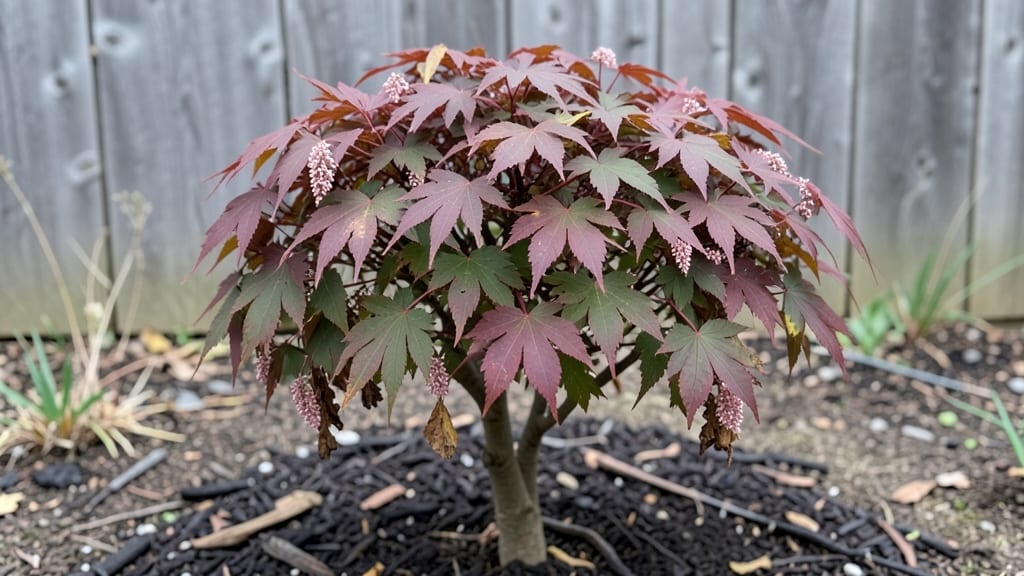
The Red Vein Flowering Maple 🌿 is the showstopper of ornamental trees, with its fiery red veins and delicate blooms stealing every show in spring.
But here’s the catch: those stunning veins fade fast when you get the light or soil wrong. Too much sun bleaches the foliage, while soggy roots invite pests—both mistakes I’ve made (and fixed) after years of trial and error.
This guide cuts through the guesswork with exact care instructions for your USDA 6a zone, from planting in April-May to pruning for year-round drama. No fluff, just the proven steps to keep your maple’s foliage bold and its blooms abundant.
You’ll walk away knowing the one pruning trick that prevents weak branches, how to spot early signs of aphids, and why your soil pH might be the real villain behind dull leaves.
Optimal growing conditions for Red Vein Flowering Maple trees
The Red Vein Flowering Maple thrives when given the right balance of sunlight, soil, and moisture. Unlike its hardy maple cousins, this ornamental beauty needs partial shade to prevent leaf scorch while still receiving enough light for vibrant foliage.
I’ve found that USDA zones 5-8 work best, but microclimates can push these limits with proper care. Let’s break down the essentials to keep your tree flourishing year-round.
First, sunlight exposure is critical. While this tree loves light, it hates intense afternoon sun. Aim for 4-6 hours of morning sunlight with afternoon shade from nearby trees or structures. I’ve planted mine near my east-facing window, where it gets gentle morning rays without the harsh afternoon heat.
Too much direct sun will fade those stunning red veins and cause leaf burn.
Next, let’s talk soil conditions. The Red Vein Flowering Maple prefers well-draining, slightly acidic soil with a pH between 6.0 and 7.0. Heavy clay soils can suffocate roots, while sandy soils may dry out too quickly.
I always amend my native soil with compost and perlite to improve drainage and fertility. A simple soil test kit can help you adjust pH if needed—aim for that sweet spot for maximum vibrancy.
Now, let’s address watering needs. Young trees need consistent moisture—about 1-2 inches per week—while established trees tolerate drought-like conditions once their roots are deep. I water deeply in the morning to prevent fungal issues, then mulch around the base to retain moisture.
Overwatering is just as harmful as underwatering, so always check soil moisture before watering again.
Here’s a quick visual guide to the ideal growing conditions for your Red Vein Flowering Maple:
For gardeners in cooler climates (zones 5-6), winter care is crucial. I’ve wrapped the base of my tree with burlap and mulch to protect roots from freezing temperatures.
In warmer zones (7-8), focus on shade and consistent moisture during heatwaves. The key is mimicking the tree’s natural habitat—think dappled forest light and humus-rich soil.
One common mistake I see is planting these trees in full sun locations. While they tolerate some direct light, the red veins will fade to green if exposed too long.
I’ve even seen cases where leaves develop brown edges from heat stress. If you’re in a hot climate, consider a lightweight shade cloth during peak summer afternoons.
Let’s not forget about seasonal adjustments. In spring, I feed mine with a balanced fertilizer as new growth appears, but I skip fertilization in summer and fall. Over-fertilizing can lead to weak, disease-prone growth.
I also prune lightly in late winter to remove dead branches and shape the tree—this encourages those vibrant new leaves to emerge in spring.
If you’re planting multiple Red Vein Flowering Maples, space them at least 10-15 feet apart to allow for mature growth. I’ve found that grouping them near a patio or walkway creates a stunning visual impact while keeping maintenance manageable.
Just remember: these trees aren’t drought-proof, so consistent watering—especially in their first year—is non-negotiable.
For those in urban environments, air pollution can stress these trees. I’ve had success using foliar sprays with seaweed extract to boost resilience. And if you notice yellowing leaves, it’s often a sign of overwatering
Pruning and seasonal care guide to maximize Red Vein foliage
Your Red Vein Flowering Maple thrives on strategic pruning to maintain its stunning red-veined foliage and encourage seasonal blooms. Unlike many trees, this cultivar responds best to light, frequent pruning rather than heavy annual cuts.
The key is timing—each season offers a unique opportunity to shape growth while preserving the distinctive veins that make this plant so prized.
Start by understanding your tree’s natural growth rhythm. In early spring, focus on removing dead or crossing branches to improve airflow. This is also when you’ll see new growth emerge, making it easier to identify which branches need thinning.
Summer pruning should be minimal—just enough to maintain shape—while late fall is ideal for structural adjustments before dormancy sets in.
Pruning your Red Vein Flowering Maple between mid-July and September can stimulate late-season growth that won’t harden off before frost. This weak growth is more susceptible to winter damage and fungal infections.
If you must prune in summer, do so before July 1st and limit cuts to 20% of the canopy.
For tools, invest in a sharp bypass pruner for clean cuts and sterilized shears to prevent disease spread. Always cut just above a leaf node at a 45-degree angle to encourage faster healing.
If your tree has overgrown branches, use a pruning saw for thicker stems, but never remove more than 1/3 of the canopy in a single session.
Seasonal care extends beyond pruning. In winter, protect young trees from drought stress by applying a 3-inch layer of mulch around the base. This insulates roots while retaining moisture.
Meanwhile, spring fertilization with a balanced 10-10-10 formula kickstarts growth—apply it after the first flush of new leaves appears to avoid burning tender roots.
Monitor your tree for unusual leaf discoloration or stunted blooms, which may signal nutrient deficiencies or pests. Yellowing leaves often indicate overwatering, while crispy edges suggest underwatering.
Adjust your care routine accordingly, and remember: consistency is key. A Red Vein Flowering Maple rewarded with proper seasonal attention will reward you with vibrant foliage and abundant blooms for decades.
Pro tip: Take before-and-after photos each season to track progress. You’ll quickly learn which pruning techniques work best for your specific tree’s growth pattern. With patience and precision, your Red Vein Flowering Maple will become the showstopper of your landscape.