
Blooming
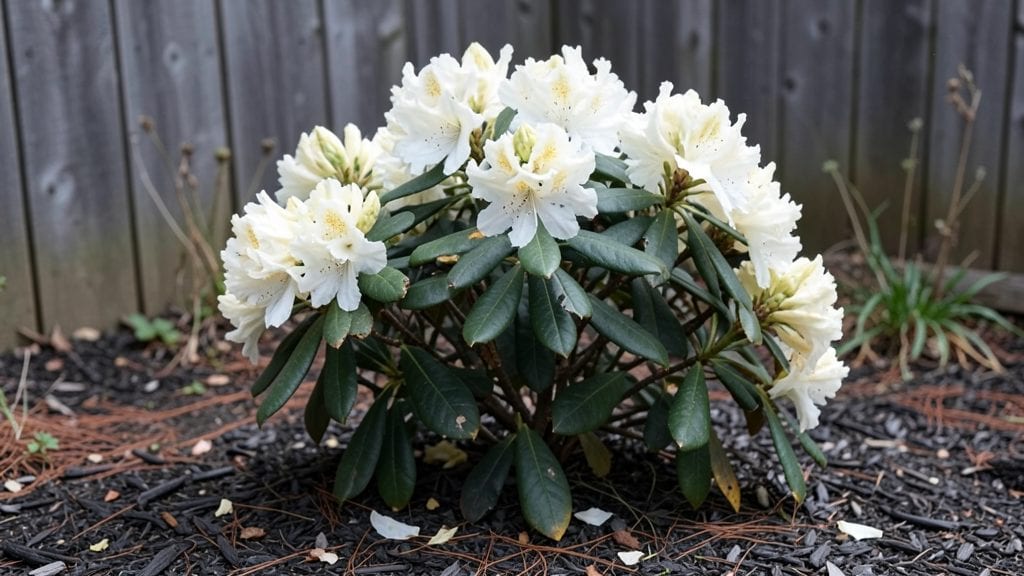
Understanding what kickstarts these blooms helps gardeners predict—and even influence—their timing.
Rhododendrons rely on a mix of temperature shifts and daylight changes, with cooler winter nights (especially those 600-1,200 hours below 45°F) acting as a natural cue. 🌸 For example, northern gardens might see bursts of color in late May, while southern zones could enjoy early June displays, depending on how quickly the plant transitions from dormancy to growth.
Some varieties even defy the norm: early bloomers like 'PJM' can appear as soon as May, while late-season types like 'Catawbiense' stretch the show into June. The key? Proper soil acidity (pH 4.5-6.0) and consistent moisture—both of which can nudge blooms to last longer if timed right.
💡 In This Article
- Climate Factors That Trigger Rhododendron Blooms
- Best Rhododendron Varieties for Extended Flower Seasons
Climate factors that trigger rhododendron blooms
Rhododendrons rely on a precise biological trigger called vernalization, where cold winter temperatures break dormancy and initiate flower bud formation. These plants need 600-1,200 hours of temperatures below 45°F—a process called chilling requirement—before they'll bloom.
Without sufficient cold exposure, buds may fail to develop or produce sparse flowers. Think of it like a biological countdown: the more consistent the cold, the stronger the signal for spring growth. 🌡️
The timing of temperature fluctuations matters just as much as the cold itself. Rhododendrons respond to day-length changes too—longer daylight hours in spring stimulate hormone production that turns dormant buds into vibrant blooms.
In the Pacific Northwest, where winters are wet and cool, rhododendrons often bloom 2-3 weeks earlier than in the Southeast, where milder winters delay the chilling process.
For example, a 'Nova Zembla' variety might burst into color by early May in Portland, Oregon, but wait until late May in Atlanta, Georgia.
Daylight exposure plays a hidden role too. Rhododendrons thrive in partial shade, which means they receive 50-70% sunlight—enough to fuel photosynthesis but not enough to stress the plant.
Too much direct sun can cause buds to dry out before blooming, while too little shade may weaken the plant's energy reserves. The ideal balance creates a sweet spot where the plant has enough stored energy to support both foliage and flowers.
This is why rhododendrons in shaded forest edges often outperform those in full sun. 🌿
Regional variations create dramatic differences in bloom windows. In the Southeast, where winters are shorter, rhododendrons like 'Elf' may bloom as early as mid-April, while in the Northeast, varieties such as 'Roseum Elegans' typically wait until late May.
Even within a single state, elevation matters—mountain gardens at 3,000 feet often see earlier blooms than valley floors due to cooler nighttime temperatures. This is why gardeners in the Appalachians might enjoy a 6-week bloom season, while those in the Mississippi Delta see a more condensed 3-week display.
Here's what happens under the surface: When temperatures rise above 50°F in spring, rhododendrons begin converting stored starches into sugars, fueling rapid cell division in flower buds. The plant's phytochrome pigments detect increasing daylight, triggering a cascade of hormones like gibberellins that elongate flower stems.
Without proper chilling, this process stalls—buds may swell but never open, a condition called bud blast. This is why some gardeners in warm climates use artificial chilling (like refrigeration) to coax blooms from stubborn varieties. 🌸
One surprising factor? Rainfall patterns before blooming. Rhododendrons need consistent moisture during bud formation—drought stress can cause buds to abort. In the Pacific Northwest, where spring rains are abundant, blooms are often more prolific than in the arid Southwest, where supplemental watering becomes critical.
Even soil temperature matters: roots prefer 55-65°F soil to support nutrient uptake, which directly impacts flower quality. This is why mulching with pine needles or bark helps regulate soil temps and extend bloom duration.
The takeaway? Timing is everything. By understanding these climate triggers—chilling hours, daylight exposure, and soil moisture—you can predict bloom windows with remarkable accuracy. For gardeners, this means choosing varieties that match your local climate or adjusting care practices (like winter watering) to meet chilling requirements.
With the right conditions, a single rhododendron can transform your landscape from a winter sleep into a spring spectacle. ✨