
Pruning
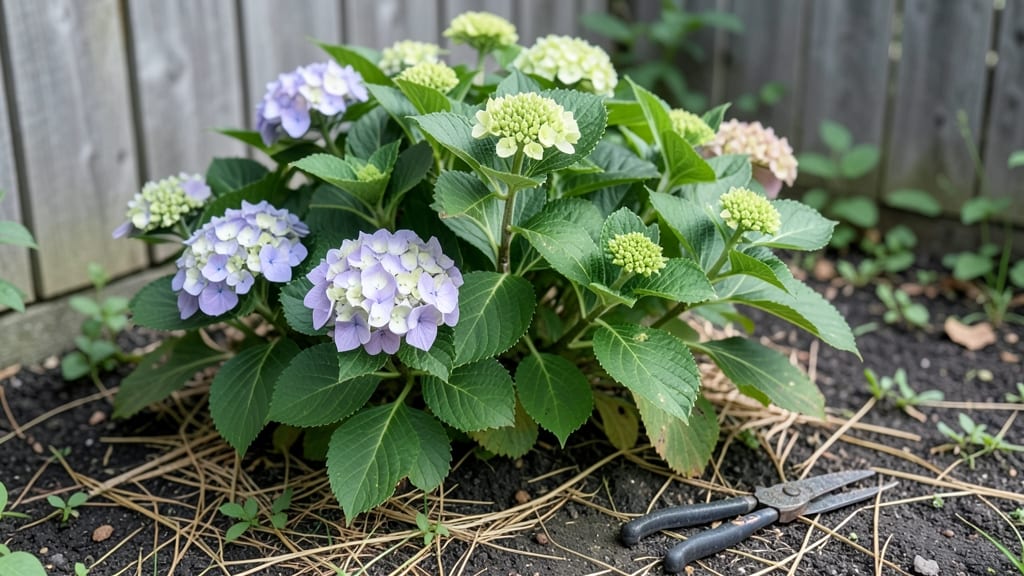
Deadheading hydrangea flowers is essential for encouraging new blooms, but timing depends on the variety—remove spent blooms from summer-blooming types (like panicle or smooth hydrangeas) to promote fall reblooming, while leaving seed heads on late-blooming varieties (like bigleaf) supports next year’s flowers and winter interest.
Understanding your hydrangea’s blooming habit is key—summer-flowering varieties like panicle or smooth hydrangeas thrive when you trim faded blooms to encourage a second flush of flowers in late summer or fall. 🌸 For late-bloomers such as bigleaf hydrangeas, leaving the seed heads intact not only preserves next year’s buds but also adds striking winter texture to your garden.
The difference comes down to how each variety stores energy: early bloomers rely on new growth, while late bloomers depend on buds formed the previous season.
💡 In This Article
- How Deadheading Affects Hydrangea Growth and Bloom Cycles
- Step-by-Step Deadheading Guide for Different Hydrangea Types
How deadheading affects hydrangea growth and bloom cycles
When you remove spent blooms from hydrangeas, you're essentially redirecting the plant's energy from seed production to new growth. This works because hydrangeas produce two key hormones during flowering: auxins (which promote root and stem growth) and ethylene (which triggers seed development).
Removing faded flowers reduces ethylene production, allowing auxins to stimulate fresh shoots and buds. For summer-blooming varieties like panicle hydrangeas (Hydrangea paniculata), this process can extend the blooming season by encouraging a second flush of flowers in late summer or fall.
The difference between reblooming and seasonal varieties comes down to bud formation timing. Summer-bloomers like smooth hydrangeas (Hydrangea arborescens) form buds on new growth, so deadheading spent blooms after the first flush (typically in early summer) gives the plant time to develop new flower buds.
In contrast, late-blooming bigleaf hydrangeas (Hydrangea macrophylla) set buds in late summer for next year's flowers, so removing old blooms would eliminate these future blooms. The plant's energy storage mechanism shifts from immediate growth to long-term bud preservation.
Here's what happens at the cellular level: When you deadhead, you're essentially trimming the plant's apical meristems (growth points). This triggers a hormonal cascade where cytokinins (another growth hormone) become more dominant, promoting lateral bud growth. In reblooming varieties, this results in new flower stems emerging from the leaf axils.
The process is similar to how gardeners encourage bushier growth in other plants by pinching back tips—it's all about redirecting the plant's energy toward more productive growth patterns. 🌱
Temperature plays a crucial role in this process. For panicle hydrangeas, deadheading should occur when daytime temperatures are consistently above 65°F—this warmth signals the plant to shift from dormancy to active growth.
The plant's response time varies by variety: smooth hydrangeas may show new growth in as little as 2-3 weeks, while panicle types might take 4-6 weeks to respond.
This delayed response in panicle types explains why many gardeners wait until early summer to deadhead, giving the plant ample time to develop new blooms before fall.
For late-blooming varieties, leaving seed heads serves another important function: they act as natural mulch, protecting the plant's crown during winter. The dried flower heads also provide winter interest and habitat for beneficial insects.
What most gardeners don't realize is that these seed heads contain up to 30% of the plant's energy reserves for next year's growth. Removing them prematurely can weaken the plant, especially in colder climates where energy storage is critical for survival.
The science of hydrangea blooming reveals an interesting paradox: while deadheading stimulates growth in some varieties, it can actually reduce next year's blooms in others. This is why proper identification is crucial.
For example, oakleaf hydrangeas (Hydrangea quercifolia) typically bloom on old wood but can produce some new growth blooms—here, selective deadheading of only the most spent flowers is recommended to preserve both this year's and next year's blooms.
The key is understanding whether your specific hydrangea is a new wood bloomer (like panicle types) or an old wood bloomer (like bigleaf types).
What this all means for gardeners is that deadheading isn't a one-size-fits-all practice. The timing and technique must match your specific hydrangea variety and your local climate. For reblooming types, think of deadheading as a seasonal reset button that gives your plant a second chance to shine.
For late bloomers, it's about making intentional choices that balance immediate aesthetics with long-term plant health. The right approach can transform your hydrangeas from one-season wonders into year-round garden stars. ✨