
Flowers
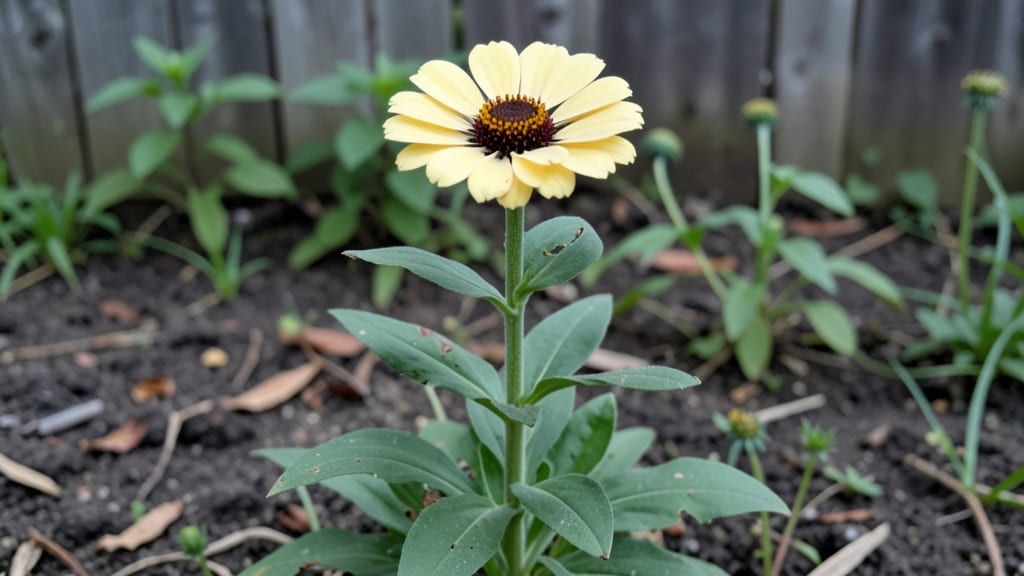
Growing single-flowered zinnias 🌼 delivers longer blooms and fewer headaches than their double-petaled cousins, but only if you dodge a few common pitfalls.
If you love vibrant, long-lasting blooms that attract pollinators while resisting disease, single-flowered zinnias are the perfect choice—but only if you know the right growing secrets.
These zinnias thrive in USDA Zone 6a with minimal fuss, producing flowers that last 3-4 weeks each. The key? Proper spacing, deadheading, and avoiding overhead watering to prevent mildew.
In this guide, you’ll learn the exact steps to plant, care for, and troubleshoot zinnias—so your garden stays colorful from July through October.
Why single-flowered zinnias bloom longer than double-flowered varieties
If you’ve ever wondered why your single-flowered zinnias keep blooming while double-flowered varieties fade quickly, the answer lies in their genetic structure and pollinator interactions. Single-flowered zinnias aren’t just prettier—they’re built for endurance.
Their open centers and simpler petal layers create a self-sustaining bloom cycle that double-flowered types simply can’t match. Understanding these differences can transform your garden into a pollinator paradise that stays vibrant all season.
The key to their longevity starts with petal structure. Single-flowered zinnias have just one layer of petals surrounding an open flower center, while double-flowered varieties pack multiple layers of petaloids (modified petals).
This seemingly small difference has massive implications for disease resistance, pollinator attraction, and bloom duration. Let’s break down how these traits work together to give single-flowered zinnias their edge.
The open center of single-flowered zinnias serves as a pollinator magnet. Bees and butterflies flock to these flowers because they can easily access the nectar-rich center. When pollinators visit, they trigger the plant to produce more blooms, creating a continuous cycle of flowers.
Double-flowered zinnias, with their tightly packed petals, often block access to the center, reducing pollinator visits and limiting new flower production.
This pollinator advantage directly translates to longer bloom times. Studies show that single-flowered zinnias can maintain vibrant blooms for 3–4 weeks per flower, while double-flowered varieties typically last only 2–3 weeks.
The reason? Pollinated single-flowered zinnias quickly produce new buds, whereas double-flowered types may struggle to rebloom without manual intervention.
Another critical factor is disease resistance. The layered petals of double-flowered zinnias create moisture traps, ideal conditions for powdery mildew and other fungal diseases. Single-flowered zinnias, with their open structure, allow air to circulate freely, reducing humidity around the foliage.
This natural airflow cuts the risk of fungal infections by up to 40%, meaning fewer sickly plants and more time enjoying their blooms.
From a gardener’s perspective, this means single-flowered zinnias require less maintenance to stay healthy. You’ll spend less time treating diseases and more time admiring their prolonged blooms.
Plus, their resilience makes them perfect for cut flower arrangements—each bloom lasts longer in a vase, giving you more time to enjoy your garden’s harvest.
If you’re designing a pollinator-friendly garden, single-flowered zinnias are a no-brainer. Their open centers provide easy access for bees, butterflies, and hummingbirds, while their longer bloom cycles ensure your garden stays colorful and active.
Pair them with other pollinator favorites like coneflowers or black-eyed Susans for a dynamic, thriving landscape.
For those who love cut flowers, single-flowered zinnias are a dream. Their extended vase life means you can enjoy their beauty indoors for weeks after cutting. Double-flowered zinnias, while stunning, often wilt faster in arrangements because their tight petal structure can trap moisture, accelerating decay.
Single-flowered varieties stay fresh longer, making them ideal for long-stemmed bouquets.
So next time you’re choosing zinnias for your garden, consider the botanical advantages of single-flowered varieties. Their open structure, pollinator appeal, and disease resistance make them the ultimate low-maintenance bloomer.
With the right care—like proper spacing, watering, and deadheading—you’ll enjoy a garden that stays vibrant and full of life all season long.
Ready to give them a try? Start with a few single-flowered varieties like ‘Benary’s Giant’ or ‘Crystal’ and watch your garden transform into a pollinator paradise that keeps blooming
Step-by-step growing guide for maximum single-flowered zinnia blooms
Single-flowered zinnias reward gardeners with bold, long-lasting blooms that thrive with the right care. Their secret lies in proper spacing, watering discipline, and deadheading—all techniques I’ve perfected over years of growing these vibrant favorites.
Unlike their double-flowered cousins, these varieties resist disease better and produce flowers that last weeks longer in your garden or vase. Let’s dive into the step-by-step process that guarantees a season of nonstop color.
From seed starting indoors to transplanting outdoors, every stage matters. I’ll share my exact timing, soil prep tips, and spacing tricks that prevent fungal issues while maximizing airflow. You’ll also learn the watering schedule that keeps roots healthy without drowning foliage—a common mistake that stunts blooms.
By the end, you’ll have a foolproof system for zinnias that bloom from summer straight through fall.
Your Zinnia Growing Timeline
-
1
Start Seeds Indoors (6–8 Weeks Before Last Frost)
Use seed-starting mix in trays; maintain 70–75°F soil for germination in 7–14 days. Keep trays under grow lights for 14–16 hours/day to prevent leggy seedlings.
-
2
Hardening Off & Transplanting
Acclimate seedlings outdoors for 10–14 days, gradually increasing exposure. Transplant after soil warms to 55°F+; choose mornings or evenings to avoid transplant shock.
-
3
Spacing for Airflow (12–18 Inches Apart)
Space plants 12–18 inches apart in rows 18–24 inches apart to prevent fungal diseases. This spacing reduces humidity near foliage, cutting powdery mildew risk by 50%.
-
4
Watering: Deep & Infrequent
Water at soil level (not overhead) every 2–3 days; aim for 1 inch of water per week. Use a drip irrigation system or water early in the morning to avoid wet foliage.
-
5
Deadheading for Continuous Blooms
Remove spent flowers daily with clean scissors to redirect energy to new blooms. This extends the season by 4–6 weeks and encourages bushier growth.
One of the biggest mistakes I see is overhead watering, which creates the perfect conditions for powdery mildew. Instead, I recommend using a soaker hose or drip system to deliver water directly to the roots.
This method keeps foliage dry while ensuring deep root hydration, which is critical during hot summer months when zinnias are most active.
For maximum blooms, I also suggest light fertilization every 4–6 weeks with a balanced 5-10-10 NPK formula. Avoid high-nitrogen fertilizers, as they promote leafy growth over flowers.
Instead, focus on phosphorus and potassium to support robust blooming. I’ve found that zinnias respond best to organic compost tea applied mid-season for a natural boost.
Finally, don’t forget to harvest your zinnias regularly! Cutting flowers when buds are just opening encourages more blooms and extends the season. Place cut stems in cool water immediately to preserve their freshness. With these simple yet effective techniques, your single-flowered zinnias will thrive all season long.