
Flowers
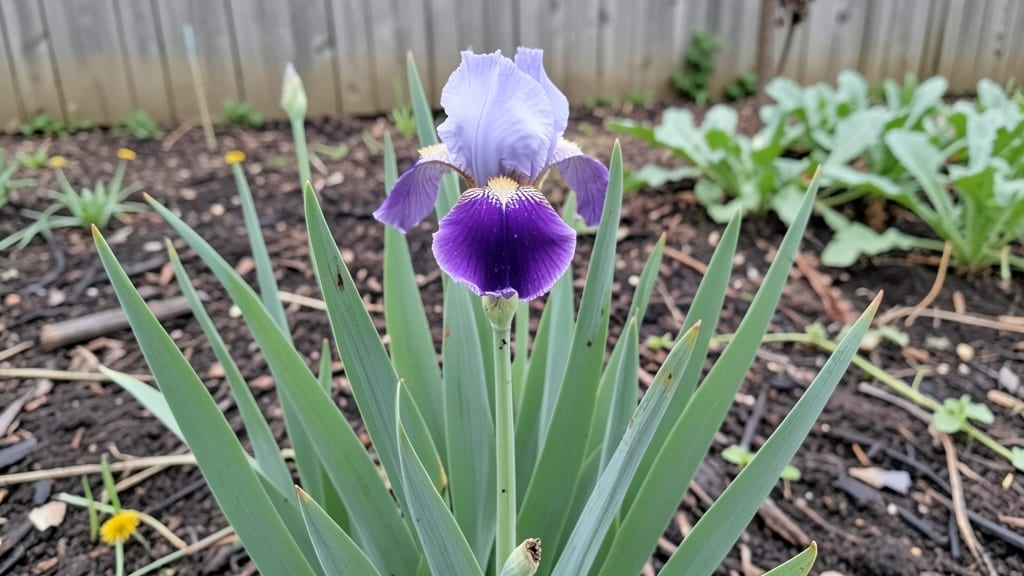
Growing a small iris flower 🌸 is easier than you think, especially when you choose the right compact varieties for your garden.
If you love the elegant beauty of irises but struggle with limited space or shady garden spots, small iris varieties are your perfect solution—vibrant, low-maintenance, and thriving where others fail.
These tiny powerhouses pack all the charm of their larger cousins into a fraction of the space, making them ideal for containers, borders, or even tucked between stepping stones. With the right care, you’ll have blooms in just two years, and they’ll keep coming back stronger each season.
Here’s everything you need to know to plant, grow, and maintain these stunning small irises—from soil prep to fast-blooming varieties that shine even in partial shade.
Top 5 fast-growing small iris varieties for shade gardens
If your garden has shady corners or limited space, don't despair—small iris varieties can still bring stunning color and texture. These compact beauties thrive in low-light conditions while delivering quick blooms and minimal maintenance.
Unlike their taller cousins, these shade-loving irises stay under 12 inches tall and multiply effortlessly, making them perfect for borders, containers, or woodland gardens.
I’ve selected the top 5 fast-growing small iris varieties that excel in partial to full shade. Each offers unique bloom colors, growth habits, and seasonal interest, ensuring your shade garden stays vibrant year-round.
Whether you’re a beginner or a seasoned gardener, these irises will reward you with early spring blooms and low-maintenance charm.
Comparison table below highlights their key traits—height, bloom time, shade tolerance, and growth speed—so you can choose the best fit for your garden’s conditions.
Iris reticulata is my top pick for fastest blooms—it often flowers in its first year and thrives in full shade, making it ideal for north-facing gardens or under trees. Its delicate, star-shaped blooms in shades of purple, white, and yellow appear as early as February or March, depending on your climate. Plant bulbs in fall for a head start, and watch them multiply over time.
For late winter color, Iris histrioides (also called the "dwarf iris") is a compact powerhouse. Its tiny but bold blooms in blue, purple, or white emerge before most spring bulbs, adding a pop of color when gardens are still dormant.
This variety tolerates partial shade and spreads slowly, making it perfect for rock gardens or crevice plantings where space is tight.
Iris pumila, or the "dwarf iris," is a ground-cover dream for shady spots. It forms dense clumps of grass-like foliage with tiny purple or white flowers in spring. Unlike other irises, it thrives in dry shade and even tolerates occasional foot traffic, making it ideal for pathway edges or container gardens. Divide clumps every 3–4 years to keep them vigorous.
If you prefer summer blooms, Iris graminea (the "grass iris") is a long-flowering option with delicate, grass-like foliage and soft purple or white blooms from June to August. It’s slightly taller but still shade-tolerant and spreads slowly, making it a great border plant. Pair it with
How to plant and care for small irises in shady spots
Small iris varieties like Iris reticulata and Iris pumila are perfect for shady gardens, offering stunning blooms with minimal fuss. Unlike their sun-loving cousins, these compact beauties thrive in partial or full shade, making them ideal for woodland gardens, under trees, or north-facing beds.
Their low-maintenance nature and clumping growth habit also save space, perfect for containers or tight borders.
When planting in shade, focus on well-draining soil and proper spacing to prevent fungal issues. These irises prefer loamy soil with organic matter, but they’ll tolerate clay if amended with compost.
Avoid soggy spots—poor drainage is their biggest enemy, especially in shady, humid conditions where air circulation is limited.
Small iris rhizomes rot quickly in soggy soil. Even in shade, they need well-draining soil—amend heavy clay with perlite or sand (1 part to 3 parts soil). After planting, water sparingly for 2 weeks to let roots establish before returning to a drought-tolerant schedule.
Start by planting rhizomes in early spring or fall, when soil temps are cool. Dig holes twice as wide as the rhizome but only 2 inches deep, with the top half exposed to prevent rot.
Space them 6–12 inches apart—closer for borders, wider for woodland gardens. Mulch lightly with pine needles or shredded bark to retain moisture without suffocating roots.
Watering is critical in shade—deep but infrequent sessions prevent fungal diseases. Aim for 1 inch of water weekly, delivered in the morning to let foliage dry before evening.
Reduce watering in late summer as irises enter dormancy, and avoid wetting leaves to prevent leaf spot, a common shade garden issue.
Feed small irises once in early spring with a balanced 10-10-10 fertilizer, sprinkled around the base (not touching rhizomes). Skip summer feeding—they’re dormant by July.
Deadhead spent blooms to encourage reblooming, but leave seed pods if you want natural propagation. Divide clumps every 3–4 years in early spring to prevent overcrowding.
Watch for slugs and iris borers in shady, damp spots. Handpick slugs at night or use copper barriers, and treat borers with neem oil if you spot chewed leaves.
With proper care, your small irises will reward you with months of blooms—often from late winter to early spring—long before other shade plants wake up.