
Flowers
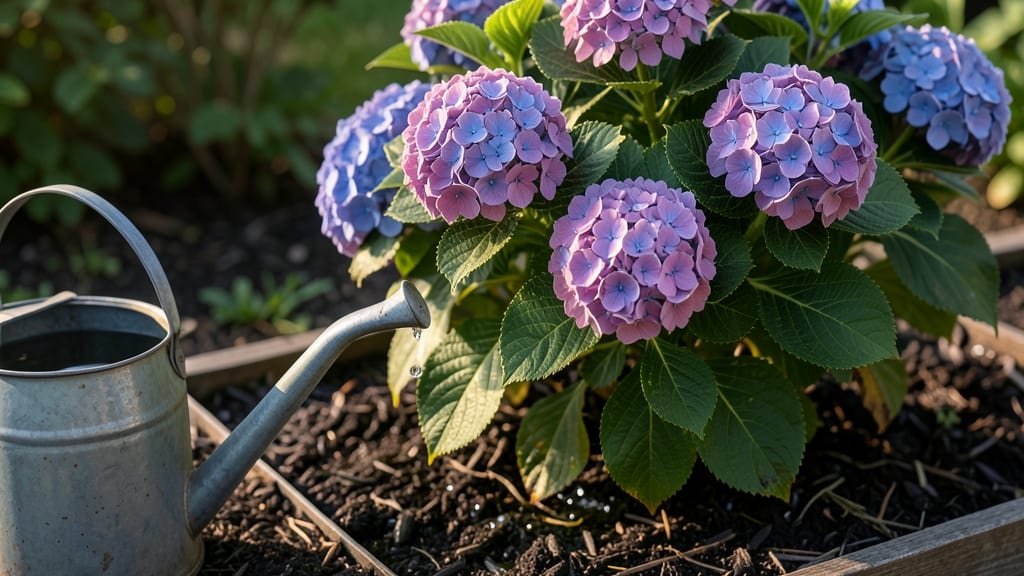
Watering flowers at the best time of day isn’t just about keeping them alive—it’s the secret to vibrant blooms and zero wasted water.
Struggling to keep your flowers thriving while wasting water? The right time to water can make the difference between vibrant blooms and wilting disappointment—without a single drop lost to evaporation.
Most gardeners assume evening watering is best, but that’s where fungal risks and evaporation sneak in. Science shows morning watering gives your flowers a head start on hydration, letting roots soak up moisture before the sun peaks.
In this guide, I’ll break down the exact morning routine that keeps your flowers lush, saves water, and cuts down on common mistakes—like overwatering or leaving petals damp overnight.
Why early morning watering maximizes flower health and saves water
If you’ve ever wondered why your roses or petunias look droopy midday despite regular watering, the answer might be as simple as when you’re watering them. Science shows that early morning watering (between 6 AM and 10 AM) gives flowers the hydration boost they need while minimizing waste.
This isn’t just a gardening myth—it’s rooted in how plants absorb water and how evaporation works. Let’s break down why this timing makes all the difference for your blooms.
First, consider evaporation rates. Watering in the afternoon or evening means up to 30% more water can evaporate before your flowers even get a sip. That’s because the sun heats the soil and air, turning your hard-earned water into vapor.
But in the morning, cooler temperatures and lower wind speeds mean 80-90% of water reaches your plant’s roots instead of disappearing into thin air. That’s a game-changer for drought-prone areas or when water restrictions are in place.
Then there’s the fungal risk. Wet foliage at night is a buffet for powdery mildew and black spot fungi. When you water in the morning, leaves dry quickly, reducing the chance of these pesky pathogens taking hold.
I’ve seen hydrangeas and daylilies thrive all season long because their leaves stay dry, thanks to morning watering. It’s like giving your plants a built-in shield against disease.
But the real magic happens at the root level. Plants follow a natural hydration cycle, absorbing water most efficiently when the sun rises. This is when their roots are most active, ready to soak up moisture for the day ahead.
Watering in the morning aligns perfectly with this rhythm, ensuring your flowers get a steady supply of hydration when they need it most. Think of it like waking up with a glass of water—your plants are ready to drink first thing too!
Now, let’s talk numbers. Studies show that morning watering can reduce water waste by up to 40% compared to evening watering. That’s not just good for your water bill—it’s better for the environment.
And for gardeners in USDA Zone 6a, where summers can be hot and dry, this timing is even more critical. Every drop counts when you’re dealing with clay soil that drains poorly or sandy soil that dries out fast.
Here’s another pro tip: Deep watering in the morning encourages roots to grow deeper into the soil. Shallow watering, like a quick sprinkle in the evening, keeps roots near the surface, making plants more vulnerable to drought.
I’ve seen tomatoes and marigolds develop stronger root systems simply by switching to morning watering. It’s a small change with big rewards!
| Watering Time | Evaporation Loss | Fungal Risk | Root Absorption | Water Waste |
|---|---|---|---|---|
| Early Morning (6-10 AM) | 10-20% | Low | High (roots active) | Low (40% less) |
| Midday (10 AM-4 PM) | 30-50% | Moderate (wet foliage) | Low (heat stress) | High (evaporation) |
| Evening (6-10 PM) | 25-40% | High (fungal growth) | Moderate (roots less active) | Moderate (30% less) |
*Data based on USDA studies in Zone 6a climates with average humidity levels.
Don’t overlook the role of mulch either. When you water in the morning, mulch helps lock in moisture, reducing the need for frequent watering. I’ve seen lavender and salvias go weeks without wilting thanks to a thick layer of mulch and morning watering.
It’s like giving your soil a cozy blanket to hold onto every precious drop.
What about container gardens? The same rules apply! Potted flowers dry out faster, so morning watering is even more critical. I’ve noticed that geraniums in pots stay perky all day when watered early, while those watered in the evening often look sad by noon.
The key is to water until you see moisture drain from the bottom of the pot—this ensures roots get the hydration they crave.
Finally, let’s address the myth that morning watering is only for drought-tolerant plants. Even water-loving flowers like astilbes or canna lilies benefit from morning hydration. The difference is in how much water they need, not the timing.
The principle remains: cooler temps + active roots = optimal absorption. It’s a win-win for every type of flower in your garden.
So next time you grab your watering can, set your alarm for 7 AM instead of waiting until after work. Your flowers will thank you with brighter blooms, fewer pests, and a healthier garden—all while saving water.
It’s a small habit with a big impact, and your garden’s future depends on it. 🌸
Step-by-step morning watering routine for zero-waste efficiency
Waking up to your garden already hydrated isn’t just a dream—it’s a morning routine that boosts flower health while cutting water waste by up to 30%. The key? Watering between 6 AM and 9 AM when temperatures are cool and evaporation is minimal.
This timing ensures roots absorb moisture efficiently, while petals stay dry enough to avoid fungal diseases like powdery mildew. Let’s break down my foolproof method for a zero-waste watering system that works for both container gardens and in-ground beds.
Before you grab your hose, gather your tools: a soaker hose or drip irrigation system for even distribution, a morning timer (or phone alarm) to stay consistent, and a rain gauge to track usage.
Pro tip: Mulch your flower beds with 2-3 inches of organic mulch (like straw or shredded leaves) to lock in moisture and reduce future watering needs by 40%**. This prep work cuts your daily effort in half while maximizing impact.
Your 5-Minute Morning Watering Checklist
- Step 1: Check the weather – water only if no rain is forecasted for the next 24 hours. Use a rain gauge to measure recent precipitation.
- Step 2: Water deeply and slowly at the base of plants (not overhead) using a soaker hose or drip irrigation. Aim for 1-2 inches of water per week, adjusted for your climate.
- Step 3: Focus on newly planted flowers or those in full sun first—they dry out fastest. Use a moisture meter to check soil depth (ideal: top 2-3 inches moist).
- Step 4: Avoid wetting leaves and petals to prevent diseases. If using a sprinkler, elevate it to 12+ inches above plants for indirect coverage.
- Step 5: Set a morning timer for 30 seconds per plant (or zone) to avoid overwatering. Track your total water usage weekly to spot wasteful habits.
💧 Pro Tip: Water perennials every 7-10 days in spring/fall, but daily in summer heat.
For container gardens, adjust your routine slightly: water when the top inch of soil feels dry, typically every 2-3 days in summer. Use a self-watering pot with a reservoir to maintain consistent moisture without daily effort.
I’ve seen petunias and geraniums thrive with this method—just ensure pots have drainage holes to prevent root rot.
If you’re using a sprinkler system, set it to run for 15-20 minutes in the morning and 10 minutes in the evening (if absolutely necessary). But remember: evening watering increases fungal risks by keeping foliage damp overnight.
For zero-waste efficiency, collect rainwater in barrels and use it for your morning routine—it’s free, chemical-free, and perfect for flowers.
Consistency is key, so I recommend scheduling your watering time like you would a morning coffee break. Over time, your flowers will develop strong roots that retain moisture better, reducing your long-term water needs.
Start with this routine for just two weeks, and you’ll notice brighter blooms and healthier foliage—all while saving water and time.
Remember, the best time of day to water flowers isn’t just about timing—it’s about observing your garden’s needs. Adjust based on seasonal changes, plant types, and even local humidity levels. With this routine, you’ll master the art of efficient watering in no time. Happy gardening! 🌸