
Blooming
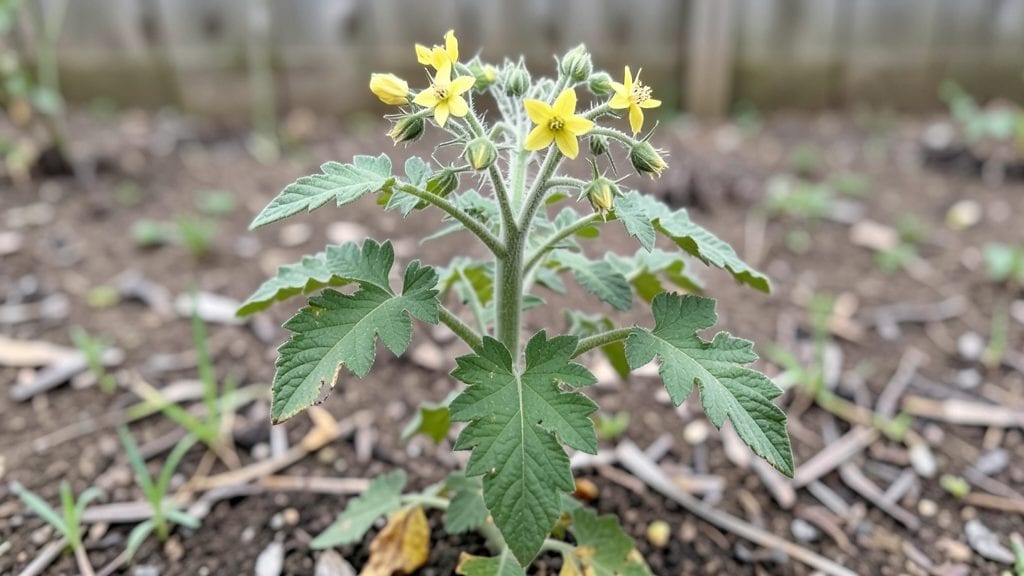
When small tomato plants start flowering, that first bloom signals the beginning of your harvest—but it’s also where many gardeners accidentally derail their yield. 🌱 I’ve watched tiny yellow flowers turn into green fruit one minute, then drop off the next, and I’ll tell you exactly how to stop that from happening.
The problem usually boils down to three things: not enough pollination, overcrowded plants stressing out, or nutrients getting siphoned away from fruit development. Most gardeners focus on the flowers but forget the roots—literally. A simple pruning session and a balanced fertilizer can double your fruit set overnight.
By the time those first blossoms fade, you’ll have sturdy stems supporting heavy tomatoes instead of sad, empty vines. The key is acting fast: within 7-10 days of flowering, you’ll see the difference between a struggling plant and one loaded with potential. Here’s how to make it happen.
This works for both determinate (bush) and indeterminate (vining) varieties, though the timing tweaks slightly. Whether you’re dealing with a single pot or a full garden bed, the same principles apply—no fancy equipment needed.
Why Flowers Aren’t Turning Into Fruit
When your small tomato plants are flowering but not producing fruit—or only tiny, underdeveloped ones—it’s usually a sign that something is disrupting the plant’s natural fruiting process. Understanding the root causes helps you take corrective action quickly.
Below are the most common reasons why your tomato flowers aren’t maturing into full-sized fruit, along with the science behind them.
###
🌡️ Temperature Stress: Too Hot or Too Cold
Tomatoes are warm-season plants, and their flowering-to-fruiting process is highly sensitive to temperature fluctuations. If daytime temps exceed 90°F (32°C) or drop below 55°F (13°C), pollen production and fertilization can fail entirely.
- High Heat: Above 90°F, pollen grains become sterile and unable to fertilize the ovules. This is called pollen abortion, and even if flowers open, they’ll drop off without setting fruit.
- Cool Nights: Below 55°F, pollen tubes (which carry sperm cells to the ovule) grow too slowly or fail to reach the ovary, preventing fertilization.
- Actionable Fix:
- Provide afternoon shade (e.g., shade cloth) during heatwaves.
- Use row covers or mulch to moderate soil temps.
- Choose heat-tolerant varieties like Solar Fire or Heatmaster for hot climates.
###
💧 Watering Issues: Too Much or Too Little
Water stress—whether from drought or overwatering—directly impacts flower development and fruit set. Tomatoes need consistent moisture, especially during flowering, to support pollen viability and ovary growth.
- Underwatering: Dry soil causes pollen to become desiccated (dried out) before it can fertilize. Flowers may form but drop off, or fruit may remain tiny and deformed.
- Overwatering: Poor drainage leads to root rot, starving the plant of nutrients and hormones (like ethylene) needed for fruit development.
- Actionable Fix:
- Water deeply 1–2 inches per week, ensuring soil stays moist but not soggy.
- Use drip irrigation to deliver water directly to roots, avoiding wetting foliage (which promotes disease).
- Mulch with straw or grass clippings to retain moisture and regulate soil temp.
###
🌱 Nutrient Imbalances: Missing Key Elements
Tomatoes are heavy feeders, and deficiencies in specific nutrients can stunt flower-to-fruit transition. The most critical nutrients for fruiting are phosphorus, potassium, and calcium, but even minor imbalances can derail the process.
| Nutrient | Symptom of Deficiency | Solution |
|---|---|---|
| Phosphorus (P) | Purple or dark green leaves; weak stems; small, slow-growing fruit. | Apply bone meal or a balanced fertilizer (e.g., 5-10-10) at planting and during flowering. |
| Potassium (K) | Yellowing leaf edges; weak stems; blossom end rot (even with calcium). | Use greensand, wood ash, or a potassium-rich fertilizer (e.g., 0-10-10). |
| Calcium (Ca) | Blossom end rot (brown, leathery spots on fruit); stunted growth. | Apply crushed eggshells, lime, or calcium nitrate. Ensure even watering to prevent uptake issues. |
| Nitrogen (N) | Lush green leaves but no flowers (too much N delays flowering). | Reduce high-nitrogen fertilizers (e.g., urea) during flowering; switch to a low-N, high-P/K blend. |
Pro Tip: 💡 Conduct a soil test to identify specific deficiencies before amending. Over-fertilizing can also cause problems!
###
🌬️ Poor Pollination: Nature’s Missed Connections
Tomatoes are self-pollinating, but they rely on wind, bees, or gentle shaking to transfer pollen from the anthers (male part) to the stigma (female part). If pollination fails, flowers drop off or produce seedless, undeveloped fruit.
- Indoor/Greenhouse Growing: Lack of airflow or pollinators means pollen isn’t transferred efficiently.
- Humidity Issues: High humidity can cause pollen to clump and fail to disperse.
- Actionable Fix:
- 👨🍳 Hand-Pollinate: Gently shake plants or use a small brush to transfer pollen between flowers.
- 🐝 Attract pollinators by planting companion flowers like basil or marigolds nearby.
- 🌡️ Ensure good airflow (prune crowded foliage) to improve pollen distribution.
###
🧬 Hormonal Imbalances: Stress Signals Gone Wrong
Tomatoes produce hormones like ethylene and auxin, which regulate fruit development. Stress from transplant shock, pruning, or disease can disrupt these hormones, causing flowers to abort or fruit to stay small.
- Transplant Shock: Damaged roots reduce the plant’s ability to absorb water and nutrients, stalling hormone production.
- Over-Pruning: Removing too many leaves or suckers reduces the plant’s energy for fruit development.
- Disease Stress: Fungal or bacterial infections (e.g., early blight) divert the plant’s resources away from fruiting.
- Actionable Fix:
- 🌱 Harden off seedlings gradually before transplanting to minimize shock.
- ✂️ Prune strategically: Remove only diseased or overly crowded growth; leave 3–5 main stems for best yield.
- 🛡️ Treat diseases early with copper fungicide or neem oil to reduce stress.
By addressing these common causes, you’ll give your small tomato plants the best chance to transition from flowers to plump, juicy fruit. The key is consistency—whether it’s temperature, water, nutrients, or pollination. Next up, we’ll dive into actionable solutions to turn those blooms into a bountiful harvest! 🍅🔥
How to Revitalize Your Tomato Plants
Now that you understand why your small tomato plants might be struggling to thrive despite flowering, it’s time to take action! With the right adjustments, you can help your plants grow stronger, produce more fruit, and yield a bountiful harvest.
Below are practical, step-by-step solutions tailored to common causes—plus prevention tips to keep your plants healthy long-term.
🌱 Fix Weak or Stunted Growth
If your tomato plants are small but flowering, they may lack the energy to support fruit development. Here’s how to boost their growth:
🔥 Increase Sunlight Exposure
Tomatoes thrive in 6–8 hours of direct sunlight daily. If your plants are shaded:
- Move containers to a sunnier spot (south-facing is ideal in the Northern Hemisphere).
- Prune nearby trees or structures blocking sunlight.
- Use reflective surfaces (like white walls or mirrors) to bounce extra light onto plants.
🍳 Optimize Watering Practices
Overwatering or inconsistent moisture can stunt growth. Follow these steps:
- Water deeply but infrequently—aim for 1–1.5 inches per week, letting soil dry slightly between waterings.
- Use drip irrigation or soaker hoses to deliver water directly to roots (avoid wetting leaves to prevent disease).
- Check soil moisture by sticking your finger 1–2 inches deep; if dry, it’s time to water.
👨🍳 Feed with the Right Fertilizer
Weak plants need balanced nutrients, especially phosphorus (P) and potassium (K) for flowering and fruiting.
- Switch to a high-phosphorus fertilizer (like 5-10-10) when flowers appear.
- Add compost or worm castings to the soil for slow-release nutrients.
- Avoid over-fertilizing with nitrogen (like lawn fertilizer), which promotes leafy growth at the expense of fruit.
🍅 Encourage Stronger Flowering & Fruit Set
If your plants are flowering but producing few tomatoes, they may need a growth boost or pollination help.
⏰ Prune for Better Airflow & Energy
Overcrowded plants waste energy competing for sunlight. Prune strategically:
- Remove suckers (shoots in the leaf axils) to redirect energy to existing fruit.
- Trim lower leaves to improve airflow and reduce disease risk.
- Pinch off early flowers (if plants are still small) to encourage stronger stems before fruiting.
🐝 Hand-Pollinate for Better Fruit Set
If your tomatoes aren’t setting fruit despite flowers, pollination may be the issue (especially in greenhouses or rainy weather).
- Gently shake plants in the morning when flowers are open.
- Use a small brush to transfer pollen between flowers.
- Place a fan nearby on low speed to mimic wind pollination.
🌡️ Adjust Temperature & Humidity
Tomatoes struggle to set fruit in extreme heat (above 90°F/32°C) or cold (below 55°F/13°C).
- Provide afternoon shade in hot climates (use shade cloth or row covers).
- Mulch with straw or grass clippings to keep roots cool.
- Use row covers in early spring to protect from frost.
🛡️ Prevent Future Problems
Once your plants are back on track, keep them healthy with these proactive steps:
💡 Choose the Right Tomato Variety
Some varieties are more resilient for small spaces or short seasons:
- Determinate tomatoes (like ‘Roma’ or ‘Patio’) grow compactly and fruit earlier.
- Cherry tomatoes (e.g., ‘Sweet 100’) produce prolifically even on small plants.
🎯 Start with Healthy Seedlings
- Buy disease-resistant varieties (look for labels like V, F, N, or T for resistance to verticillium, fusarium, nematodes, or tobacco mosaic virus).
- Grow from seeds indoors 6–8 weeks before the last frost for a head start.
✨ Maintain Soil Health Year-Round
- Rotate crops—never plant tomatoes in the same spot two years in a row.
- Test soil pH (aim for 6.0–6.8) and amend with lime (to raise pH) or sulfur (to lower it) if needed.
- Add organic matter (compost, aged manure) every season to improve drainage and nutrient retention.
📊 Quick Troubleshooting Guide
Not sure which fix applies? Use this cheat sheet to diagnose and act fast:
| Symptom | Likely Cause | Quick Fix |
|---|---|---|
| Tiny plants, yellow leaves | Overwatering or poor drainage | Let soil dry; improve drainage |
| Flowers but no fruit | Lack of pollination | Hand-pollinate or shake plants |
| Weak stems, slow growth | Under-fertilized | Switch to bloom-boost fertilizer |
| Wilting or spotted leaves | Disease (fungal/bacterial) | Prune affected leaves; use fungicide |
| Stunted growth in heat | Heat stress | Provide afternoon shade; mulch roots |
With these targeted solutions, your small tomato plants will soon be stronger, more productive, and bursting with flavorful fruit! 🍅🔥 Whether you’re dealing with weak growth, poor flowering, or fruit set issues, consistency is key—give your plants the care they need, and they’ll reward you with a bountiful harvest every season.
Frequently asked questions
Why are my small tomato plants flowering but not producing fruit?
This often happens due to environmental stress like extreme temperatures (above 90°F or below 55°F), poor pollination, or nutrient deficiencies. Check for proper sunlight, consistent watering, and balance your fertilizer with phosphorus and potassium—these are key for fruit development. Hand-pollinate if needed!
How can I encourage better fruit set on my small tomato plants?
Start by ensuring 6–8 hours of sunlight daily and hand-pollinating flowers with a soft brush or gentle shake. Avoid overwatering, and feed with a bloom-boost fertilizer (like 5-10-10) to support flowering-to-fruit transition. Mulching helps maintain steady soil moisture too!
Is it okay to pinch off early flowers on small tomato plants?
Yes! Pinching off early flowers can help redirect the plant’s energy to strengthening stems and leaves before fruiting. This works best for small or weak plants—focus on 3–5 main stems to avoid overcrowding. Once the plant is sturdy, let the flowers stay for a bountiful harvest.
What’s the best way to support small tomato plants during hot weather?
Provide afternoon shade with cloth or row covers to protect leaves from scorching. Mulch with straw to keep roots cool, and water deeply in the early morning to prevent heat stress. Heat-tolerant varieties like Solar Fire also thrive in warmer climates!
How do I know if my tomato plants are getting enough nutrients?
Watch for signs: purple leaves mean phosphorus is lacking, while yellowing edges signal potassium deficiency. For healthy fruiting, switch to a balanced fertilizer (like 10-10-10) once flowers appear. A soil test confirms exact needs!