
Flowers
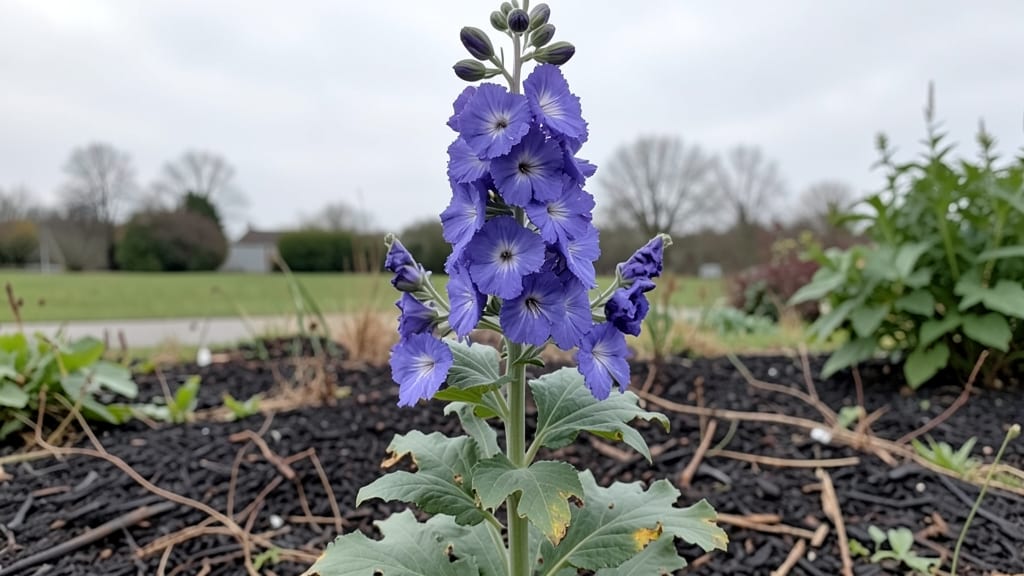
A tall flower bed 🌸 can turn a flat backyard into a vertical masterpiece—no green thumb required, just smart planning.
Picture this: a sea of green stretching upward, layers of blooms cascading from summer to frost, and every inch of space working for you. The secret? Layering plants by height and bloom time so your garden stays vibrant from top to bottom, all year long.
You don’t need a massive yard or deep pockets—just a few strategic plants and a little creativity.
Whether you’re working with a raised bed, tiered containers, or a simple in-ground plot, the right combination of perennials, annuals, and grasses will give you that dramatic height and color you’ve been dreaming of.
I’ll walk you through the best plant pairings, how to structure your bed for airflow and sunlight, and the easiest maintenance tricks to keep everything thriving—no guesswork, just stunning results.


How to layer plants for maximum height and seasonal interest in tall flower beds
A tall flower bed thrives on structure—literally! Layering plants by height creates depth, draws the eye upward, and ensures your garden stays vibrant year-round. The key is arranging plants in three distinct tiers: background, midground, and foreground.
Each layer serves a purpose, from anchoring the design to adding delicate accents. Start by sketching your bed’s dimensions and mapping where each plant will live based on its mature size.
Begin with the background layer—this is where your tallest plants shine. These giants (6–10 feet or taller) anchor your design and provide the vertical drama that defines a tall flower bed.
Choose perennials like Joe Pye weed or Hollyhock for structure, or ornamental grasses like Miscanthus for movement. Place them at the back or center of your bed, ensuring they won’t overshadow shorter plants.
Next, the midground layer bridges the gap between towering stalks and delicate foreground plants. Aim for plants that reach 3–6 feet at maturity, such as Black-Eyed Susans or Coneflowers. This layer adds volume and color, often carrying the blooms from spring through fall.
Group plants with similar water needs together to simplify care—no more guessing whether your Rudbeckia needs more hydration than your Salvia.
Finally, the foreground layer is where texture and contrast come into play. Use low-growing perennials like Creeping Thyme or Heuchera to frame the bed and add color. These plants spill over edges or create a neat border, softening the transition to lawn or pathways.
Pro tip: Add seasonal interest by mixing evergreens (like Dwarf Boxwood) with blooming annuals (like Pansies) for winter color.
To ensure seasonal interest, stagger blooming times across layers. For example, pair early spring bloomers like Bleeding Heart in the foreground with late-season Russian Sage in the background. This creates a cascading effect, where one plant fades just as another takes center stage.
Don’t forget foliage! Plants like Hostas or Ferns add lushness even when flowers are dormant.
Spacing is critical—crowded plants compete for nutrients and light, leading to leggy growth or disease. Follow the "rule of thumb": divide the mature height of a plant by 2 to determine its spacing from neighbors.
For instance, a 6-foot-tall Delphinium should sit at least 3 feet from its neighbors. Use a stake or marker to map plant positions before digging, and group plants with similar water needs to streamline maintenance.
Think beyond flowers! Incorporate textural elements like ornamental grasses or shrubs (e.g., Dwarf Lilac) to add year-round structure. These plants provide winter interest when blooms are scarce, and their varied shapes create visual intrigue.
For example, the feathery plumes of Feather Reed Grass contrast beautifully with the bold blooms of Bee Balm.
Don’t overlook color coordination. Use a 60-30-10 rule: 60% of your bed in a dominant color (e.g., purples and blues), 30% in a secondary hue (e.g., whites or yellows), and 10% in an accent color (e.g., red or orange).
This creates harmony while keeping the design dynamic. For instance, pair Lavender (dominant) with White Yarrow (secondary) and Red Salvia (accent) for a cohesive yet vibrant look.
Finally, plan for maintenance access. Leave at least 18–24 inches of walkway between tall beds to avoid trampling plants or disturbing roots. Mulch generously (2–3 inches) to suppress weeds, retain moisture, and regulate soil temperature.
Revisit your design annually—remove spent blooms, divide overcrowded perennials, and swap out plants that no longer thrive. A little upkeep ensures your tall flower bed
Best tall flowers and foliage plants for year-round vertical gardens
A vertical garden doesn't have to be seasonal—with the right tall perennials and annuals, you can enjoy blooms from spring through frost. The key is selecting plants that thrive at different heights while requiring minimal maintenance.
I’ve curated a list of low-maintenance options that add structure, color, and texture to your design without overwhelming your time.
Start with foliage plants as your backbone—they provide year-round interest even when flowers fade. Then layer in seasonal bloomers to keep your vertical garden vibrant. For example, Hollyhocks (6-8ft) offer old-fashioned charm, while Russian Sage (4-5ft) delivers drought-tolerant purple spikes.
Below are my top picks categorized by height ranges for easy planning.
- 1 3-6ft Range: Black-Eyed Susans (3-5ft, summer-fall), Coneflowers (2-5ft, summer), Feather Reed Grass (3-5ft, year-round foliage). Perfect for mid-height layers with minimal pruning.
- 2 6-9ft Range: Hollyhocks (6-8ft, spring-summer), Delphiniums (4-6ft, summer), Foxgloves (3-5ft but self-seeds tall). Add support stakes for wind resistance.
- 3 9ft+ Range: Sunflowers (6-12ft, summer), Tall Bearded Iris (3-5ft but clumping adds height), Russian Sage (4-5ft but spreads widely). Use trellises or cages for climbing varieties.
- 4 Year-Round Foliage: Ornamental Grasses (2-6ft, e.g., Miscanthus), Heuchera (1-2ft but colorful leaves), Hostas (1-3ft, shade-tolerant). These fill gaps when flowers fade.
- 5 Maintenance Tips: Group plants by water needs (e.g., drought-tolerant Russian Sage with moisture-loving Hollyhocks). Deadhead annually to encourage reblooming.
For low-maintenance success, pair perennials like Coneflowers (drought-resistant) with annuals like Sunflowers (fast-growing). The foliage contrast between Feather Reed Grass and Hollyhocks creates visual depth. I recommend planting grasses at the back for movement, followed by mid-height bloomers, and finishing with spiller plants like Lobelia at the edges.
Don’t forget to space plants according to their mature size—crowding leads to disease and poor airflow. For example, Delphiniums need 18-24 inches between stems, while Sunflowers can handle 12 inches apart.
Mulch annually to retain moisture and suppress weeds, which is especially critical in raised beds where soil dries faster.
To extend your blooming season, stagger plantings: Start with early spring Tulips (1-2ft), transition to summer Black-Eyed Susans, and end with fall Asters (1-4ft). This ensures your vertical garden never looks bare.
With this mix, you’ll enjoy year-round height and color variety with just a few hours of seasonal pruning.
Pro tip: Add climbing roses (6-10ft) to the tallest tier for romantic fragrance. Their arching canes soften the lines of structural plants like Hollyhocks. Just ensure they get 6+ hours of sun daily for optimal blooming.
🌿