
Trees
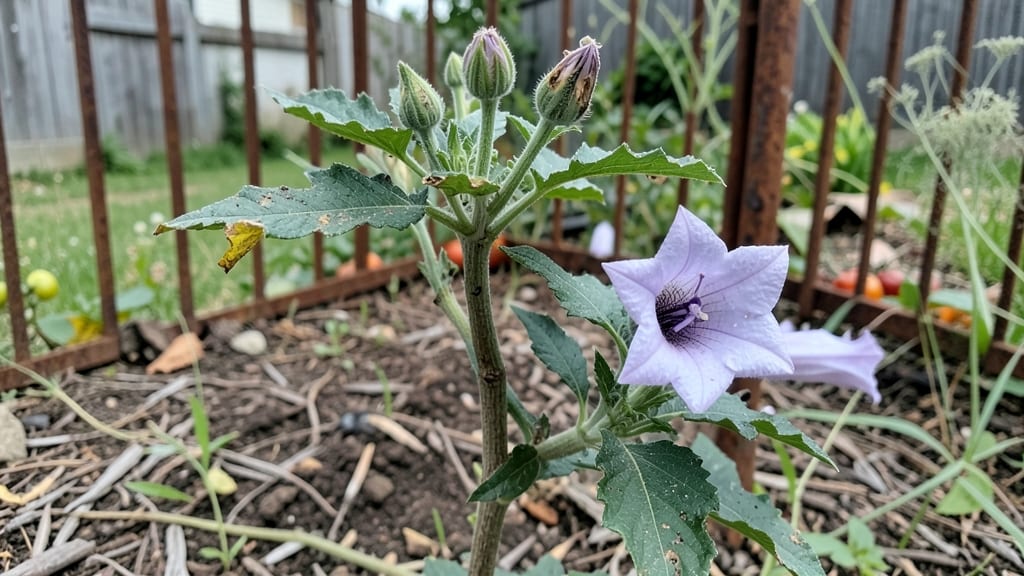
The thorn apple flower 🌺 is one of the most striking yet misunderstood plants in your garden—its ghostly white blooms open only after dark, filling the air with a sweet, intoxicating scent that hummingbirds and moths can't resist.
Imagine a garden that comes alive under the moonlight with eerie, mesmerizing blooms that attract hummingbirds and moths—this is the magic of the thorn apple flower (Datura), a dramatic yet easy-to-grow plant that thrives from seeds.
Growing thorn apple flowers is simpler than you'd think, but there's a catch: this beauty packs a potent punch. While its fragrant blooms add drama to any landscape, every part of the plant is toxic if ingested, making safety a must-know for curious gardeners and pets.
In this guide, I'll walk you through everything from planting thorn apple seeds in USDA Zone 6a to nurturing them into 3-foot-tall night-blooming stars, plus the precautions you need to keep your garden stunning—and safe.
Thorn apple flower care: essential growing tips for thriving plants
The thorn apple flower (Datura stramonium) is a stunning yet delicate plant that rewards gardeners with its moonlit blooms and fragrant nighttime fragrance. To ensure your Datura thrives, understanding its sunlight needs, soil preferences, and watering schedule is key.
This hardy annual loves warmth but struggles in overly wet conditions, making proper care essential for vibrant growth.
One of the most common mistakes gardeners make is overwatering or planting in shady spots, which can lead to root rot or stunted growth. With the right conditions, your thorn apple will reach heights of 3-5 feet and produce trumpet-shaped flowers in whites, pinks, and purples.
Let’s dive into the essentials for nurturing these enchanting plants.
| Care Factor | Requirement | Specifics |
|---|---|---|
| Sunlight | Daily Exposure | 6+ hours of full sun; partial shade in extreme heat |
| Soil Type | Drainage | Well-draining, slightly alkaline soil (pH 6.0-7.5); avoid clay |
| Watering | Frequency | Every 3-5 days; let soil dry between waterings; never soggy |
| Temperature | Ideal Range | 70-85°F; frost-sensitive; USDA Zones 6-11 |
| Fertilizer | Type & Timing | Balanced 5-10-10; apply every 4-6 weeks in spring/summer |
| Common Mistakes | Avoid | Overwatering, transplant shock, shady spots, or rich soil (encourages foliage over flowers) |
Your thorn apple will thrive best in full sun, so choose a location that receives at least 6 hours of direct sunlight daily. If you’re in a hot climate, provide afternoon shade to prevent wilting.
These plants are surprisingly drought-tolerant once established, but they despise waterlogged soil, which can lead to root diseases.
When it comes to soil preparation, focus on creating a well-draining mix. Amend heavy clay soil with compost or sand to improve aeration. A slightly alkaline pH (around 6.0-7.5) is ideal, but Datura is adaptable.
Avoid fertilizing heavily, as this can promote leafy growth over flowers. A light feeding with a balanced fertilizer every 4-6 weeks during the growing season is sufficient.
Watering your thorn apple requires a balanced approach. While they need consistent moisture, overwatering is a common pitfall. Aim to water every 3-5 days, allowing the top 1-2 inches of soil to dry out between sessions.
In summer heat, you may need to water daily, but always check the soil moisture first. Morning watering is best to reduce fungal risks and encourage strong root development.
Temperature plays a crucial role in Datura growth. These plants love warmth and thrive in USDA Zones 6-11. They cannot tolerate frost, so wait until after the last frost date in spring to plant seeds outdoors.
If you live in a cooler climate, consider starting seeds indoors 6-8 weeks before the last frost. Once established, Datura can handle heat waves but may go dormant in extreme cold.
Avoid the temptation to transplant seedlings, as thorn apple plants handle stress poorly. Instead, direct-sow seeds in their permanent location after the soil warms to at least 60°F.
Space seeds 12-18 inches apart to give plants room to spread. If you’re growing Datura in containers, use pots with drainage holes and a minimum 12-inch depth
How to grow thorn apple flowers from seeds: step-by-step process
Growing thorn apple flowers (Datura stramonium) from seeds is a rewarding experience, especially when you witness those enchanting night-blooming trumpets emerge. Unlike many plants, thorn apple seeds don’t require stratification—they germinate quickly when given the right conditions.
The key is patience and precision, as these fast-growing annuals can reach 3 feet tall in just a few months.
Before you begin, gather your supplies: thorn apple seeds, well-draining potting mix, small pots or seed trays, and a sunny location. These plants thrive in USDA zones 6-11, making them versatile for most gardeners.
The best time to start seeds indoors is 4-6 weeks before your last frost date, typically in March or April for most regions.
Prepare Your Seeds and Soil
Fill seed trays with a light, well-draining mix (60% potting soil + 40% perlite or sand). Thorn apple seeds are large and easy to handle—simply press 1-2 seeds per cell about ¼ inch deep. Gently pat the soil to ensure good contact.
Create a Warm, Humid Environment
Cover trays with plastic wrap or a humidity dome to retain moisture. Place them in a warm spot (70-75°F), like on top of a fridge or near a sunny window. Germination typically occurs in 7-14 days—keep soil moist but not soggy.
Thin Seedlings for Strong Growth
Once seedlings sprout 2-3 true leaves, thin to the strongest seedling per cell. Use scissors to snip weak stems at soil level—avoid pulling to prevent disturbing roots. Space remaining seedlings 12-18 inches apart if transplanting outdoors.
Hardening Off and Transplanting
Acclimate seedlings to outdoor conditions by placing them in partial shade for 1-2 hours daily, gradually increasing exposure over 7-10 days. Transplant after all frost risk has passed, choosing a sunny, sheltered spot with well-draining soil.
Early Care for Thriving Plants
Water deeply 2-3 times per week, ensuring soil dries slightly between waterings to prevent root rot. Apply a balanced fertilizer (5-10-10) lightly when plants are 6 inches tall, then monthly during the growing season. Watch for pests like aphids—spray with soapy water if needed.
Enjoy the Night-Blooming Magic
Your thorn apple flowers will reward you with fragrant, trumpet-shaped blooms by mid-summer. Deadhead spent flowers to encourage more blooms, but leave some seed pods for next year’s garden. Remember: all parts are toxic—wear gloves when handling!
One of the biggest mistakes I see is overwatering young seedlings, which can lead to damping-off disease. Instead, focus on consistent moisture without letting soil stay soggy. Also, avoid transplanting thorn apple seedlings more than once—they hate root disturbance and may struggle to recover.
If you’re growing in containers, use pots at least 12 inches wide to accommodate their tall, bushy growth habit.
For a moonlit garden display, plant thorn apple flowers near a seating area or pathway where you can admire their ethereal nighttime fragrance.
Pair them with silver foliage plants like lamb’s ear (Stachys byzantina) or white blooms like moonflower (Ipomoea alba) for a magical contrast. Just remember: keep them away from children and pets due to their hallucinogenic properties.
With these steps, you’ll have lush, thriving thorn apple plants in no time—ready to transform your garden into a whimsical nighttime paradise. 🌺✨🌿