
Blooming
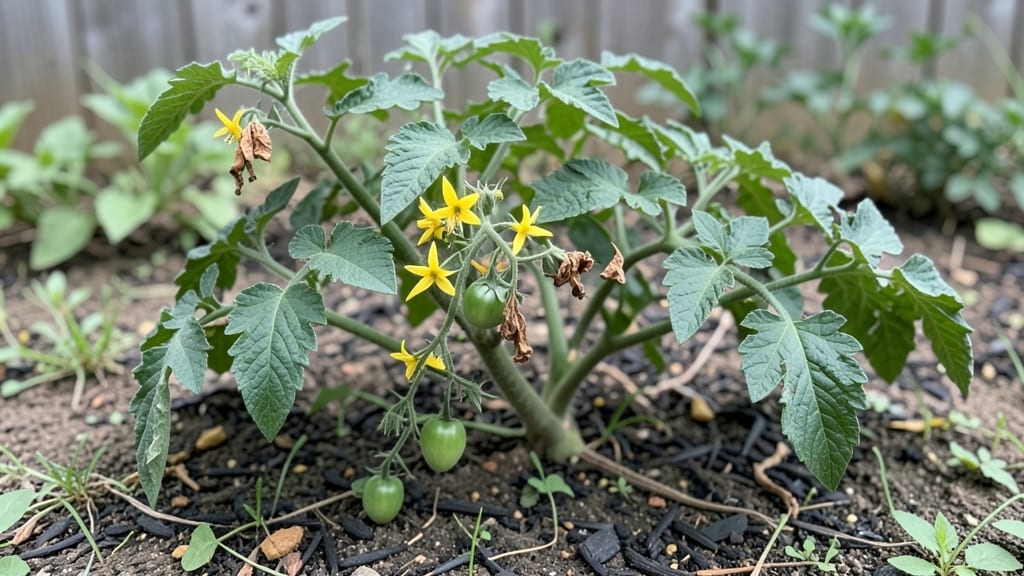
If your tomato flowers are dying before fruit sets, don’t panic—it’s often just a fixable hiccup in your garden’s rhythm. 🌱 I’ve seen this happen after a heatwave, and the solution is easier than you think.
Most gardeners assume it’s a disease or pest, but often it’s just the plant reacting to stress from the environment.
The good news? This problem has a straightforward fix that works in backyard gardens, containers, or raised beds. We’re talking about adjusting water consistency, improving airflow, and sometimes just giving the plant a little extra support during hot spells.
My tomatoes went from dropping blossoms to producing a dozen ripe fruits per plant within weeks of making these changes.
You’ll end up with stronger vines, more consistent fruit set, and a harvest that keeps coming all season. The key is understanding what your plants are actually telling you—they’re not giving up, they’re just asking for help. Let’s get those flowers back to work!
Works for both determinate and indeterminate varieties, and the fixes adapt to different climates. Here’s how to diagnose and revive your tomato plants before another blossom falls.
Why it happens
When your tomato plant’s flowers start dropping like autumn leaves, it’s usually a cry for help from the plant itself. Understanding the why behind this frustration is the first step to saving your harvest.
Below, we break down the most common culprits—each with a clear scientific explanation and actionable insights to turn things around.
🌡️ Extreme Temperature Swings
Tomatoes are sensitive to temperature extremes, and their flowers are no exception. When nighttime temps dip below 55°F (13°C) or daytime highs soar past 90°F (32°C), pollen production and fertilization get thrown into chaos.
Cold snaps can stunt pollen tube growth, while heat stress causes flowers to abort before setting fruit.
- 🔍 Signs: Flowers drop within hours of blooming, often curling or turning brown.
- ✨ Fix:
- Use frost blankets or row covers for cold nights.
- Provide afternoon shade (e.g., shade cloth) if temps exceed 85°F (29°C).
- Mulch heavily to stabilize soil temperature—straw or black plastic works best.
💧 Water Stress or Overwatering
Tomatoes need consistent moisture, but too little or too much water disrupts nutrient uptake and flower health. Drought stress causes flowers to drop due to ethylene gas production (a plant’s distress signal), while overwatering leads to root suffocation, cutting off the plant’s ability to support blossoms.
- 🔍 Signs:
- Drooping flowers before wilting leaves (underwatering).
- Yellowing lower leaves + mushy stems (overwatering).
- ✨ Fix:
- Water deeply 1–2 times per week (1–2 inches of soil moisture). Use a moisture meter or the "knuckle test" (push your knuckle into the soil—if it’s dry, water).
- Avoid wetting leaves/fruit to prevent blossom-end rot and disease.
- Improve drainage with perlite or sand in heavy clay soils.
🌱 Nutrient Imbalances: Too Much or Too Little
Flowers need a precise balance of nutrients, especially phosphorus (P) and potassium (K). Too much nitrogen (N) (common in fresh manure or over-fertilizing) promotes leafy growth at the expense of flowers. Conversely, deficiencies in calcium, boron, or magnesium can cause blossom drop.
| Symptom | Likely Cause | Action |
|---|---|---|
| Small, dark green leaves + no flowers | Excess nitrogen | Switch to a balanced 5-10-10 fertilizer or compost tea. |
| Yellowing between leaf veins | Magnesium deficiency | Apply Epsom salt (1 tbsp/gallon water) every 2 weeks. |
| Cracked stems or deformed fruit | Calcium deficiency | Use crushed eggshells or calcium nitrate. |
🐝 Pollination Problems
Tomatoes are self-pollinating, but they rely on vibration from bees, wind, or even your finger to transfer pollen. Without it, flowers won’t set fruit and may drop prematurely. Pesticide use, lack of pollinators, or rainy weather can all disrupt this process.
- 🔍 Signs:
- Flowers open but no fruit forms after 3–5 days.
- You’re growing in a greenhouse or urban area with few bees.
- ✨ Fix:
- Hand-pollinate by gently shaking the plant or using a paintbrush to transfer pollen between flowers.
- Avoid neonicotinoid pesticides (they kill bees). Opt for soapy water or neem oil instead.
- Plant bee-friendly flowers nearby (e.g., marigolds, basil, or borage).
🦠 Disease or Pest Pressure
Fungal infections like early blight or fusarium wilt, as well as pests such as hornworms or aphids, can stress tomato plants to the point where they abort flowers to conserve energy. Systemic diseases also block nutrient transport, starving blossoms.
- 🔍 Signs:
- Brown concentric rings on leaves (early blight).
- Wilting only on one stem (fusarium wilt).
- Flowers chewed or missing (hornworms).
- Sticky leaves + curled new growth (aphids).
- ✨ Fix:
- Remove infected leaves immediately and sterilize pruners with rubbing alcohol.
- Apply copper fungicide (for blight) or BT spray (for hornworms).
- Encourage beneficial insects (ladybugs, lacewings) with dill or fennel plants.
🌱 Transplant Shock or Root Damage
If your tomato plant was recently transplanted or its roots were disturbed (e.g., by cultivation or poor soil structure), it may shed flowers as a survival tactic. Root-bound plants or those in compacted soil struggle to support new growth, including blossoms.
- 🔍 Signs:
- Flowers drop within 1–2 weeks of transplanting.
- Roots are circling the pot (if container-grown).
- Soil is hard or waterlogged when dry.
- ✨ Fix:
- When transplanting, bury stems deeper (up to the first leaves) to encourage new root growth.
- Loosen soil with a garden fork to improve aeration.
- Use mycorrhizal fungi
Reviving Drooping Tomato Blooms
Wilted tomato flowers can feel like a gardener’s worst nightmare—especially when you’re dreaming of a bountiful harvest. 🍅😬 But don’t toss those plants just yet! With the right fixes, you can coax those blossoms back to life and set your tomatoes on the path to success.
Below, we’ve broken down the most common causes of dying tomato flowers and paired them with practical, step-by-step solutions to save your plants. Plus, we’ll share pro tips to keep your tomatoes thriving long-term.
🌡️ Fixing Heat Stress & Overheating
If your tomato flowers are wilting under scorching sun or extreme heat, they’re likely suffering from heat stress. Tomatoes thrive in warm weather but can’t handle too much of it—especially when combined with drought.
How to Cool Them Down & Revive Them:
- 💦 Water Deeply in the Early Morning
Give your plants a slow, deep drink right at dawn to hydrate the roots before the heat kicks in. Avoid evening watering—it can encourage fungal diseases.
- 🌿 Provide Shade (Temporarily)
Use shade cloth (30-50% coverage) or a lightweight row cover to block the harsh midday sun. Remove it in the afternoon to allow airflow.
- 🌱 Mulch Like a Pro
Spread 2-3 inches of organic mulch (straw, grass clippings, or wood chips) around the base of the plant. This keeps soil cool, retains moisture, and protects roots.
- ✂️ Prune for Better Airflow
Trim back dense foliage to improve circulation. Focus on removing leaves that are shading the fruit—this helps the plant focus energy on recovery.
💡 Prevention Tips for Future Heat Waves:
- Choose heat-tolerant varieties like ‘Solar Fire,’ ‘Heatmaster,’ or ‘Arkansas Traveler.’
- Plant in late spring (after the last frost but before peak summer).
- Use reflective mulch (like aluminum foil) to bounce back sunlight.
💧 Addressing Underwatering or Overwatering
Tomatoes are finicky about moisture—too little, and flowers drop; too much, and roots suffocate. Both extremes can lead to blossom death.
How to Balance the Moisture:
- 🔍 Check Soil Moisture First
Stick your finger 1-2 inches into the soil. If it’s dry, water thoroughly. If it’s soggy, hold off and let it dry slightly.
- 🌧️ Water at the Base (Not the Leaves)
Use a drip irrigation system or watering can to deliver moisture directly to the roots. Avoid overhead sprinklers, which can spread disease.
- 🕒 Stick to a Schedule
Water consistently—aim for 1-1.5 inches of water per week, adjusting for rain. Early morning is best.
- 🚫 Drainage Check
If your pots or garden bed have poor drainage, amend the soil with perlite or compost. Raised beds or containers with drainage holes are ideal.
💡 Prevention Tips for Perfect Moisture:
- Group plants together to create a microclimate that retains humidity.
- Use a moisture meter for precision (especially in pots).
- Avoid wetting leaves—this reduces fungal risks like blight.
🌱 Correcting Nutrient Imbalances (Too Much or Too Little)
Tomatoes need a balanced diet, but too much nitrogen (or not enough phosphorus/potassium) can cause flowers to abort. Yellowing leaves or stunted growth? Your plant might be hungry—or overfed!
How to Feed Your Tomatoes Right:
- 📊 Test Your Soil
Use a soil test kit to check pH (ideal: 6.0-6.8) and nutrient levels. Adjust with lime (for acidic soil) or sulfur (for alkaline soil).
- 🍄 Add Phosphorus for Blooms
Use a balanced fertilizer (10-10-10) or a bloom booster like 5-10-10 when flowers appear. Follow package instructions!
- 🚫 Avoid Over-Fertilizing with Nitrogen
Too much nitrogen (like in lawn fertilizer) promotes leafy growth at the expense of flowers. Switch to a low-nitrogen, high-phosphorus formula.
- 🌿 Compost Tea or Fish Emulsion
For a natural boost, brew compost tea or use a fish emulsion (5-1-1) every 2-3 weeks during flowering.
💡 Prevention Tips for Nutritional Success:
- Side-dress with compost halfway through the season for a slow-release nutrient boost.
- Rotate crops to prevent nutrient depletion in the soil.
- Use Epsom salt (1 tbsp per gallon of water) if you notice magnesium deficiency (yellowing between leaf veins).
🐞 Battling Pests & Diseases
Pests like aphids, whiteflies, or spider mites can suck the life out of tomato flowers, while diseases like blight or powdery mildew can cause them to wither and drop.
How to Protect & Revive Your Plants:
- 🦟 Inspect Leaves & Flowers Daily
Look for tiny bugs, sticky residue (honeydew), or white powdery spots. Act fast—early intervention is key!
- 🚿 Blast Pests Off with Water
Spray plants with a strong stream of water to dislodge aphids or whiteflies. Do this in the morning so leaves dry quickly.
- 🧴 Use Neem Oil or Insecticidal Soap
Mix 1 tsp neem oil + 1 tsp mild soap per quart of water and spray affected areas. Reapply every 5-7 days.
- 🌿 Introduce Beneficial Insects
Ladybugs, lacewings, and parasitic wasps eat garden pests naturally. Buy them online or attract them with companion plants like marigolds.
- 🍄 Prevent Fungal Diseases
Remove and destroy infected leaves. Space plants properly (18-24 inches apart) for airflow, and avoid overhead watering.
💡 Prevention Tips for Pest-Free Tomatoes:
- Plant companion herbs like basil, thyme, or oregano to repel pests.
- Rotate plant locations yearly to break pest/disease cycles.
- Use reflective mulch (like aluminum foil) to deter whiteflies.
🌱 Adjusting for Transplant Shock or Stress
If your tomato plants were recently transplanted or shocked by sudden changes (like wind, cold snaps, or repotting), their flowers may drop as they focus on survival.
How to Help Them Recover:
- 🌱 Give Them Time to Acclimate
After transplanting, avoid fertilizing for 1-2 weeks. Let the roots establish first.
- 🌡️ Protect from Temperature Swings
Use a cloche, row cover, or cold frame if nights are chilly (below 55°F/13°C). Tomatoes need warmth to set fruit.
- 💧 Keep Soil Consistently Moist
Stressed plants need steady hydration. Use mulch to lock in moisture and reduce stress.
- 🌿 Avoid Pruning Newly Transplanted
Frequently asked questions
Why are my tomato flowers dropping so quickly after they open?
Tomato flowers often drop due to environmental stress—think extreme temperatures, inconsistent watering, or sudden changes like transplant shock. When nights dip below 55°F or days exceed 90°F, pollen production gets disrupted. Similarly, drought stress triggers ethylene gas production, signaling the plant to drop flowers. Check soil moisture with your finger (1-2 inches deep) and adjust watering to 1-2 inches per week for consistency.
How can I tell if my tomato plant is overwatered or underwatered?
Overwatered plants show yellowing lower leaves and mushy stems, while underwatered ones have drooping flowers before leaves wilt. For underwatering, water deeply until soil feels moist 1-2 inches down. For overwatering, let the top 1-2 inches of soil dry out between waterings and ensure pots/containers have drainage holes. A moisture meter helps avoid guesswork!
Can I save my tomato plant if the flowers keep dropping?
Focus on stabilizing conditions first—provide shade cloth during heatwaves, mulch to retain moisture, and avoid fertilizing until roots recover. If pests or disease are involved, treat with neem oil or remove infected leaves. Even stressed plants can rebound with patience—expect new flowers in 2-3 weeks if conditions improve.
Why do my tomato flowers open but never form fruit?
This usually points to pollination issues. Tomatoes need gentle vibration (from bees, wind, or your finger) to transfer pollen. If growing indoors or in urban areas, hand-pollinate by shaking plants or brushing flowers with a paintbrush. Avoid pesticides that harm bees, and plant companion flowers like marigolds to attract pollinators naturally.
What’s the best way to prevent tomato flowers from dropping next season?
Start with heat-tolerant varieties and plant in late spring after frost danger passes. Use reflective mulch to deflect sunlight, water consistently (early morning), and test soil pH (6.0-6.8). Regularly inspect plants for pests and prune for airflow. A little prevention now means fewer dropped flowers—and more tomatoes—next year!