
Blooming
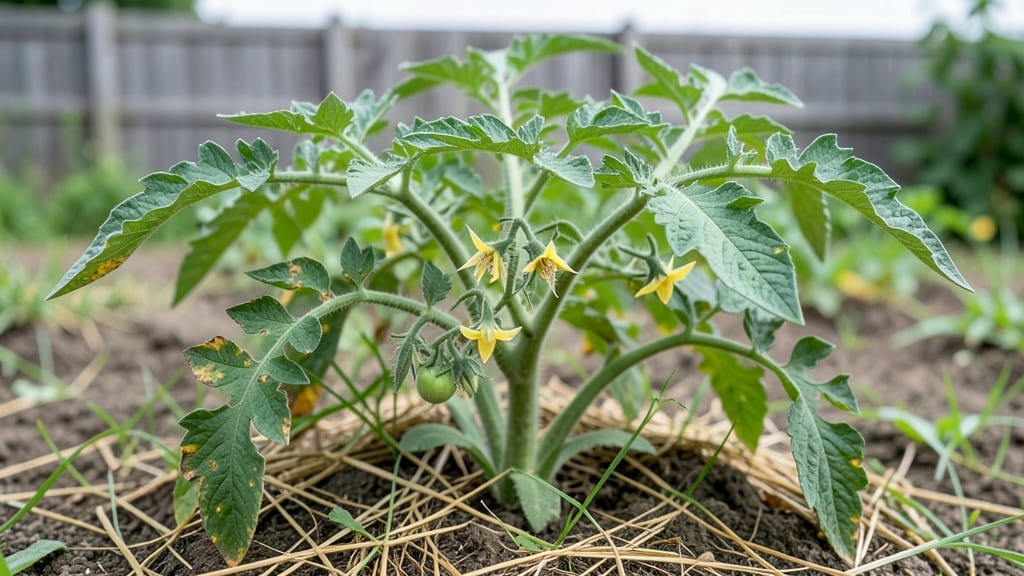
When tomato plants first flowers appear, wait 2–3 weeks before pruning to allow fruit set, then remove suckers below the first flower cluster to redirect energy to existing tomatoes and improve air circulation.
Understanding how tomato plants develop flowers helps you time pruning perfectly. 🌱 Determinate varieties produce a single flush of blooms, while indeterminate types keep flowering all season—both need patience after those first blossoms appear.
The wait period lets fruit form naturally, preventing wasted energy from premature cuts that could stress the plant or leave it vulnerable to pests.
Once you see fruit set, focus on removing only those suckers below the first cluster. This redirecting energy boosts existing tomatoes while keeping airflow strong to prevent disease. I’ve seen gardeners rush pruning too early, only to end up with smaller yields—so timing is everything!
💡 In This Article
- How Tomato Flower Development Affects Fruit Growth
- Step-by-Step Guide to Pruning Tomato Plants for Maximum Yield
How tomato flower development affects fruit growth
Here's what's actually happening when those first tomato flowers bloom: the plant shifts into reproductive mode, triggered by a combination of daylight length and temperature. For most varieties, this transition happens when days grow shorter (photoperiodism) and night temperatures stay above 55°F.
The flower buds contain tiny ovules that will become fruit once pollinated—this process takes about 2-3 weeks to complete, which is why early pruning risks removing potential harvests before they even form.
The key factor is the plant's hormonal balance. When flowers appear, auxin hormones (which promote growth) shift from stems to developing fruit. Gibberellins then kick in to stimulate cell division in the ovary, transforming it from a tiny bud into a tomato.
Premature pruning disrupts this delicate balance, forcing the plant to divert energy to regrow leaves and stems instead of maturing existing fruit. 🌿 This is why you'll often see smaller tomatoes when pruning happens too soon—the plant simply doesn't have enough resources allocated to proper fruit development.
Environmental conditions play a surprisingly large role too. Tomatoes need consistent temperatures between 70-85°F for proper pollination and fruit set. Below 60°F, pollen production drops dramatically, while above 90°F, flowers may drop entirely (a condition called "blossom end rot" of the flowers).
Even slight temperature fluctuations can cause flowers to abort before setting fruit. That's why gardeners in hot climates often see better results with afternoon shade cloth—it helps maintain that critical temperature window for fruit development.
Determinate varieties (like Roma or Celebrity) are particularly sensitive to early pruning because they produce all their flowers at once. These plants follow a strict growth pattern where energy is pre-allocated to that single flowering event.
Removing suckers before fruit sets forces the plant to essentially "start over," often resulting in a delayed and smaller harvest.
Indeterminate varieties (like Beefsteak or Cherry) are more forgiving because they keep producing flowers all season, but they still need that 2-3 week window after first blooms to establish a strong fruit load before aggressive pruning.
What most people don't realize is how air circulation affects this process. Proper spacing between plants (about 18-24 inches apart) creates airflow that helps dry dew quickly, reducing fungal diseases like early blight.
The same principle applies to pruning—removing suckers below the first flower cluster creates an open canopy that lets sunlight penetrate lower leaves. This isn't just about aesthetics; it's about creating an environment where fruit can develop properly without competing with shaded, disease-prone foliage. The result?
Healthier plants that produce tomatoes with better flavor and fewer blemishes.
Consider these biological trade-offs when deciding when to prune:
- Fruit development timeline: Takes 14-21 days from pollination to visible fruit set
- Hormonal shift: Auxin moves from stems to fruit within 7-10 days after pollination
- Energy allocation: A single tomato can require up to 30% of the plant's resources during development
- Temperature sensitivity: Pollen viability drops 50% below 65°F
The science behind successful tomato growing reveals that patience pays off. That 2-3 week waiting period after first flowers isn't arbitrary—it's the time the plant needs to establish its first fruit crop before you can safely redirect its energy elsewhere.
Think of it like giving your tomatoes a strong foundation before you ask them to build upward. 💫