
How To
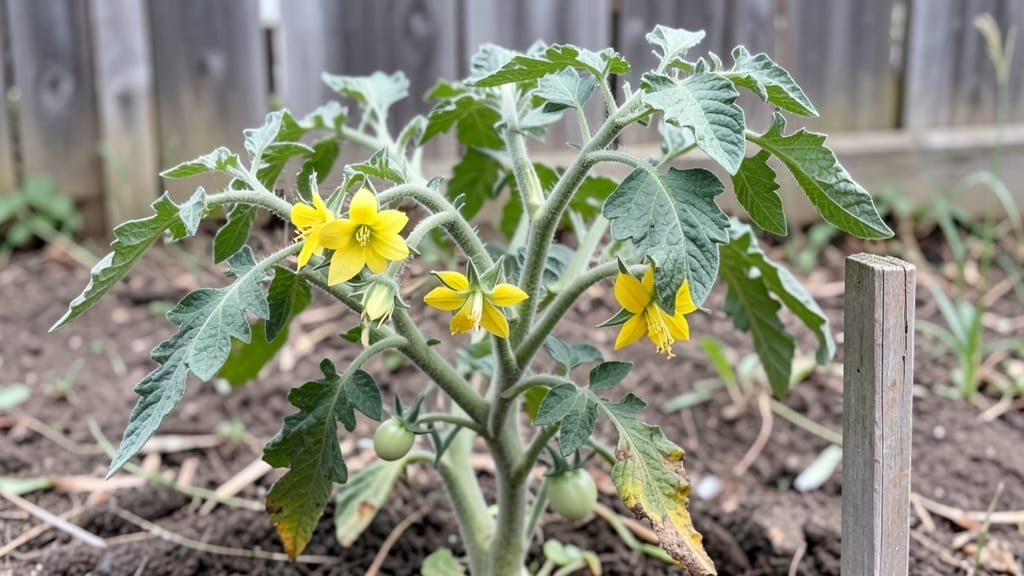
Tomatoes flowering too early often signals stress from heat, improper light exposure, or inconsistent watering, which disrupts their natural growth cycle and reduces fruit yield. Prune suckers, adjust watering schedules, and provide shade if temperatures exceed 85°F to delay blooming until stronger vines form.
When tomatoes start flowering too soon, it’s often because the plant is under stress from extreme conditions. 🌡️ High temperatures above 85°F can shock the plant into early blooming, while uneven watering or too much sunlight disrupts its natural growth rhythm.
This forces the plant to focus on fruit production before it’s strong enough to support healthy vines, which can lead to smaller yields or weaker plants.
Another key factor is hormonal imbalance—too much ethylene or gibberellin from stress speeds up flowering. I’ve found that providing consistent moisture and partial shade (especially in hot climates) helps reset the plant’s cycle, giving those vines time to thicken and support better fruit later in the season.
💡 In This Article
- Environmental Triggers for Premature Tomato Flowering
- Step-by-Step Fixes for Delaying Tomato Blooms
Environmental triggers for premature tomato flowering
Here's what's actually happening when your tomato plants start flowering too early: extreme heat and light fluctuations trigger a hormonal response in the plant. When temperatures consistently exceed 85°F, tomato plants experience what scientists call "thermo-inhibition," where high temperatures disrupt the natural balance of growth hormones.
This causes a surge in ethylene production, a plant hormone that accelerates flowering—even when the plant isn't developmentally ready. 🔥
The key factor is how these environmental stressors interact with the plant's internal clock. Tomato plants follow a photoperiodic response, meaning they need a specific balance of light and darkness to mature properly.
When exposed to 14+ hours of direct sunlight (common in summer) without adequate rest periods, the plant misinterprets its growth stage and prematurely shifts focus from vine development to flower production.
This is why you often see early blooms in greenhouses or containers that receive intense afternoon sun without shade protection.
Water fluctuations play a surprising role too. Inconsistent moisture—whether from drought stress or overwatering—triggers a defensive response in tomatoes. When roots experience sudden dryness followed by heavy watering, the plant releases gibberellins, another growth hormone that promotes flowering as a survival mechanism.
Think of it like a plant's version of panic mode: it's trying to reproduce quickly before conditions worsen. 💫
What most people don't realize is how these factors compound when combined. A tomato plant under 90°F heat with 3+ hours of midday sun exposure and irregular watering (like every 2-3 days) will flower within 4-6 weeks of transplanting—half the normal time.
The result? Weak vines that can't support heavy fruit loads, leading to blossom end rot or cracked tomatoes later in the season.
There's also a genetic component worth noting: determinate tomato varieties (like 'Roma' or 'Celebrity') are more prone to early flowering than indeterminate types ('Cherry', 'Beefsteak') because their growth cycle is inherently shorter. However, even indeterminate varieties can be pushed into early blooming under extreme conditions.
The science shows that when day temperatures exceed night temperatures by 15°F or more, flowering accelerates by up to 30%.
Consider this real-world example: In Arizona's monsoon season, tomato plants often flower prematurely when afternoon temperatures hit 105°F while nighttime drops to 75°F. The dramatic temperature swing creates hormonal chaos, forcing the plant to prioritize reproduction over vine strengthening.
This is why local growers use shade cloth rated for 30-50% light reduction during peak heat—it's not just about cooling the plant, but regulating its internal signals. ✨
The bottom line? Premature flowering is your tomato plant's way of saying "I'm stressed and need to reproduce now!" Understanding these environmental triggers lets you take proactive steps—like adjusting watering schedules or providing afternoon shade—to help your plants grow strong vines before they focus on fruit production.