
Trees
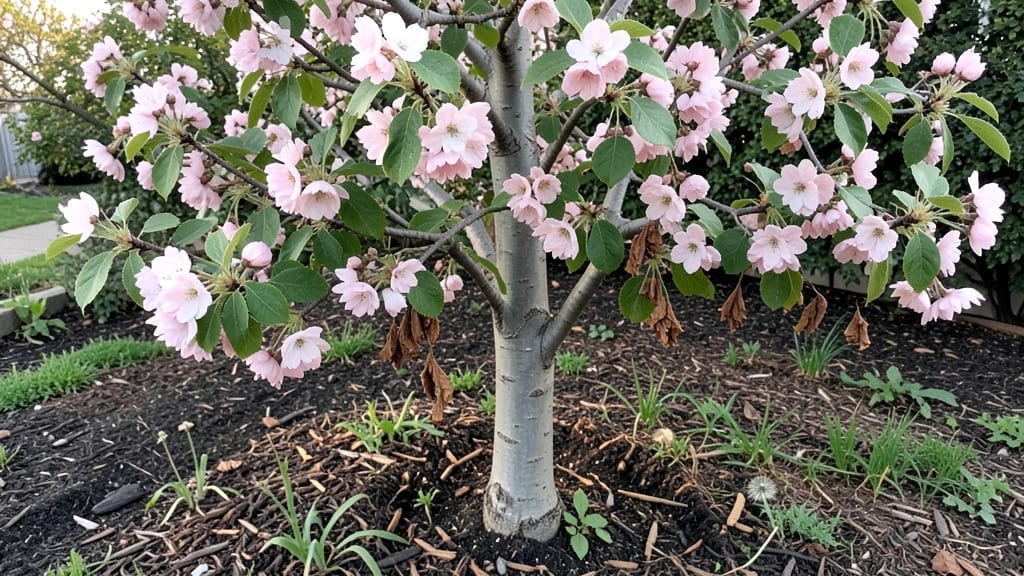
A stunning tree with pink flower clusters, the Bradford Pear steals the show in spring with its dazzling, fragrant blooms that turn any garden into a dreamy masterpiece. 🌸
Imagine a garden bursting with vibrant pink blooms year after year—no seasonal fuss, just natural beauty that turns heads and attracts pollinators. These trees aren’t just eye-catching; they’re low-maintenance powerhouses that thrive in diverse climates, making them perfect for both urban and rural landscapes.
If you’re dreaming of a standout focal point or a border that pops with color, the Bradford Pear delivers. With its springtime spectacle and adaptability to USDA Zone 6a, it’s a top choice for gardeners who want drama without the upkeep.
In this guide, I’ll walk you through everything you need to know—from planting tips to care secrets—to keep your Bradford Pear blooming beautifully for years.
Top 5 trees with pink flower clusters for different climates
If you’re dreaming of a garden bursting with pink flower clusters that thrive year-round, you’re in the right place. These ornamental trees aren’t just stunning—they’re designed to adapt to your local climate while demanding minimal effort.
Whether you live in a hot desert, cool mountain, or humid coastal region, there’s a pink-blooming tree perfect for your yard. Let’s explore the top five varieties that will transform your outdoor space into a pink paradise.
Choosing the right pink-flowering tree depends on your USDA hardiness zone, soil type, and sunlight exposure. Some varieties thrive in full sun, while others adapt to partial shade. Below, I’ve curated a list of low-maintenance trees that deliver seasonal color with minimal fuss.
Each tree is selected for its unique bloom time, hardiness, and aesthetic appeal, ensuring your garden stays vibrant from spring through fall.
Comparison Table: Top 5 Pink Flowering Trees
| Tree Name | Scientific Name | Hardiness Zones | Bloom Season | Mature Height | Sunlight Needs | Best For |
|---|---|---|---|---|---|---|
| Eastern Redbud | Cercis canadensis | 4-9 | Early spring | 20-30 ft | Full sun to partial shade | Small gardens, borders |
| Crabapple | Malus spp. | 3-8 | Spring (some rebloom) | 15-25 ft | Full sun | Focal points, wildlife gardens |
| Japanese Cherry | Prunus serrulata | 5-8 | Late spring | 25-40 ft | Full sun | Landscape accents, parks |
| Crape Myrtle | Lagerstroemia | 6-9 | Summer to fall | 10-20 ft | Full sun | Urban landscapes, heat tolerance |
| Bradford Pear | Pyrus calleryana | 5-9 | Early spring | 30-40 ft | Full sun | Street trees, large properties |
The Eastern Redbud (Cercis canadensis) is a spring bloomer that thrives in USDA zones 4-9, making it ideal for cooler climates. Its pink flower clusters appear before the leaves, creating a stunning visual effect.
This smaller tree (20-30 ft) is perfect for borders or foundation plantings and handles both full sun and partial shade. Pair it with hostas or ferns for a layered look.
For summer-long color, the Crape Myrtle (Lagerstroemia) is a standout. Native to zones 6-9, it blooms from late summer to fall and tolerates heat and drought like a champ. Its exfoliating bark adds winter interest, and its varied heights (10-20 ft
How to plant and care for pink flowering trees for maximum blooms
Transforming your yard into a pink paradise starts with proper planting and care. Pink flowering trees like Bradford pear or Japanese cherry blossom need the right conditions to produce abundant blooms.
I’ll walk you through every step—from soil preparation to seasonal maintenance—so your tree thrives and bursts with color every year.
First, choose a sunny location with at least 6 hours of direct sunlight. Most pink-flowering trees prefer well-draining soil enriched with compost.
If your soil is heavy clay, amend it with organic matter to improve aeration. pH levels between 6.0 and 7.0 are ideal for most varieties, so test your soil before planting.
- 🌱 Step 1: Planting – Dig a hole twice as wide as the root ball but no deeper. Place the tree so the root flare is visible above soil level.
- 💧 Step 2: Watering – Water deeply once weekly for the first year. After establishment, reduce to every 10-14 days unless drought occurs.
- ☀️ Step 3: Sunlight – Ensure full sun exposure (6+ hours daily). Partial shade may reduce blooms.
- ✂️ Step 4: Pruning – Prune in late winter or early spring before new growth begins. Remove dead or crossing branches to improve airflow.
- 🌿 Step 5: Fertilizing – Apply a balanced fertilizer (10-10-10) in early spring and again in mid-summer. Avoid fall fertilization.
After planting, mulch around the base of your tree with 2-3 inches of organic mulch, like wood chips or shredded bark.
This helps retain moisture and suppress weeds while regulating soil temperature. Replenish mulch annually as it breaks down, but keep it 6 inches away from the trunk to prevent rot.
Pruning is key to maximizing blooms. For most pink-flowering trees, prune lightly in late winter to shape the tree and remove suckers or water sprouts. Avoid heavy pruning, as it can reduce next year’s flower production. Sanitize pruners with rubbing alcohol between cuts to prevent disease spread.
Seasonal care ensures year-round health. In spring, monitor for pests like aphids or spider mites and treat early with neem oil. During summer, increase watering if temperatures exceed 90°F.
In fall, reduce watering but keep soil moist until the first frost. Winter care is minimal—just protect young trees from freezing winds with burlap wraps if needed.
With these steps, your pink flowering tree will reward you with vibrant blooms for decades. The secret? Consistency in care and attention to detail. Watch your garden transform into a pink-flowering oasis that neighbors will envy! 🌸