
Vegetables
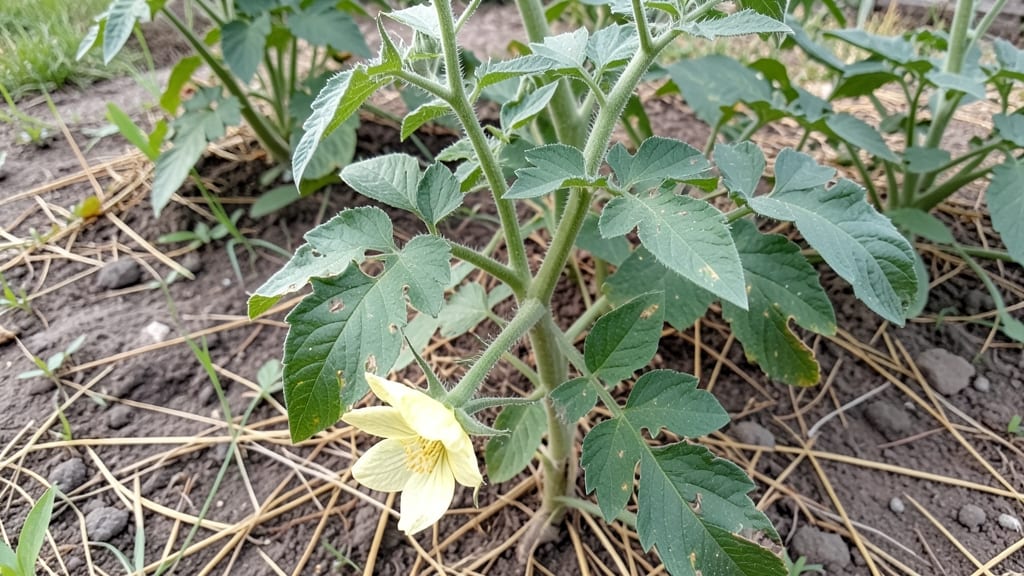
My greenhouse tomatoes keep blooming but never set fruit—until I discovered the hidden reason behind unpollinated tomato flowers. 🌱 The issue isn’t always pests or weather; sometimes it’s simply how (or how little) those flowers get shaken up.
Most gardeners miss this key step, but it’s the difference between a handful of tomatoes and a bursting harvest.
The culprit is usually a lack of movement—whether from wind, bees, or even a gentle tap. Greenhouse environments trap humidity and stillness, which can prevent pollen from reaching the flower’s stigma. Even healthy plants with perfect blooms will drop flowers if they don’t get that tiny nudge.
The fix is simpler than you’d think: a quick daily check and a light brush with your fingers or a small tool.
Within days, you’ll see those blossoms swell into plump green tomatoes instead of falling off. The payoff isn’t just more fruit—it’s the satisfaction of turning a common greenhouse frustration into a reliable harvest.
And the best part? This method works for both cherry and beefsteak varieties, so you’ll never waste another bloom again.
Whether you’re dealing with a single stubborn plant or a full greenhouse full of drop-offs, this approach transforms guesswork into results. Let’s turn those empty flowers into a bounty you can see—and taste—by midsummer.
Why it happens
When your tomato plants burst with vibrant flowers but refuse to set fruit, it’s often due to a mix of environmental and biological factors. Understanding these causes is the first step to fixing the issue—whether you’re growing in a greenhouse or open field.
Here’s why your tomato blossoms might be failing to pollinate:
🌡️ Temperature Extremes: Too Hot or Too Cold
Tomato flowers are delicate temperature-sensitive—they thrive in a narrow range of 55–85°F (13–29°C). When temperatures dip below 55°F (13°C) or soar above 90°F (32°C), pollen production and viability drop sharply. Here’s how it breaks down:
- Cold Stress (<55°F / 13°C): Low temps slow pollen development, making it weak or non-existent. Even if pollen is present, it may not transfer properly due to sluggish bee activity.
- Heat Stress (>90°F / 32°C): High temps cause a condition called “heat stress”, where flowers drop before pollination (a process called “blossom drop”). The pollen may also sterilize before reaching the stigma.
Pro Tip: 🌡️ Use shade cloth in greenhouses during peak heat or provide afternoon shade to keep temps in the ideal range. For cold snaps, consider row covers or temporary greenhouse extensions.
💧 Water Stress: Too Much or Too Little
Water plays a critical role in pollination—both for the plant’s overall health and the physical process of pollen transfer. Here’s how imbalances disrupt fruit set:
- Underwatering: Stress from drought causes flowers to abort (drop prematurely) or produces pollen that’s too dry to stick to the stigma. The plant prioritizes survival over reproduction.
- Overwatering: Soggy soil leads to root rot, weakening the plant’s energy reserves. It also creates a sticky, waterlogged stigma, which repels pollen instead of trapping it.
- Inconsistent Watering: Fluctuations in soil moisture confuse the plant, leading to “physiological stress” that halts fruit development mid-cycle.
Action Step: 💧 Maintain consistent moisture—aim for 1–1.5 inches of water per week, delivered at the soil level (not overhead). Use drip irrigation to avoid wetting flowers, which can wash away pollen.
🐝 Pollinator Shortages: Missing the Matchmakers
Tomatoes are self-pollinating, but they rely on vibration, wind, or insects to jostle the anthers and transfer pollen. In greenhouses or urban areas, pollinators like bees and hummingbirds may be scarce. Key issues include:
- No Bees/Hummingbirds: Without these helpers, pollen sits idle on the anthers. Even if it’s viable, it won’t reach the stigma without physical disturbance.
- Greenhouse Barriers: Glass or plastic walls block wind currents, which are the plant’s backup pollination method when insects are absent.
- Pesticide Use: Chemicals like neonicotinoids can kill or repel pollinators, leaving flowers unpollinated.
Solution: 🐝 Introduce hand pollination (see next section) or invite pollinators with bee-friendly plants (e.g., basil, marigolds) near your tomatoes. Avoid pesticides during bloom time.
🌱 Nutrient Imbalances: Starving the Flowers
Tomato plants need a balanced diet to produce healthy flowers and pollen. Deficiencies or excesses in key nutrients directly impact pollination success:
| Nutrient | Deficiency Signs | Pollination Impact |
|---|---|---|
| Boron | Cracked stems, deformed flowers | Weak pollen tubes; pollen fails to reach the ovary |
| Calcium | Blossom-end rot, stunted growth | Poor cell wall development in stigma/anthers |
| Phosphorus | Purple stems, slow flowering | Reduced energy for flower production |
| Nitrogen (Excess) | Lush foliage, few flowers | Plant focuses on leaves, not reproductive growth |
Fix It: 🌱 Test your soil and amend with balanced fertilizer (e.g., 10-10-10) or compost. For boron, add 1/4 tsp of borax per gallon of water as a foliar spray during bloom.
🌿 Hormonal Confusion: Too Many Leaves, Not Enough Flowers
Tomato plants prioritize vegetative growth (leaves/stems) over reproductive growth (flowers/fruit) when conditions aren’t ideal. Common triggers:
- Overpruning: Removing too many leaves reduces photosynthesis, starving the plant of energy to produce flowers.
- Excess Nitrogen: Shifts the plant’s focus to leafy growth instead of flowering.
- Stress from Transplanting: Shocked plants may hold off flowering until they recover.
Adjustments: ✂️ Prune only to improve airflow—avoid aggressive trimming during bloom. Switch to a low-nitrogen, high-phosphorus fertilizer (e.g., 5-10-10) to encourage flowering.
Fixing Blossom Drop Naturally
Now that you understand why your tomato flowers aren’t setting fruit, let’s tackle the solutions—practical, greenhouse-friendly fixes that actually work. Below, we’ve mapped common causes to their fixes, with step-by-step instructions and prevention tips to keep your plants thriving.
🌡️ Too Hot? Cool It Down
Cause: High temps (above 90°F/32°C) shock flowers, preventing pollination. Fix:
- 🌬️ Increase airflow with fans (set to 700–1,000 RPM) to mimic wind and aid pollen transfer.
- 💦 Mist flowers lightly in the early morning (avoid evening to prevent fungal issues).
- 🌿 Shade cloth (30–50% coverage) can lower temps by 5–10°F (-15 to -12°C) without blocking light.
Prevention:
- 🌡️ Monitor temps with a greenhouse thermometer—aim for 75–85°F (24–29°C) during flowering.
- 🌅 Plant heat-tolerant varieties like ‘Heatmaster’ or ‘Solar Fire’ if your climate runs hot.
🌧️ Too Humid or Dry? Balance the Climate
Cause: Extreme humidity (>85%) or dry air (<40%) disrupts pollen viability. Fix:
- 💧 Adjust humidity with a hygrometer and ventilation:
- High humidity? Open vents or use dehumidifiers (small portable ones work).
- Too dry? Add a swamp cooler or pebble tray near plants (not directly on leaves).
- 🌿 Prune for airflow—remove crowded leaves to let air circulate around flowers.
Prevention:
- 🌡️ Ideal range: 50–70% humidity during flowering.
- ⏰ Water deeply in the morning to reduce evening dampness (which fuels disease).
🐝 No Pollinators? Hand-Pollinate Like a Pro
Cause: Lack of bees, wind, or vibration from insects. Fix:
- 👨🍳 Hand-pollinate daily (best in the morning when flowers are open):
- 🌸 Gently tap each flower cluster with a soft paintbrush or toothbrush.
- 🔄 Or use a vibrating tool (like a small electric toothbrush) for 5–10 seconds per cluster.
- 💧 Lightly mist after pollinating to help pollen stick.
- 🐝 Invite pollinators (if outdoors): Plant basil, marigolds, or dill near tomatoes to attract bees.
Prevention:
- 🌱 Train vines to spread out for better access to flowers.
- 🕒 Pollinate every 2–3 days during peak flowering (usually 6–8 weeks after transplanting).
🌱 Nutrient Imbalance? Feed Smart
Cause: Too much nitrogen (leafy growth) or deficiencies (like calcium or boron). Fix:
- 🍽️ Adjust fertilizer ratios:
- ❌ Stop high-nitrogen feeds (like 30-10-10) during flowering—switch to balanced (10-10-10) or bloom-specific (5-10-10).
- 💧 Flush soil with water if you’ve over-fertilized (wait 3–5 days before reapplying).
- 🥛 Add calcium & boron:
- 🥛 Calcium: Use crushed eggshells (bake & grind) or calcium nitrate (1 tsp/gallon).
- 🔬 Boron: Mix 1/4 tsp borax per gallon of water (spray foliarly or water soil).
Prevention:
- 📅 Test soil every 2–3 months with a DIY kit or lab test.
- 🌿 Use compost tea (1:10 ratio) weekly for micronutrients.
🌿 Overcrowded Plants? Thin & Train
Cause: Poor airflow, competition for nutrients, or shaded flowers. Fix:
- 🌱 Prune aggressively:
- Remove suckers (side shoots) to focus energy on fruit.
- 🔪 Snip leaves blocking sunlight from lower flower clusters.
- 🪜 Train vines upward (if indeterminate) or stake determinate varieties for better air circulation.
Prevention:
- 📏 Space plants 18–24 inches apart in greenhouses.
- 🌞 Rotate plants weekly to ensure even light exposure.
💡 Pro Tips for Lasting Success
- 🌅 Time it right: Pollinate before 10 AM when flowers are freshest.
- 🌡️ Night temps matter: Keep them above 60°F (15°C)—cold snaps cause drop.
- 🍅 Save failed flowers: If a flower drops, prune the stem to redirect energy to remaining blooms.
- 🔄 Repeat weekly: Check flowers every 3–4 days during peak season.
By addressing these root causes, you’ll see fewer dropped flowers and more plump tomatoes in just a few weeks. Try one fix at a time, monitor results, and adjust as needed—your greenhouse harvest will thank you! 🍅✨
Frequently asked questions
Why do my greenhouse tomato flowers keep dropping without setting fruit?
This often happens due to lack of physical disturbance—tomato flowers need gentle movement to transfer pollen. In greenhouses, still air and humidity prevent natural shaking from wind or bees. Try lightly tapping flower clusters with your fingers or a soft brush to mimic wind. Temperature extremes (below 55°F or above 90°F) and inconsistent watering also trigger blossom drop.
How often should I manually pollinate tomato flowers?
Check and pollinate flowers every 2-3 days during peak blooming season (usually 6-8 weeks after transplanting). Morning is ideal—flowers are freshest and pollen is most viable. Use a soft paintbrush or toothbrush to gently brush pollen from anthers to the stigma. Consistency is key!
Can I use fans to help pollination in my greenhouse?
Running a gentle fan (700-1,000 RPM) on low for 10-15 minutes daily mimics wind movement and improves pollen transfer. Position it to create airflow around flower clusters without blowing them away. This works especially well for large greenhouse setups.
What nutrients might be causing my tomato flowers to fail to pollinate?
Common culprits include excess nitrogen (which promotes leafy growth over flowers) and deficiencies in calcium or boron. Switch to a balanced fertilizer (10-10-10) during flowering. For calcium, use crushed eggshells or calcium nitrate. Boron deficiency causes deformed flowers—try a foliar spray of 1/4 tsp borax per gallon.
Is there a way to tell if my tomato flowers are already pollinated?
Look for tiny green swellings at the base of the flower where the stem meets the ovary. Within 24-48 hours, you should see the beginning of a small tomato forming. Unpollinated flowers will continue to wilt and drop. Early morning is the best time to check for signs of successful pollination.