
Shrubs
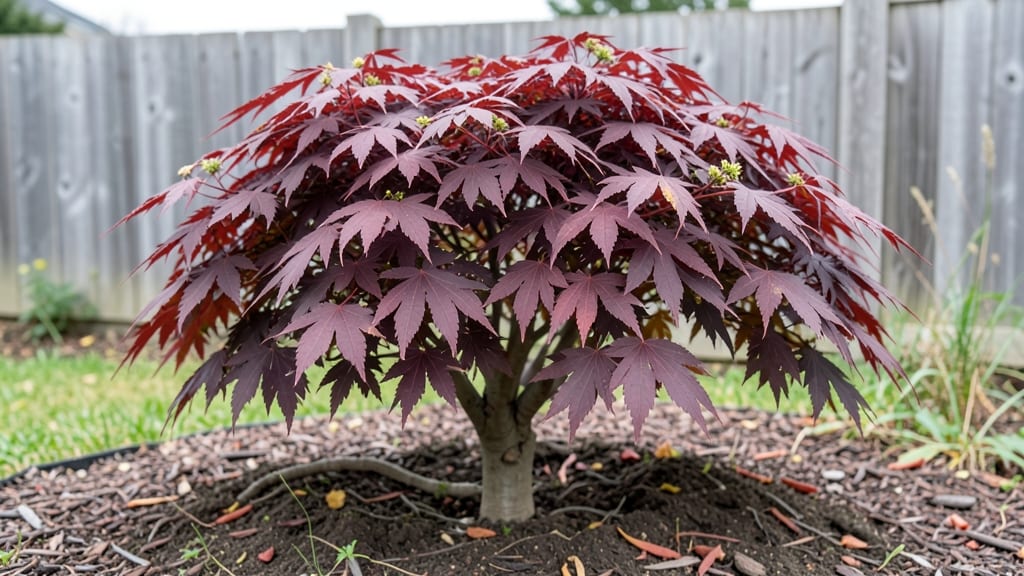
The Victorian Lady flowering maple 🌸 turns your garden into a living canvas with its delicate lace-like leaves and vibrant seasonal hues—but its true magic happens when you prune it right.
Picture this: a tree that bursts into spring blooms, then transforms into fiery autumn foliage, all while standing tall with minimal fuss. Yet most gardeners overlook the simple pruning tricks that keep it thriving year-round, leaving their trees looking tired instead of timeless.
This isn’t just another shrub—it’s a Victorian-era heirloom that pairs beautifully with hostas, ferns, or even a classic English rose border. The key? Knowing when to trim for blooms, how to shape it without sacrificing its elegant form, and which tools to use for clean cuts that heal fast.
Below, I’ll walk you through the exact techniques to unlock year-round color, from late-winter pruning to summer maintenance, so your Victorian Lady becomes the showstopper it’s meant to be.
When and how to prune Victorian Lady maple for maximum blooms
The Victorian Lady flowering maple (Acer palmatum 'Emerson') rewards precise pruning with prolonged blooms and vibrant foliage. Unlike many maples, this variety thrives when pruned at specific seasonal windows—late winter or early spring—to stimulate spring flower production while maintaining its elegant, layered structure.
Skipping these steps means missing out on the lacy pink blooms and autumn’s fiery colors that make this tree a garden star.
Timing is everything with Victorian Lady maples. Prune too early, and you risk frost damage to fresh cuts. Prune too late, and you reduce next year’s blooms.
The key is balancing structural health with flower stimulation—and knowing which branches to keep (or remove) for that classic Victorian silhouette.
⚠️ Pro Tip: Always use sharp, sterilized pruners to prevent disease. The Victorian Lady is sensitive to bacterial infections like oozing canker, so clean tools between cuts with rubbing alcohol.
| Pruning Time | Primary Goal | Branches to Remove | Tools Needed | Key Technique |
|---|---|---|---|---|
| Late Winter (Feb-March) | Structural shaping and disease prevention | Dead/diseased wood, crossing branches, water sprouts | Bypass pruners, sterilized saw, gloves | Make cuts just outside branch collar at 45-degree angle |
| Early Spring (April) | Stimulate spring blooms and foliage | Overcrowded branches, weak growth, inward-facing limbs | Hand pruners, loppers, pole saw (if needed) | Thin canopy to 50% openness for airflow |
| Post-Bloom (June) | Maintain shape, remove spent flowers | Leggy stems, suckers, broken branches | Pruners, sanitizing spray | Avoid heavy pruning—focus on light cleanup |
Start your Victorian Lady maple pruning in late winter (February-March) when the tree is dormant. This is your chance to remove dead wood and reshape the canopy before new growth begins.
Focus on thinning out crowded branches—aim for a balanced, open structure that lets sunlight penetrate to the inner foliage. Use one-third rule: never remove more than one-third of the canopy in a single year.
For early spring pruning (April), shift your focus to flower stimulation. The Victorian Lady sets its spring buds in late winter, so pruning too aggressively now can reduce blooms.
Instead, lightly thin the canopy to improve air circulation and prevent fungal diseases. Look for weak, crossing branches—these compete for energy and should be cut at the base.
After the spring blooms fade (June), perform a light cleanup. Remove any spent flower clusters and suckers (shoots growing from the base or roots). This keeps the tree neat and healthy without stressing it.
Avoid heavy pruning now—you’ll miss next year’s blooms if you prune too late in the season.
When selecting branches to remove, prioritize structural integrity. Look for branches that rub against each other or grow straight up (they’ll never hold weight). The Victorian Lady’s natural shape is rounded and tiered, so preserve that silhouette while opening up the center.
Use a pole saw for high branches—never stand on ladders near weak limbs.
For clean cuts, always use sharp tools and make cuts just outside the branch collar (the swollen area where the branch meets the trunk). Ragged cuts invite disease and slow healing.
Seal larger cuts (1-inch diameter) with pruning sealant to prevent oozing canker, a common issue with maples. Smaller cuts (½-inch or less) don’t need sealing—they’ll heal naturally.
Finally, step back and admire your work. A well-pruned Victorian Lady maple should have a balanced, layered look with even sunlight exposure. The goal is to enhance its natural beauty while ensuring healthy growth and abundant blooms for years to come.
With these techniques, your tree will thrive as a garden centerpiece—just like in a Victorian-era estate.
5 Common pruning mistakes that kill Victorian Lady maple color
The Victorian Lady flowering maple’s stunning vibrant foliage and delicate blooms are its signature traits—but they vanish when pruning goes wrong. Even small errors can dull its color intensity and reduce flower production.
I’ve seen gardeners accidentally turn their showstopper into a shadow of its former self, and I’m here to show you how to avoid those pitfalls.
Pruning isn’t just about cutting branches; it’s about preserving health and stimulating growth. For the Victorian Lady, timing, technique, and attention to detail make all the difference.
Skipping these basics can leave your tree looking leggy, color-faded, or even prone to disease. Let’s dive into the mistakes that silently sabotage this beauty.
⚠️ Warning: These Mistakes Fade Your Victorian Lady’s Color
Over-pruning removes too many leaves, stripping sunlight and reducing chlorophyll production, which dulls the vibrant reds and purples this variety is known for. Even a 20% reduction in foliage can turn your tree’s signature hues into a washed-out greenish-brown. The Victorian Lady relies on its leaves for energy—cut too much, and you’re cutting its color potential too.
First on the list: pruning at the wrong time. Many gardeners reach for their shears in late summer or fall, but this is a critical mistake for the Victorian Lady. Pruning during active growth phases stresses the tree and can lead to weakened blooms the following spring.
The best time to prune is late winter or early spring, just before buds swell. This timing ensures you’re shaping the tree while it’s dormant but ready to rebound with vigor.
Another silent killer is ignoring dead or diseased wood. Left unchecked, dead branches not only detract from the tree’s shape but also compete with healthy growth for nutrients. The Victorian Lady’s delicate foliage thrives when it’s not competing with decaying limbs.
Use a sharp pruning saw to remove any branches that are brown, brittle, or oozing sap. This keeps the tree’s energy focused on producing those showy blooms and deep autumn colors.
Improper cuts are another common blunder that gardeners make. Cutting too close to the trunk or leaving stubs creates entry points for pests and diseases, which can discolor foliage and weaken the tree’s overall health.
Always make cuts at a 45-degree angle, just outside the branch collar. This promotes faster healing and keeps the tree’s defenses intact, ensuring those vibrant leaves stay lush and colorful all season.
Finally, pruning randomly without a plan can turn your Victorian Lady into a misshapen mess. This variety thrives on balanced structure, so focus on opening the canopy to improve airflow and sunlight penetration.
Aim to remove no more than 25% of the foliage in any single pruning session. This approach maintains the tree’s natural form while keeping its color and blooms at their peak.
By avoiding these five pruning mistakes, your Victorian Lady flowering maple will reward you with year-round color, from its spring blooms to its autumn foliage. Think of pruning as a conversation with your tree—listen to its needs, and it’ll flourish in ways you never imagined. 🌿