
Trees
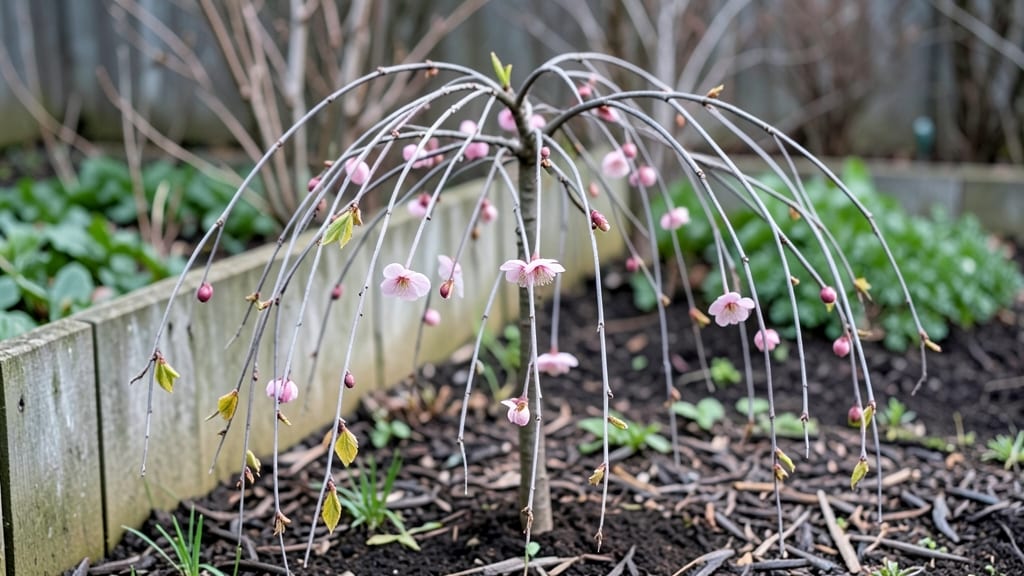
A weeping flowering peach 🌸 can turn your garden into a year-round floral masterpiece with the right care—especially when it comes to pruning.
Imagine a weeping flowering peach tree bursting with blossoms in every season—its delicate branches cascading like nature’s own chandelier. The secret? Strategic pruning that transforms ordinary peach trees into breathtaking, ever-blooming showstoppers.
In USDA Zone 6a, where early springs and late frosts can challenge growth, timing and technique are everything. A little effort now means more blooms and healthier fruit later, without the guesswork.
Below, I’ll walk you through the exact steps to prune your weeping flowering peach for maximum beauty, from when to start to the tools that make it easier.
How to prune weeping flowering peach trees for maximum blooms
Your weeping flowering peach tree is a stunning centerpiece, but its year-round blooms depend on precise pruning techniques. Unlike standard peach trees, these cascading beauties need gentle shaping to maintain their delicate branches while encouraging abundant flowers.
The key is timing—prune at the right season and focus on removing the wrong branches to keep energy flowing to blossoms.
Many gardeners mistakenly prune too aggressively, which can reduce flowering or even harm the tree’s structure. Instead, think of pruning as a conversation with your tree: remove what’s blocking sunlight or crowding branches, and let the rest thrive.
With the right approach, your tree will reward you with continuous blooms from spring through fall.
Step-by-Step Pruning Guide
- Step 1: Timing is everything Prune in late winter or early spring (just before buds swell) to avoid removing next year’s blooms. Never prune in fall or winter when the tree is dormant.
- Step 2: Remove dead or diseased branches Cut out any blackened, cracked, or fungal-covered branches first. Use sterilized pruners to prevent spreading disease.
- Step 3: Thin out crowded branches Look for crossing or rubbing branches—these compete for nutrients. Remove one of the two to improve airflow and light penetration.
- Step 4: Shape for cascading beauty Gently shorten overgrown branches by cutting just above a bud or side branch. Avoid cutting into the main trunk to preserve structure.
- Step 5: Encourage flowering branches Leave young, healthy branches (under 3 years old) to develop. These will produce the most abundant blooms in future seasons.
- Step 6: Clean up and seal cuts Remove all pruned debris from the base. Apply pruning sealant (optional) to large cuts over ½ inch wide to prevent disease.
When pruning, always use sharp, clean tools to make smooth cuts at a 45-degree angle just above a bud. This ensures the tree heals quickly and directs new growth in the right direction. Avoid topping the tree—this can lead to weak, leggy growth and fewer blooms.
For maintenance pruning throughout the year, focus on removing spent flowers after they fade. This encourages the tree to produce new blooms instead of setting fruit (which can drain energy). Light trimming in summer helps maintain the tree’s weeping shape without stressing it.
If your tree has overgrown branches that are blocking sunlight from the center, prioritize thinning these first. The inner canopy should receive at least 4-6 hours of sunlight daily to prevent fungal issues and encourage healthy flowering. Use a ladder or pole pruner for high branches to avoid straining.
After pruning, monitor your tree for new growth in the following weeks. Healthy branches will elongate slightly and develop buds for next year’s blooms. If you notice yellowing leaves or stunted growth, it may be a sign of over-pruning or nutrient deficiency.
Adjust your approach for the next season.
Pro tip: Take before-and-after photos of your pruning sessions. This helps you track progress and refine your technique over time. With patience and precision, your weeping flowering peach will become a year-round bloom machine, dazzling your garden with every season.
Remember, the goal isn’t perfection—it’s balance. A slightly messy but healthy tree will always outperform one that’s over-pruned into submission. Happy pruning! 🌸✂️🌿
Common pruning mistakes that kill weeping peach tree blooms
Your weeping flowering peach tree’s stunning spring blooms are its signature charm, but pruning mistakes can turn those cascading branches into a bare skeleton. The key is precision—cutting at the wrong time of year or removing too many flowering branches can starve your tree of next year’s blossoms.
Let’s uncover the deadly pruning errors and how to avoid them.
First, timing is everything. Pruning your weeping peach during active bloom season (late winter to early spring) removes next year’s flower buds hidden in those delicate branches. Worse yet, summer pruning can stress the tree, reducing its ability to rebloom.
Even well-intentioned cuts can backfire if you don’t know which branches to keep—and which to sacrifice.
Another silent bloom-killer? Over-pruning—especially in young trees. Removing more than 25% of the canopy in one session can shock your weeping peach, diverting energy away from flower production and toward survival.
And let’s not forget poor cut placement: leaving stubs or cutting too close to the trunk invites disease and weakens branch structure.
✅ DO THIS
- Prune in late winter/early spring (before buds swell)
- Remove dead or crossing branches first
- Cut just outside the branch collar (no stubs!)
- Limit cuts to 20-25% of canopy per session
❌ AVOID THIS
- Pruning during bloom season (kills next year’s buds)
- Removing too many flowering branches at once
- Leaving stubs or jagged cuts (invites disease)
- Pruning after heavy fruit set (reduces energy for blooms)
"A single wrong cut can rob your weeping peach of next season’s blooms—plan carefully!"
Let’s talk about branch selection. Your weeping peach relies on old wood for blooms, so avoid trimming back mature branches unless they’re dead or diseased. Instead, focus on younger growth that’s crowding the center or growing inward.
These interior branches compete for sunlight and nutrients, weakening the tree’s overall bloom potential.
One of the most costly mistakes is top-heavy pruning, where you shear the top of the tree to encourage a bushier shape. This disrupts the natural weeping habit and can lead to weak branch collapse.
Your goal should be to maintain the cascading form while improving air circulation—thin out branches to let light penetrate to the innermost blooms.
Finally, never skip sterilizing your pruners between cuts. Bacterial cankers and fungal infections spread quickly on fresh cuts, turning your pruning session into a disease outbreak. Wipe blades with rubbing alcohol or a 10% bleach solution before each cut to protect your weeping peach’s health—and its future blooms.