
How To
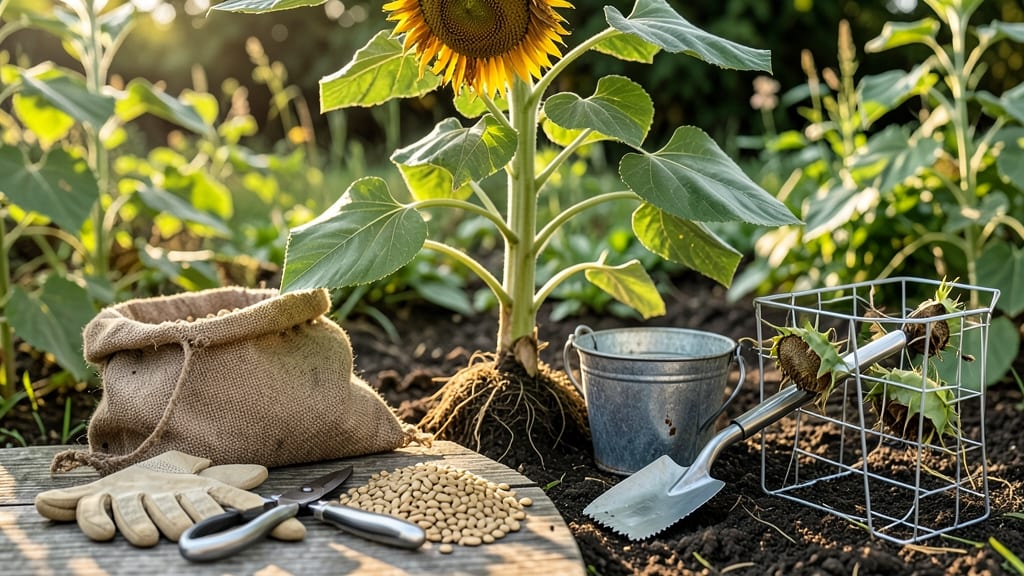
Harvesting sunflower seeds at the right time means the difference between a golden bounty and a flock of hungry birds clearing out your crop overnight.
Sunflowers may look stunning in your garden, but their real treasure lies hidden in those golden seeds—if you harvest them at the perfect moment. Miss the window, and birds will beat you to the feast, leaving you with nothing but empty heads.
Here’s how to time your harvest like a pro.
Look for the classic signs: the back of the seed head turns brown, the petals drop completely, and the seeds inside rattle when you shake the head gently. These visual cues are your green thumb’s best friends, but timing also depends on your USDA zone 6a climate and frost risk.
In this guide, I’ll walk you through the exact steps to spot the ideal harvest stage, avoid common mistakes, and preserve your seeds for months to come—so you can enjoy homegrown sunflower treats all year.


How to identify the perfect sunflower seed harvest stage
Timing your sunflower seed harvest correctly means the difference between plump, viable seeds and empty husks. The 3-4 week window after flowering is critical—wait too long, and birds will strip your heads bare. Here’s how to spot the exact moment when those seeds are ready for harvesting.
First, watch for the petal drop, which signals the start of seed maturation. Once the yellow or orange petals fall completely, the real work begins. This usually happens 8-10 weeks after planting, depending on your sunflower variety and growing conditions.
🌻
| Harvest Stage | Visual Cues | Physical Test | Timeframe |
|---|---|---|---|
| Early Maturity | Petals begin to wilt | Seed head still green | 60-70 days after planting |
| Optimal Harvest | Petals fully dropped | Back of head turns papery brown | 85-100 days after planting |
| Overripe | Seed head cracks open | Seeds scatter easily | 100+ days after planting |
| Perfect Window | Petals gone + brown back | Seeds rattle when shaken | 3-4 weeks after flowering |
Pay close attention to the back of the seed head, which should turn from green to a dull brown or tan color. This indicates the seeds inside have fully matured. If you see papery textures forming, that’s your cue to act fast—birds will spot these changes too!
Run the shake test to confirm readiness: grasp the stem and gently shake the head. If seeds rattle loudly inside, they’re fully dry and ready. If they stay silent, wait another 5-7 days before checking again.
🔊
Regional timing matters too. In cooler climates (USDA Zones 3-5), harvest sunflower seeds before the first frost, typically between late September and October. In warmer zones (Zones 7-10), you might extend harvesting until November, but monitor for moisture buildup in humid areas.
Pro tip: Harvest on a dry, sunny morning to ensure seeds stay dry during processing. Cut the entire head with 3-4 inches of stem attached—this makes hanging them for drying much easier. Avoid harvesting when dew is present, as moisture can spoil your seeds.
🌾
If you’re growing oilseed varieties (like 'NuSun' or 'Mammoth'), wait until the seed head is fully brown and the seeds are hard to the touch.
For confectionery types (like 'Russian Giant'), harvest when the back turns light brown but before the seeds darken too much—this ensures the best flavor and texture.
Finally, don’t ignore the bird activity in your garden. If you notice goldfinches or sparrows flocking to your sunflowers, it’s time to harvest immediately. These birds have a knack for spotting ripe seeds, and they’ll clean out your heads faster than you can say "seed saving."
✂️
Sunflower seed harvesting mistakes that waste your crop (and how to avoid them)
Harvesting sunflower seeds at the wrong time can turn your golden bounty into a feast for birds or shriveled scraps. I’ve seen gardeners lose entire crops by waiting too long or cutting too early—both mistakes leave you with empty seed heads or underdeveloped seeds.
The key is recognizing the 3-4 week harvest window after flowering when seeds reach peak maturity.
Even experienced growers make costly errors, like ignoring bird activity or skipping proper drying techniques. These oversights don’t just reduce yield—they can ruin seed viability for next year’s planting. Let’s break down the most common pitfalls and how to sidestep them before they cost you a single seed.
⚠️ Harvesting Too Early = Bird Buffet
Seeds harvested before the back of the head turns brown and petals fully drop won’t store well. Birds spot these half-ripe heads instantly—they’ll strip them in days, leaving you with nothing but stems. Check for these 3 signs of readiness:
- 🌾 Petals completely fallen (no lingering blooms)
- 🟤 Seed head fully brown (no green remaining)
- 🔊 Seeds rattle loudly when shaken (like a maraca!)
Another frequent mistake? Harvesting after the first frost. While sunflowers tolerate light frosts, frozen seed heads become brittle and shrink-wrapped to the stem. If you’re in USDA Zone 6a or colder, aim to harvest before October 31—that’s your 165-day frost-free deadline.
Even if seeds look mature, improper drying turns them to dust. I’ve seen gardeners rush seeds into storage at 50% humidity—the ideal range is 8-12%.
Spread heads in a well-ventilated, dry spot (like a garage with a fan) for 2-3 weeks. Skipping this step means moldy seeds that won’t sprout.
Don’t overlook bird deterrents during the harvest window. Netting over seed heads keeps squirrels and finches from turning your crop into their snack. I use lightweight garden netting secured with clothespins—it’s invisible to pollinators but blocks seed thieves. Remove it only when you’re ready to harvest!
Finally, forgetting to thresh properly wastes seeds stuck to the head. After drying, rub the head against a clean sheet or screen to release seeds. Store them in airtight containers (like glass jars) in a cool, dark place—they’ll keep for up to 3 years if handled right.