
Flowers
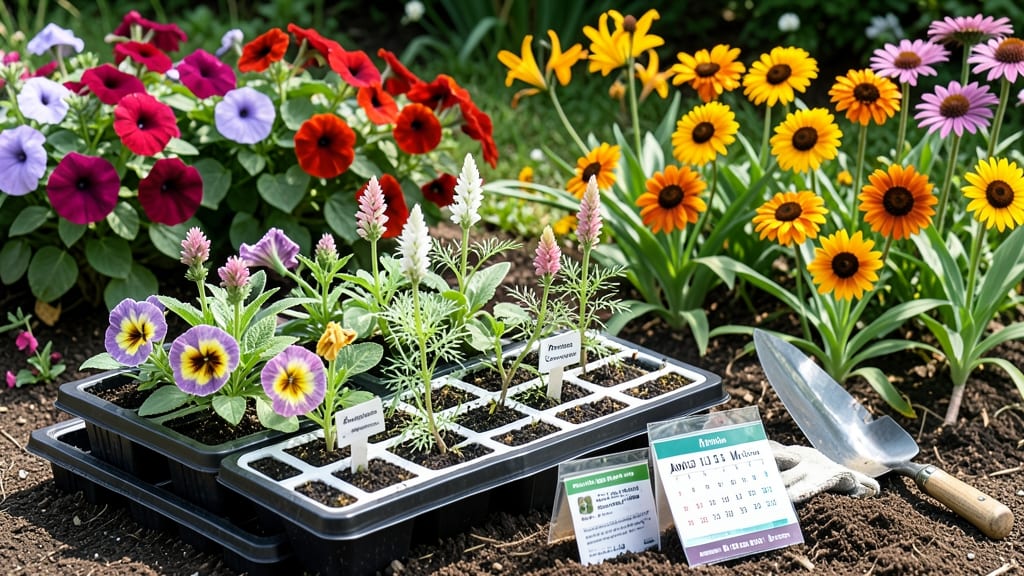
To plant flowers in Pennsylvania at the perfect time means timing your garden to avoid frost damage and maximize blooms—whether you’re in Pittsburgh’s chill or Philadelphia’s milder pockets.
Timing is everything in Pennsylvania gardening—plant too early and risk frost damage, too late and miss peak bloom season. Mastering your region’s frost-free dates ensures vibrant flowers year after year.
In USDA Zones 5-7, your best planting windows are March 15–May 15 for spring blooms and August 15–September 15 for fall favorites. But wait too long, and you’ll end up with leggy, weak stems instead of the lush 🌸 displays you’re dreaming of.
Below, I break down the exact frost-free dates by region, the best flowers to plant each month, and pro tips to stretch your season—so you can enjoy a garden bursting with color from May through October.
Pennsylvania’s frost-free dates by region: exact planting windows
Pennsylvania’s last frost dates vary dramatically across its 7 climate zones, from the southeastern warmth of Philadelphia to the northwestern chill of Erie. These differences mean your spring planting window could be 3 weeks earlier in Zone 6B (like Lancaster) than in Zone 5A (like Scranton).
Understanding your USDA zone and local microclimates—like urban heat islands or lake-effect cooling—helps you avoid frost damage while maximizing bloom potential.
For annual flowers, wait until 2-3 weeks after your region’s last frost date, when soil temps hit 60°F+. Perennials and bulbs often tolerate earlier planting, especially if you use row covers for protection.
Below, I’ve mapped out exact planting windows for Pennsylvania’s key regions, plus microclimate adjustments to help you fine-tune your schedule.
| Region | USDA Zone | Last Frost Date | First Frost Date | Spring Planting Window | Fall Planting Window |
|---|---|---|---|---|---|
| Southeast (Philadelphia, Reading) | 6B-7A | April 15–May 1 | October 10–15 | April 20–May 15 | August 1–September 10 |
| Central (Harrisburg, Lancaster) | 6A-6B | April 1–April 15 | October 15–20 | April 25–May 10 | August 15–September 5 |
| Northeast (Pittsburgh, Erie) | 5B-6A | April 10–April 25 | October 20–25 | May 1–May 15 | August 20–September 1 |
| Northwest (State College, Altoona) | 5A-5B | April 20–May 5 | October 25–November 1 | May 10–May 25 | August 25–August 31 |
| Southwest (Johnstown, Williamsport) | 5A-6A | April 15–April 30 | October 15–20 | May 1–May 15 | August 15–September 1 |
| South Central (York, Chambersburg) | 6A-6B | April 5–April 20 | October 10–15 | April 25–May 10 | August 10–September 5 |
| North Central (DuBois, Clearfield) | 5A | May 1–May 15 | October 25–November 5 | May 20–June 1 | August 25–September 1 |
In Zone 6B-7A (like Philadelphia), you can plant cool-season annuals like pansies and snapdragons as early as March 15, while tender perennials such as coleus or begonias should wait until May 1.
For bulbs, plant tulips and daffodils in October-November—6-8 weeks before the first frost—to ensure robust spring blooms.
Microclimates play a huge role: Urban areas (like Pittsburgh) often warm up 1-2 weeks earlier than rural zones due to heat islands, while mountainous regions (like the Poconos) can delay frost-free dates by 3 weeks. Check local
Best flowers to plant by month in PA: month-by-month guide
Pennsylvania’s variable climate makes timing critical for flower success. From cold-hardy spring bulbs to heat-loving summer annuals, each month offers unique opportunities. I’ll break down the best flowers to plant by month, tailored for USDA Zones 5-7, with regional adjustments for early vs. late frost areas.
Start with March, when daffodils and tulips can be planted as soon as the ground thaws. By May, you’ll shift to hardy annuals like petunias and marigolds.
Even fall planting (August-October) rewards you with pansies and mums that thrive in cooler weather. Let’s dive into the month-by-month planting schedule that keeps your PA garden blooming all season.
March
Plant spring bulbs like tulips and hyacinths (Zone 5-7). Add cold-hardy perennials such as peony and bleeding heart.
April
Sow cool-season annuals like pansies and snapdragons. Transplant hardy perennials such as lavender and coreopsis.
May
Plant summer-blooming annuals like petunias, marigolds, and zinnia. Start geraniums and salvia in containers.
June-July
Add heat-tolerant flowers like cosmos, sunflowers, and black-eyed Susans. Succession plant basil and nasturtiums for continuous blooms.
August
Plant fall-blooming annuals like mums and asters. Start cool-season veggies alongside pansies for early spring color.
September-October
Extend the season with hardy mums, chrysanthemums, and ornamental kale. Plant spring bulbs like tulips for next year.
For Zone 5 gardeners (like Pittsburgh), wait until mid-May for tender annuals like geraniums, while Zone 7 areas (like Philadelphia) can plant marigolds as early as late April. Always check your local frost dates—I recommend using the National Weather Service or Old Farmer’s Almanac for precise timing.
Don’t forget to prep your soil before planting. Amend with compost for spring bulbs and use mulch to protect fall-planted flowers from early frosts. With this month-by-month guide, your PA garden will stay vibrant from spring daffodils to fall mums.
Pro tip: Use row covers for early spring or late fall plantings to extend your