
Succulent
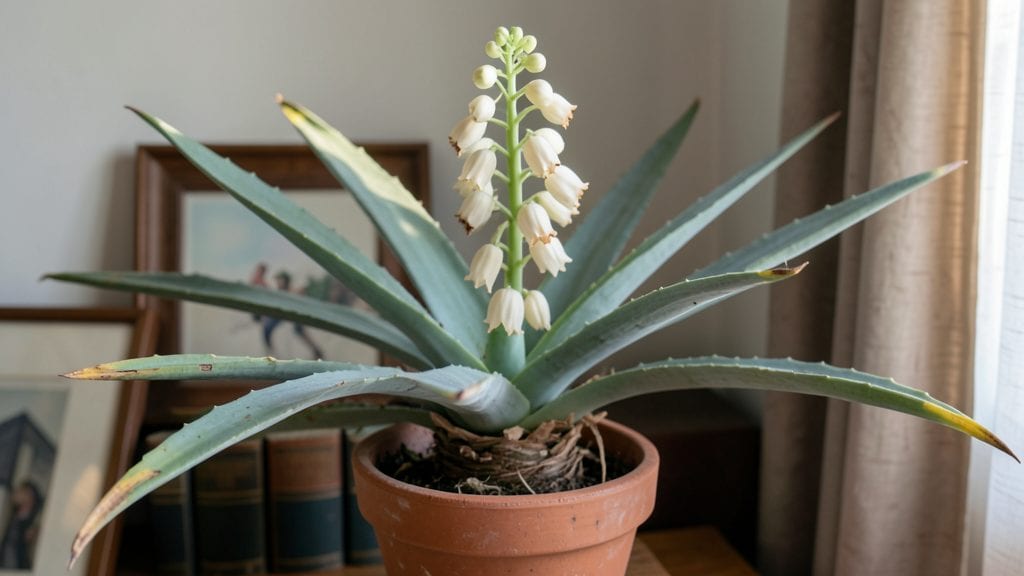
Your yucca flower blossom will transform your garden into a striking centerpiece—but only if you know the exact timing and conditions to coax it into bloom.
Watching a yucca plant burst into dramatic, candle-like blossoms is a gardener’s dream—but when will your yucca flower bloom? Timing everything from planting to flowering requires patience and the right conditions.
In USDA Zone 6a, planting your yucca in spring (April–May) sets the stage for blooms in 3–7 years, depending on sunlight, soil, and care. The key? Full sun, well-draining soil, and a little winter dormancy to trigger those iconic flower stalks.
Below, I’ll walk you through the signs your yucca is ready to bloom, how to encourage flowers faster, and the common mistakes that keep blooms from appearing—so you can enjoy your 🌵’s showstopping display sooner.
Yucca flowering timeline: how long until blooms appear after planting?
If you’ve planted a yucca hoping for those iconic candle-like blooms, timing is everything. Most yuccas take 3 to 7 years from planting to their first flower, but this varies based on whether you started with a seed, transplant, or mature plant.
Understanding the growth stages helps set realistic expectations and adjust care to encourage blooms faster.
For yucca seeds, the journey begins with a tiny sprout that may take 1 to 2 years just to establish roots before focusing on foliage growth. Transplants, especially those 1-year-old or older, can flower sooner—sometimes within 2 to 3 years—if given ideal conditions.
Mature yuccas, already 3 feet tall, may bloom in as little as 1 year after planting, but this is rare.
Here’s the key: Yuccas prioritize root and leaf growth before flowering. Skipping this phase by over-fertilizing or overwatering can delay blooms indefinitely. Patience and the right conditions are your best tools for triggering those dramatic white or pale green flowers that tower above the foliage.
| Stage | Timeframe | Key Actions | Bloom Readiness |
|---|---|---|---|
| Seed Germination | 6–12 months | Warm soil, indirect light | Not applicable |
| Seedling Growth | 1–2 years | Full sun, minimal water | Not applicable |
| Established Foliage | 2–4 years | Prune dead leaves, reduce water | Pre-bloom phase |
| Flower Stalk Emergence | 3–7 years | Full sun, balanced fertilizer | Ready to bloom |
| First Bloom | Spring (varies by zone) | Support stalk if heavy | Full maturity |
The flower stalk is your first clue that blooming is near. It emerges from the center of the plant in late winter or early spring, growing 2 to 6 feet tall before the buds open.
This stalk can appear suddenly—sometimes overnight—so keep an eye out for the tight, bulbous buds forming at the tip. Once the stalk is fully extended, expect blooms within 1 to 2 weeks.
Environmental factors like temperature swings and daylight hours trigger flowering. Yuccas native to USDA Zones 4–10 rely on cooler winters followed by warm springs.
If you’re in a warmer zone (Zone 9–10), your yucca might bloom in winter or early spring, while those in cooler zones (Zone 4–6) typically flower in late spring.
Light is non-negotiable: 6+ hours of direct sunlight daily is essential for flower production. Without enough light, your yucca will focus on leaf growth and skip blooming entirely. If your plant is indoors or in partial shade, supplement with grow lights for 12–14 hours/day to mimic natural conditions.
Even a south-facing window won’t cut it—yuccas need intense light to trigger flowering.
Soil quality also plays a role. Yuccas thrive in well-draining, sandy soil with a pH of 6.0–7.5. Amend heavy clay soil with perlite or coarse sand to prevent root rot, which can stress the plant and delay blooms.
A light feeding in early spring with a low-nitrogen fertilizer (5-10-10) supports flower development without encouraging excessive foliage growth.
Pruning can also influence timing. Remove dead or damaged leaves year-round to redirect energy, but avoid heavy pruning in late summer or fall, as this can disrupt the plant’s natural dormancy cycle.
Dormancy is crucial—yuccas need a cool, dry period (even in warm climates) to signal the body to shift from growth to flowering. In indoor settings, mimic this by reducing water and moving the plant to a cooler spot (50–60°F) for 6–8 weeks before spring.
Patience is your ally. A 3-year-old yucca might still be building its root system, while a 5-year-old plant in perfect conditions could surprise you with its first bloom. Track your plant’s progress with a growth journal, noting leaf color changes, stalk emergence, and seasonal adjustments.
Over time, you’ll learn your yucca’s unique rhythm—and soon, you’ll be
Signs your yucca is ready to bloom (and how to encourage flowers)
Yucca plants are known for their striking, architectural foliage, but their yucca flower blossom is the true showstopper. These dramatic, candle-like flowers emerge after years of patience—but how do you know when your plant is ready?
Look for these key indicators that your yucca is preparing to bloom, and learn how to create the perfect conditions to encourage those stunning flowers.
First, observe your plant’s leaf color and texture. Healthy yucca leaves should be a vibrant green, but just before flowering, you might notice a slight darker green or bluish tint along the edges.
This color shift signals that your plant is storing energy for the bloom cycle. Additionally, the leaves may feel slightly firmer and thicker as they prepare for the energy demands of flowering.
- 🌱 1. Flower Stalk Emergence: A thick, woody flower stalk (often called a "scape") rises from the center of the plant. This stalk can grow 3-6 feet tall and is your first visual cue that blooms are coming.
- 🌿 2. Leaf Color Shift: Leaves develop a darker green or bluish hue along the edges, indicating energy storage for flowering. Avoid fertilizing during this phase—it can delay blooms.
- 🪴 3. Root System Maturity: Mature yucca roots (typically 3-7 years old) are dense and fibrous. If your plant is pot-bound, repot it into well-draining soil to reduce stress.
- ☀️ 4. Sunlight Exposure: Yuccas need 6+ hours of direct sunlight daily. If your plant isn’t getting enough light, it may produce fewer or no flowers. Move it to a sunnier spot if needed.
- ✂️ 5. Pruning Old Growth: Remove dead or yellowing leaves in early spring. This redirects energy toward new growth and flowering. Avoid heavy pruning during bloom season.
Once you spot a flower stalk emerging, your yucca is likely just weeks away from blooming. These stalks can appear suddenly, so keep an eye out—especially in late spring or early summer, when yuccas are most active.
To encourage stronger stalks, ensure your plant has well-draining soil and isn’t overwatered. Yuccas are drought-tolerant, so water deeply but infrequently (every 2-3 weeks) to avoid stress.
If your yucca isn’t showing signs of flowering after 3-5 years, it may need a little extra encouragement. Try reducing water slightly in late summer to mimic its natural dormancy period.
This stress can trigger flowering in some varieties. Additionally, a light application of phosphorus-rich fertilizer (like a 5-10-10 blend) in early spring can promote bloom development without overfeeding the plant.
Remember, yucca flowers are ephemeral—they last only 1-2 weeks but are worth the wait. Once the blooms fade, you can prune the stalk at the base to keep your plant looking tidy.
With the right care, your yucca will reward you with year-after-year blooms, making it a true garden star.