
Plants
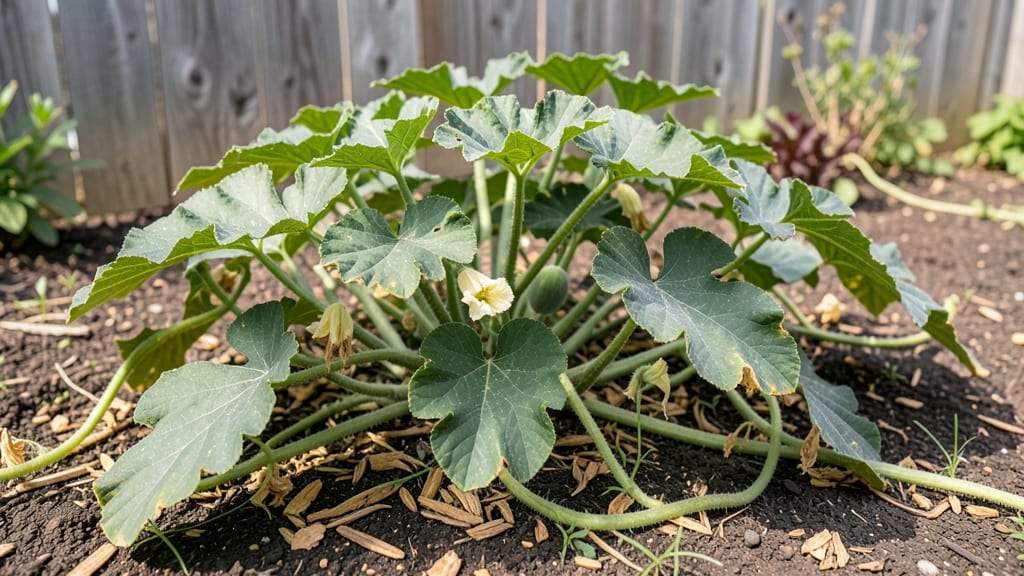
Those bright yellow cantaloupe plant flowers 🍉 are your first sign that sweet fruit is on the way—but how soon can you really expect melons?
Seeing them pop up is exciting, but the wait for ripe cantaloupe isn’t always straightforward. Some plants set fruit in just 7 days, while others take weeks—or never produce at all if pollination fails.
The good news? With the right care, you can turn those blooms into a bountiful harvest faster than you think.
In this guide, I’ll break down exactly how long after flowering you can expect fruit, what to watch for when things go wrong, and the simple tricks to boost your cantaloupe’s success.
Whether you’re dealing with Zone 6 heat or just curious about the timeline, you’ll know exactly what to do to get those melons ready for July harvests.
From hand-pollination hacks to soil secrets, here’s how to turn those flowers into the juiciest cantaloupe of the season—without the guesswork.
How long after cantaloupe flowers appear before fruit forms
Once those vibrant yellow cantaloupe flowers bloom, you might expect fruit to appear almost immediately—but biology has other plans. On average, it takes 7 to 14 days after successful pollination for the first signs of fruit development to show.
However, this timeline can shift based on temperature, humidity, and even the plant’s overall health. Understanding this process helps you set realistic expectations and troubleshoot delays before they become problems.
The journey from flower to fruit begins when pollen fertilizes the flower’s ovary, triggering cell division and fruit formation. In ideal conditions—75°F to 85°F and 40-60% humidity—you’ll see tiny green fruit bumps within 5-7 days.
These bumps grow rapidly, reaching 1-2 inches in just 10-14 days if all factors align. But if your garden is too hot, too cold, or lacking in nutrients, this process can stall or slow dramatically.
| Stage | Days After Flowering | Visible Signs | Ideal Conditions |
|---|---|---|---|
| Pollination | Day 0-2 | Flower wilts slightly | 75°F-85°F, bees active |
| Fruit Initiation | Days 3-7 | Small green bump forms | 60-70°F, consistent water |
| Rapid Growth | Days 8-14 | Fruit reaches 1-2 inches | 75°F+, balanced nutrients |
| Fruit Set | Days 15-21 | Fruit firm, netting visible | Humidity 40-60%, no stress |
| Maturity | Days 60-90+ | Yellow-orange rind, sweet scent | Warm nights, full sun |
If your cantaloupe flowers aren’t converting to fruit within 2 weeks, don’t panic—but do investigate. Poor pollination is the #1 culprit, especially in greenhouse settings or areas with few bees. Cantaloupes are self-pollinating, but they rely on wind, bees, or gentle vibrations to transfer pollen.
Without this, flowers may drop off without fruiting. I’ve seen gardens where hand-pollination with a soft paintbrush boosted fruit set by 50% or more.
Temperature also plays a critical role. Cantaloupes thrive in warmth, but extreme heat—above 95°F—can cause flower drop or stunted fruit. Similarly, cold nights below 55°F slow pollination and growth.
In my Zone 6 garden, I’ve noticed that cantaloupe fruit development stalls entirely if nighttime temps dip below 60°F for more than a few days. A simple row cover can make all the difference in cooler climates.
Humidity matters too. Low humidity (30% or below) can cause flower desiccation, while high humidity (> 70%) may encourage fungal diseases like powdery mildew, which weakens the plant.
I once grew cantaloupes in Arizona’s dry heat and saw fruit set 3 weeks slower than in humid Florida, despite similar daytime temps. The key is finding that sweet spot of 40-60% humidity for optimal fruit development.
Nutrient deficiencies can also delay fruit formation. Cantaloupes are heavy feeders, especially during flowering and fruiting. A lack of phosphorus or potassium can lead to small, misshapen fruit or even no fruit at all. I’ve had success using a balanced 10-10-10 fertilizer every 3-4 weeks once flowers appear.
Additionally, calcium deficiencies can cause blossom-end rot in developing fruit, so a side-dressing of crushed eggshells or lime can help prevent this issue.
Patience is key when waiting for cantaloupe fruit to form. While the first signs of fruit may appear in 7-14 days, it takes 60-90 days total from flowering to harvest.
Tracking your plant’s progress with a garden journal can help you spot patterns—like which flowers set fruit fastest or which conditions lead to delays.
For example, I’ve noticed that morning-glory-colored flowers (the male flowers) often precede the yellow female flowers, which is your first clue that fruit is on the way.
Finally, remember that not all flowers will produce fruit. Cantaloupes often drop excess flowers to focus energy on the strongest developing fruit. This is normal! Focus on supporting the health of the plant—providing consistent water, full sun, and proper nutrients)—and let nature do the rest.
With the right conditions, you’ll soon be harvesting those sweet, ripe cantaloupes you’ve been waiting for.
Signs your cantaloupe flowers aren’t producing fruit (and how to fix it)
If your cantaloupe plant flowers are blooming but no fruit appears, don’t panic—this is a common issue with solutions! First, check if the flowers are male or female.
Female flowers have a tiny fruit at their base, while males don’t. Only female flowers develop into melons, so focus on them for troubleshooting.
Pollination problems are often the culprit, especially in greenhouse settings or areas with few bees. Without proper pollination, female flowers simply wilt and drop without forming fruit. Even in outdoor gardens, environmental stressors like extreme heat or poor soil nutrients can disrupt fruit set.
Your cantaloupe flowers may look healthy, but these issues can block fruit development:
- No bees → Flowers remain unpollinated (common in greenhouses or early spring).
- Overwatering → Weakens flowers, causing them to drop before pollination.
- Nutrient deficiency → Lack of phosphorus or potassium stunts fruit formation.
- Temperature extremes → Below 55°F or above 95°F halts pollination.
Act now: Hand-pollinate flowers daily and check soil moisture and nutrients!
Start by hand-pollinating your cantaloupe flowers if you notice they’re not setting fruit. Use a small paintbrush or cotton swab to transfer pollen from male flowers (no fruit base) to the female flowers (with a tiny melon at the base).
Do this in the morning when flowers are open, and repeat every 2-3 days during blooming season.
Next, inspect your soil and plant health. Cantaloupes need well-draining soil rich in organic matter and a balanced 10-10-10 fertilizer. If your plants look yellow or wilted, they may need more nutrients.
Conduct a soil test to check pH (ideal: 6.0-6.8) and adjust with compost or lime if needed.
Environmental stressors like drought or excessive heat can also prevent fruit set. Ensure your cantaloupes receive 1-2 inches of water weekly, focusing on the soil base rather than the leaves. Mulch around plants to retain moisture and regulate soil temperature, which encourages healthier flower development.
Finally, prune your cantaloupe vines to improve airflow and reduce stress. Remove any yellowing or diseased leaves and trim back overgrown vines to direct energy toward fruit production. Healthy vines with strong female flowers are more likely to set fruit consistently.
With these fixes—hand-pollination, soil adjustments, and proper care—your cantaloupe plants should start producing fruit within 2-4 weeks. Keep an eye on your flowers and vines, and don’t hesitate to troubleshoot further if issues persist! 🌱