
Trees
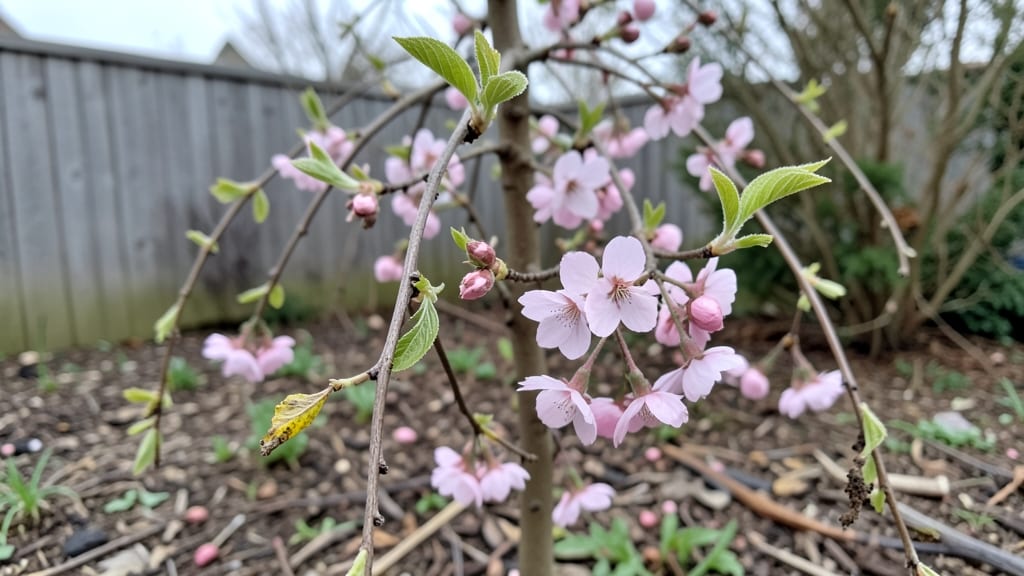
The early pink flowering peach 🍑 is a standout in any orchard, but its fruit bounty depends on smart pruning—especially if you want those blush-pink blooms to turn into juicy peaches.
If you’ve ever watched your peach tree struggle with sparse fruit after a heavy bloom, you’re not alone. The key isn’t just when you prune—it’s how you shape the tree to balance growth and flowering zones.
Get this right, and you’ll turn a promising spring canopy into a harvest of sweet, ripe peaches by summer.
Most gardeners prune in late winter, but the early pink flowering peach has unique needs tied to its blooming cycle. We’ll break down the exact timing, tools, and techniques to avoid common mistakes—like over-thinning branches or pruning at the wrong time—that can leave your tree stressed and fruitless.
By the end, you’ll know the three critical pruning windows for your USDA Zone 6a tree, how to spot over-pruned branches, and even how to encourage more blooms next season. Let’s get started.
Best pruning timeline for early pink flowering peach trees by season
Pruning your early pink flowering peach tree at the right time is crucial for maximizing fruit production and tree health. Unlike other fruit trees, peaches bloom early, so timing matters—cut too early, and you risk removing next year’s flower buds.
Too late, and you may stress the tree before harvest. Let’s break down the seasonal pruning windows to keep your tree thriving.
Your USDA hardiness zone plays a key role in pruning timing. In warmer zones (7-10), you might prune slightly earlier, while colder zones (5-6) require waiting for frost-free conditions.
Always prune when the tree is dormant or after harvest to avoid disrupting flowering and fruiting cycles. Let’s dive into the ideal schedule.
Your dormant-season pruning (late winter) is the most critical time for early pink flowering peach trees. This is when you remove up to 25% of the previous year’s growth to encourage strong new branches and fruit production.
Focus on removing dead, diseased, or crossing branches first—these compete with healthy growth and reduce airflow, increasing disease risk.
In USDA zones 5-6, aim to finish dormant pruning by early February to avoid late frosts damaging fresh cuts. Warmer zones (7-10) can prune slightly later, but never after buds begin to swell in spring.
Use sterilized pruning shears to prevent bacterial infections like peach leaf curl, a common issue for these trees.
After harvest (typically July-August), perform light summer pruning to remove water sprouts and thin out dense areas. This improves airflow and reduces humidity-related diseases. Avoid heavy pruning now—it stresses the tree before winter. Instead, focus on corrective shaping to maintain an open canopy for sunlight penetration.
For young peach trees (under 3 years old), prioritize structural pruning to establish a strong framework. Remove competing leaders and train branches to form a central scaffold. Older trees benefit from renewal pruning, where you gradually replace older wood with younger, more productive branches to boost fruit yield.
Never prune during active flowering or immediately after—this disrupts energy flow to fruit development. If you must prune in summer, do so on a cool, overcast day to minimize stress. Always make cuts just outside the branch collar to promote faster healing and reduce infection risk.
Pro tip: Mark your pruning calendar with local frost dates to adjust timing. In my Zone 7 garden, I prune dormant trees in late February and summer-prune after August harvest. This schedule keeps my early pink flowering peach producing bountiful fruit year after year.
Watch for new growth after pruning—this indicates the tree is recovering well. If you see yellowing leaves or stunted growth, you may have pruned too aggressively. Adjust your approach for next season by reducing cut intensity by 10-15%.
Finally, clean up all pruned branches and sterilize your tools with a 10% bleach solution to prevent disease spread. Store pruners in a dry place for next season. With this seasonal pruning timeline, your early pink flowering peach tree will thrive and reward you with abundant, flavorful fruit.
How to prune early pink peach trees for health and fruit production
Pruning your early pink flowering peach tree isn’t just about shaping—it’s about boosting fruit production and keeping the tree healthy. When done right, pruning improves airflow, reduces disease risk, and directs energy toward bigger, sweeter peaches.
Start by focusing on three key goals: removing dead or diseased wood, thinning crowded branches, and opening the canopy for sunlight. The best time to prune is late winter or early spring, just before buds swell, but summer light pruning can also help.
Before grabbing your pruning shears, take a close look at your tree’s structure. Early pink peach trees produce fruit on both old and new wood, so avoid heavy pruning that removes too many flowering spurs.
Aim to open the center of the tree by thinning rather than topping. This prevents shade and rot while encouraging fruit-bearing branches to grow outward. Remember, less is more—peach trees recover slowly from aggressive cuts.
⚠️ Critical Pruning Warning for Early Pink Peach Trees
Never prune during wet or freezing conditions—this invites bacterial canker, a deadly disease for peach trees. Also, avoid pruning after harvest (July-August) as new growth won’t harden before winter. If you must prune in summer, limit cuts to 10% of the canopy to prevent stress. Disinfect tools between cuts with rubbing alcohol to stop disease spread.
Start by removing dead, diseased, or crossing branches. Use clean, sharp pruners to make cuts just outside the branch collar (the swollen area where the branch meets the trunk). Dead wood is easy to spot—it’s brown, brittle, or lacks buds.
Next, thin out crowded branches to improve sunlight penetration. Look for branches growing straight up or inward—these compete for resources and block airflow. Remove every other branch in dense clusters to open the tree’s center.
Shape your early pink peach tree into an open-center form to maximize fruit production. This means keeping the center slightly hollow while encouraging outward growth. Focus on 3-5 main scaffold branches spaced evenly around the trunk.
These branches should originate within 24 inches of the ground and angle outward at 45-60 degrees. Avoid "lion’s tailing" (cutting back to a stub)—this invites disease and weak growth.
Balance is key when pruning fruit-bearing zones. Peach trees flower on spurs (short, stubby branches) and one-year-old wood. Never remove more than 25% of the canopy in one season, or you’ll reduce next year’s fruit.
If your tree has too many water sprouts (fast-growing vertical shoots), prune them back to a lateral branch. These shoots steal energy from fruit production but can be redirected if pruned early.
After pruning, seal larger cuts (over ½ inch thick) with pruning sealant to prevent disease entry. Monitor the tree for new growth in spring—healthy branches should leaf out within 2-3 weeks.
If you notice yellowing leaves or stunted growth, you may have pruned too aggressively. Adjust next year’s cuts to be gentler. With consistent pruning, your early pink peach tree will reward you with abundant, flavorful fruit for years.