
Shrubs
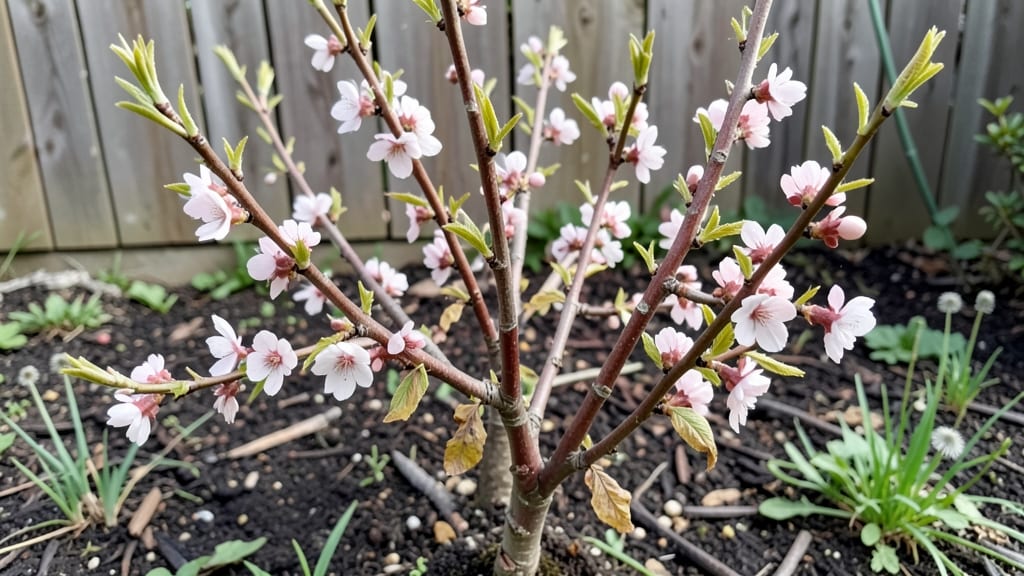
Growing a pink flowering almond shrub 🌸 means waking up to clouds of delicate pink blooms—but only if you know the right pruning tricks.
The stunning pink flowering almond shrub (Prunus triloba) can transform your garden into a springtime masterpiece—but only if you master its pruning secrets. Without proper care, its breathtaking blooms can fade quickly, leaving you with sparse foliage and missed opportunities for year-round beauty.
If you’ve ever watched your shrub’s flowers dwindle after just a few weeks, you’re not alone. The key to longer, showier blooms lies in when and how you prune, not just how much.
A little strategic trimming in late winter can double your flower power, while the wrong cuts will leave you with leggy branches and fewer blooms.
In this guide, I’ll walk you through the exact timing, tools, and techniques to keep your pink flowering almond thriving—so you can enjoy that dreamy spring display for years to come.
When and how to prune pink flowering almond for maximum blooms
The pink flowering almond shrub (Prunus triloba) thrives when pruned at the right time and with the right techniques. This spring-blooming beauty needs careful attention to encourage abundant pink flowers year after year.
The key is timing—prune too early or too late, and you risk reducing next year's blooms or stressing the plant. I’ve learned through experience that late winter to early spring is the sweet spot for pruning this shrub.
Pruning isn’t just about cutting back; it’s about shaping the shrub to improve airflow, remove dead wood, and encourage new growth where you want it. A well-pruned pink flowering almond will reward you with longer bloom seasons and a healthier, more compact shape.
Let’s dive into the exact steps and tools you’ll need to achieve that perfect balance.
Step-by-Step Pruning Guide for Pink Flowering Almond
-
Step 1: Gather Your Tools
Clean, sharp pruning shears (for small branches), loppers (for thicker stems), and disinfectant (to prevent disease spread). -
Step 2: Wait for Dormancy
Prune after the last frost date (typically late February to early March in most USDA zones 6-8). This ensures the plant isn’t actively growing. -
Step 3: Remove Dead or Diseased Wood
Cut out dead branches or those with signs of disease (e.g., black spots, mold) first. These can spread and harm healthy growth. -
Step 4: Thin Out Crowded Branches
Look for crossing or rubbing branches—remove one of the two to improve airflow and reduce disease risk. -
Step 5: Shape the Shrub
Cut back overly long branches by up to one-third to encourage bushier growth. Focus on outer branches to maintain an open center. -
Step 6: Clean Up
Remove all pruned debris from the area and sterilize your tools with rubbing alcohol to prevent contamination.
Timing is everything when it comes to pruning your pink flowering almond. If you prune in late summer or fall, you risk encouraging new growth that won’t harden off before winter, leaving the plant vulnerable to frost damage.
Conversely, pruning too early in winter can expose the shrub to cold stress. The goal is to prune just as the plant begins to stir from dormancy but before the buds swell.
Another critical tip is to avoid heavy pruning in the first few years after planting. Young shrubs are still establishing their root systems, and aggressive pruning can stress the plant unnecessarily. Focus on light shaping and removing only the most problematic branches during the first two years.
For established shrubs, you can also perform a light pruning session in late spring (after flowering) to remove any spent blooms or weak growth. This keeps the shrub tidy and encourages a second flush of flowers in some cases.
However, never prune more than 25% of the plant’s foliage in any single session to avoid shocking the shrub.
One of my favorite tricks for maintaining a pink flowering almond is to use sharp, clean tools every time. Dull shears can tear branches, which creates larger wounds and increases the risk of disease.
Always disinfect your tools with a 10% bleach solution or rubbing alcohol before and after pruning to keep your shrub healthy.
After pruning, give your shrub a light layer of mulch (2-3 inches) around the base to retain moisture and regulate soil temperature. This helps the plant recover faster and reduces stress.
Pair this with a balanced fertilizer (like 10-10-10) applied in early spring to give your pink flowering almond the nutrients it needs for vibrant blooms.
Finally, observe your shrub over the next few weeks. If you notice yellowing leaves or stunted growth, it may be a sign of over-pruning or nutrient deficiency. Adjust your approach for next year—sometimes less is more when it comes to pruning these delicate beauties.
Common pruning mistakes that kill pink flowering almond blooms
Your pink flowering almond shrub (Prunus triloba) thrives on precise pruning, but even small mistakes can rob you of its stunning spring blooms. I’ve seen gardeners accidentally turn vibrant pink canopies into sparse, leggy shrubs by making these critical pruning errors.
Let’s fix them before your next pruning session.
Timing is everything with pink flowering almonds. Pruning at the wrong time—like mid-summer or late fall—can shock the plant and trigger reduced flowering next year. I’ve learned the hard way that late winter/early spring is the only safe window for major cuts.
Even a light trimming after blooms fade can help, but aggressive cuts now will backfire.
Here’s the most damaging mistake: over-pruning. I’ve seen gardeners cut back 30-50% of growth in one go, thinking it promotes bushier growth. Instead, it stresses the plant, leaving it with fewer blooms and weak stems. Your goal should be 15-20% reduction per year—never more—to keep those pink blossoms coming.
✂️ Pruning Pink Flowering Almond: Correct vs. Incorrect
| Mistake | Why It Fails | Correct Approach |
|---|---|---|
| Pruning in summer | Removes flower buds for next year; stresses plant. | Prune late winter (before buds swell) or lightly after blooms. |
| Cutting old wood aggressively | Kills bloom-producing stems; shrub becomes leggy. | Remove only dead/diseased wood; keep 3-4 year-old stems. |
| Using dull tools | Tears bark; invites disease and pests. | Use sharp, sterilized pruners; clean cuts heal faster. |
| Ignoring thinning cuts | Creates dense center with fewer blooms. | Open canopy by removing 1-2 oldest stems annually. |
🌸 Pro Tip: Always prune on a dry, sunny day to reduce disease risk.
Another silent killer is pruning too close to branches. When you leave stubs or cut into old wood, the shrub wastes energy trying to heal, leaving less for next year’s blooms.
I now make sure every cut is just outside the branch collar—the swollen area where branches meet the stem. This ensures clean wounds and faster recovery.
Don’t forget about young shrubs. Many gardeners skip pruning them, thinking they don’t need it. But light shaping in their first few years encourages a stronger structure for future blooms. Focus on removing crossing branches and weak growth to build a balanced framework early on.
Finally, post-pruning care matters just as much as the cuts themselves. After pruning, I always water deeply and apply a layer of mulch to retain moisture.
This helps the shrub recover faster and sets it up for abundant pink blooms next spring. Avoid heavy fertilizer right after pruning—it can burn new growth.