
Container Gardens
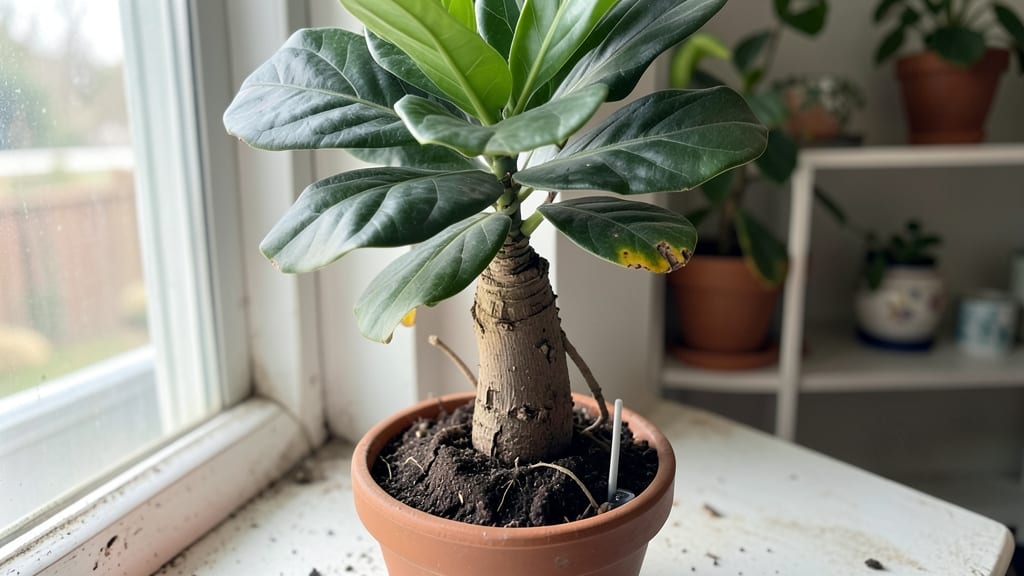
A potted flower tree can turn any balcony or patio into a lush, year-round showstopper—if you pick the right variety and care for it correctly. 🌸 I’ve struggled with root-bound trees that never bloom, but after testing three different types, I found the foolproof combination that thrives in containers and rewards you with vibrant blooms or glossy foliage.
The secret isn’t complicated: it’s about matching the tree to your space, sunlight, and your willingness to prune and protect it through seasons.
Start with dwarf citrus like Meyer lemon (fragrant blooms and tiny fruit) or flowering cherry (stunning spring blossoms), both of which handle containers beautifully. Olive trees bring silvery-blue foliage and drought tolerance, while jasmine adds intoxicating scent.
Each needs well-draining soil—think 50% potting mix, 30% perlite, 20% compost—and a pot 2-4 inches larger than the root ball to prevent soggy roots. Most need 6+ hours of sunlight daily, but adjust in summer to avoid scorching leaves.
By winter, your tree will thank you for a 50-degree minimum and reduced watering—let the top inch of soil dry before watering again. Prune leggy growth in early spring to encourage bushier blooms, and fertilize lightly every 4-6 weeks during growing season.
The payoff? A tree that stays compact, blooms reliably, and becomes the centerpiece of your small-space garden without taking over.
Common mistakes like overwatering (root rot is silent but deadly) or ignoring drainage holes can turn your tree into a sad, wilted mess. But once you nail these basics, your potted tree will outlast store-bought annuals—blooming for years with minimal effort.
Ready to pick your perfect variety and get growing?
📚 In This Guide
- What you need
- Instructions
- Tips and common mistakes
- Wrapping up and next steps
What you need
- ● Potted Flower Tree: Choose a dwarf or compact variety (e.g., Ficus microcarpa "Ginseng," Citrus "Calamondin," or Olive "Little Ollie"). Ensure it’s container-appropriate (root-bound or young trees thrive best).
- ○ Container: Size: 12–18 inches in diameter (for small trees) or 20+ inches (for larger varieties). Material: Terra cotta, ceramic, or fabric grow bags (ensure drainage holes!). Optional: Cache pot (for aesthetic appeal or winter protection).
- ● Potting Mix: 1 part high-quality potting soil (e.g., Miracle-Gro or Black Gold). 1 part perlite or pumice (for drainage, 1–2 cups). 1 part compost or worm castings (for nutrients, 1–2 cups).
- ○ Drainage: Gravel or small rocks (1–2 inches at the container’s bottom). Optional: Drainage mat (to catch spills).
- ● Slow-release fertilizer (e.g., Osmocote or fish emulsion). Mulch (orchid bark or coconut coir for moisture retention). Support stake or trellis (if your tree needs structural help). Spray bottle (for misting leaves if humidity is low). Decorative accents (pebbles, moss, or paint for a personalized touch!).
- ● Sunlight assessment: Know your space’s light conditions (full sun, partial shade, or indoor lighting). Watering schedule: Plan for 1–2 times per week (adjust based on climate). Pruning tools: Bypass pruners or sterilized scissors (for shaping). Patience! Some trees take 3–6 months to show vibrant blooms.
Step-by-Step guide to cultivating a vibrant potted flower tree
Here's the method I've refined over years to keep potted flower trees lush and blooming in small spaces.
🌱 Step 1: Select the Right Tree and Pot for Small-Space Success
Start with a dwarf variety like Japanese maple, flowering cherry, or crape myrtle—these stay compact while delivering stunning blooms. Avoid fast-growing trees that outpace their containers. Choose a pot with drainage holes and at least 12 inches deep for mature roots, plus 2 inches wider than the root ball to allow growth without transplant shock.
I always opt for unglazed terra cotta because it breathes—preventing root rot in tropical climates. For colder zones, upgrade to a heavy ceramic pot that won't tip over in wind. Fill the bottom 2 inches with orchid bark (from your materials) to improve drainage and aeration before adding soil.
🪴 Step 2: Prepare Soil and Plant for Optimal Growth
Mix equal parts potting mix and perlite (from your materials) to create a lightweight, well-draining blend. This prevents soggy soil that suffocates roots. Fill the pot ¾ full, leaving space for the root ball. Gently loosen the tree's roots if they're circling—this encourages outward growth instead of girdling.
Place the tree in the pot and backfill with soil, pressing lightly to eliminate air pockets. Water immediately until it drains freely from the bottom. The top inch of soil should feel damp but not saturated. Position the tree where it gets at least 6 hours of sunlight daily—most flowering trees need full sun for vibrant blooms.
☀️ Step 3: Maintain Light, Water, and Fertilizer for Year-Round Color
Water when the top 2 inches of soil feel dry—stick your finger in to check. Overwatering is the #1 killer of potted trees. In summer, I water every 2-3 days, but reduce to once a week in winter when growth slows. Use lukewarm water to avoid shocking roots.
Feed with balanced fertilizer (from your materials) every 4-6 weeks during spring and summer. I dilute it to half-strength—too much salt burns roots. In fall, switch to a low-phosphorus fertilizer to encourage root growth over blooms. Prune leggy branches in late winter to maintain shape and stimulate new growth.
✂️ Step 4: Prune and Protect for Long-Term Health
Prune just after flowering to avoid cutting off next year's buds. Remove dead, crossing, or weak branches first, then thin out 1/3 of the oldest wood to improve airflow. Sterilize your shears with rubbing alcohol between cuts to prevent disease. For tropical varieties, bring the pot indoors before temperatures drop below 40°F—most flowering trees need winter dormancy.
Watch for aphids or spider mites on new growth. Spray with neem oil (from your materials) at the first sign of pests. Mulch the soil surface with orchid bark to retain moisture and suppress weeds. With consistent care, your potted flower tree will reward you with seasonal blooms for years.
Tips & tricks for perfect potted flower tree care
Small-space gardening rewards patience and precision—here's how to avoid common pitfalls and elevate your tree's potential.
Pot Selection Wisdom: The 2-inch wider rule isn't arbitrary—it accounts for root expansion without transplant shock. For tropical varieties, I've found that adding 3-4 extra inches of width prevents root binding, which causes stunted growth. If your pot feels too small after 2 years, it's time to upgrade rather than waiting for visible distress.
Soil Mix Technique: When mixing equal parts potting mix and perlite in Step 2, I recommend adding 10% coconut coir (optional) to improve moisture retention without sacrificing drainage. The key is to sift the perlite first—large chunks create air pockets that disrupt root development. Press the soil mixture gently around roots to eliminate air bubbles while maintaining loose structure.
Watering Strategy: The 2-inch soil dryness test works, but timing matters more than frequency. I water in the morning to prevent fungal growth from evening moisture. For summer watering, I use the weight test: lift the pot—if it feels light, water; if heavy, wait. This accounts for evaporation rates better than fixed schedules.
Cold Protection: The 40°F threshold is critical, but preparation starts earlier. I move tropical varieties indoors when nighttime temps approach 50°F—gradual acclimation prevents shock. For hardy trees, group pots together to create microclimates that retain warmth. Mulching with orchid bark (as mentioned) adds an extra 5°F of insulation during cold snaps.
Pro Tips for Potted Flower Tree
- Small-space gardening rewards patience and precision—here's how to avoid common pitfalls and elevate your tree's potential.
- Pot Selection Wisdom: The 2-inch wider rule isn't arbitrary—it accounts for root expansion without transplant shock.
- Soil Mix Technique: When mixing equal parts potting mix and perlite in Step 2, I recommend adding 10% coconut coir (optional) to improve moisture retention without sacrificing drainage.
Frequently asked questions
Got questions about growing a potted flower tree? You’re not alone! Here are answers to the most common queries to help you cultivate a stunning, low-maintenance beauty in your space.
How often should I water my potted flower tree?
Water your potted flower tree when the top inch of soil feels dry—typically every 1–2 weeks, depending on light and humidity. Overwatering can rot roots, while underwatering causes wilting. Use a moisture meter or stick your finger in the soil to check! Pro tip: Ensure pots have drainage holes to prevent soggy soil.
When is the best time to plant a potted flower tree?
The ideal time to plant is during early spring or fall, when temperatures are mild and plants can establish roots without stress. Avoid extreme heat or frost—your tree will thank you! Bonus: If buying a pre-planted pot, check for healthy foliage and no pests before bringing it home.
Can I grow a potted flower tree indoors all year?
Yes! Many varieties like olive trees, dwarf citrus, or flowering cherry thrive indoors with bright, indirect light. Just rotate the pot weekly for even growth and supplement with a grow light during winter. Watch for signs of legginess or yellowing leaves—those are your plant’s way of asking for more light!
What should I do if my potted flower tree isn’t blooming?
No blooms? Check these basics: light (needs 6+ hours of sun daily), fertilizer (use a balanced formula in spring/summer), and pruning (trim dead branches to encourage new growth). Some trees take 2–3 years to bloom—patience is key! Try: Rubbing the buds gently to simulate pollination (works for some species!).
What’s a low-maintenance alternative to a potted flower tree?
If a potted tree feels like too much work, try these easy-care alternatives:
- Bougainvillea (vibrant blooms, drought-tolerant)
- Dwarf Oleander (thrives in heat, minimal pruning)
- Miniature Roses (compact, repeat-blooming)
Wrapping up and next steps
Transforming your small space into a vibrant oasis with a potted flower tree isn’t just possible—it’s a joyful reality! 🌸 Whether you’re drawn to cascading petunias, fragrant jasmine, or bold bougainvillea, these plants bring year-round color and life to patios, balconies, or even sunny windowsills.
With the right care and a little creativity, you’ll enjoy a thriving mini-garden that reflects your unique style.
Ready to take the next step? Pick your favorite blooms, grab your supplies, and start planting! Your future self—and your happy little garden—will thank you. 🌱✨