
Picking
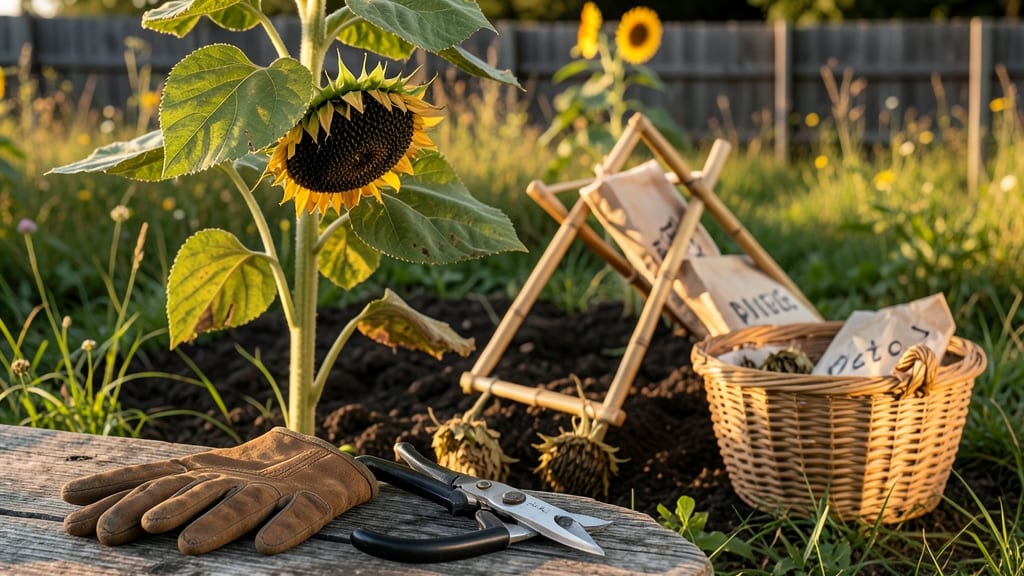
Sunflower seeds are ready to harvest when the flower head turns yellow-brown and the seeds rattle inside 🌻 — a sure sign they’re at their peak before shattering.
Picture this: you’ve spent months nurturing your towering sunflowers, only to wake up one morning to find seeds scattered everywhere like nature’s confetti. That’s the moment you realize timing is everything. But how do you know when to strike for the best yield?
Most gardeners wait until late summer or early fall, but the real secret lies in the flower head’s color and texture. A quick shake test or a peek at the seed color can save you from harvesting too early or too late.
Below, I’ll walk you through the exact cues to look for and the best time of day to pick them.
You’ll also discover how to dry and store your seeds properly so they stay viable for next year’s garden. No more wasted seeds or missed opportunities!


5 Key visual signs sunflower seeds are harvest-ready (before they shatter)
Sunflowers transform from cheerful blooms into seed producers, but timing your harvest is everything. Miss the window, and those plump seeds turn to dust in your hands.
The key lies in visual cues that reveal when seeds are at their peak—before the flower head shatters and scatters seeds across your garden. I’ve harvested hundreds of sunflower heads, and these five tell-tale signs never fail me.
First, watch the flower head color. When the back of the seed head transitions from green to yellow-brown, that’s your first green light. This change signals the seeds inside are maturing.
But don’t grab your pruners just yet—you’ll need to confirm with two more critical visuals before declaring them harvest-ready. The color shift is your starting point, not the finish line.
Next, focus on the petals. When they dry out and fall off naturally, it’s a clear sign the plant is redirecting energy to seed production. I often see gardeners mistake this for the plant dying, but it’s actually the opposite—the sunflower is preparing to release its seeds.
If you still see vibrant petals clinging to the head, the seeds aren’t ready yet.
Here’s where most gardeners go wrong: They harvest based on petal drop alone, only to find the seeds inside are still hard and underdeveloped. That’s why the third sign—the seed rattle test—is non-negotiable. Give the flower head a gentle shake. If you hear a dull thud (like a bag of marbles), the seeds are still firm and unripe. But if they rattle like popcorn in a bowl, that’s your cue to harvest within the next 24-48 hours.
| Sign | Not Ready (Green) | Ready (Yellow-Brown) |
|---|---|---|
| Flower Head Color | 🟢 Bright green | 🟡 Yellow-brown |
| Petals | 🌸 Vibrant, attached | 🌾 Dry, falling off |
| Rattle Test | 🔇 Dull thud (firm seeds) | 🔊 Loud rattle (loose seeds) |
| Seed Head Base | 💧 Plump, moist | 🌡️ Dry, papery |
| Stem Dryness | 🌿 Flexible, green | ✂️ Brittle, brown |
Use this side-by-side guide to spot the difference between ready-to-harvest and overripe sunflowers in seconds.
The fourth sign often gets overlooked: the base of the seed head. When it turns papery and dry, it’s a dead giveaway that the seeds inside are mature.
Run your thumb along the base—if it feels rough like sandpaper, you’re in the harvest window. A smooth, moist base means the seeds need more time.
Finally, check the stem dryness. A brittle, brown stem is your final confirmation. Gently bend it—if it snaps easily, the plant is done producing seeds and is ready to be cut down.
I’ve seen gardeners ignore this sign and end up with sunflowers that shatter before harvest, leaving them with half the seeds they could have saved.
Timing is everything, especially in late summer to early fall when sunflowers reach maturity. If you’re in USDA Zone 6a (like me), aim for August to early September for peak harvest. But don’t stress if your local climate runs a week early or late—these visual cues are universal.
The moment all five signs align, grab your pruners and harvest before the seeds scatter naturally.
Pro tip: Harvest on a dry morning after the dew has evaporated. This prevents mold and ensures your seeds dry evenly. Once you’ve cut the head, hang it upside down in a dark, dry place for 1-2 weeks to finish drying.
If you rush this step, you’ll end up with shriveled, unusable seeds—a heartbreaking mistake I’ve made more times than I’d like to admit.
Now you’ve got the visual playbook to harvest sunflower seeds at their peak. No more guessing, no more wasted seeds—just perfectly timed harvests every time. Grab your pruners, and let’s turn those sunflowers into a seed stash for next year’s garden! 🌻
How to test sunflower seed maturity: the finger-poke method (and other pro tips)
Harvesting sunflower seeds at the perfect moment means the difference between a bountiful seed stash and a scattered mess. The finger-poke test is my go-to trick—it’s foolproof and takes just seconds.
But there are other tell-tale signs too, like seed color and head dryness, that confirm you’re ready to harvest.
First, avoid harvesting too early—underripe seeds won’t store well, and you’ll miss out on the full yield. On the flip side, waiting too long means seeds will shatter and scatter, leaving you with wasted effort.
The key is catching them at that sweet spot when they’re fully mature but still intact.
Here’s how to test sunflower seed maturity with my step-by-step guide, including the finger-poke method and other pro tips to ensure you harvest at peak perfection:
- 1 Check the back of the seed head: The reverse side of the flower head should turn yellow-brown. If it’s still green, wait a few more days.
- 2 Perform the finger-poke test: Gently press your fingertip into a seed. If it gives slightly but doesn’t feel mushy, it’s ready. If it’s hard, wait longer.
- 3 Listen for the rattle: Shake the head gently. If you hear a distinct rattling sound, seeds are mature. No sound? They’re not ready yet.
- 4 Inspect seed color: Open a seed pod. If seeds are plump and dark (not green or white), they’re harvest-ready. Pale seeds need more time.
- 5 Harvest on a dry day: Choose a sunny, dry morning to cut the stem. This prevents mold and ensures seeds dry properly.
If you’ve missed the window and seeds have already started shattering, don’t panic! Collect any fallen seeds, spread them on a tray lined with paper, and let them dry in a warm, dry place for a few days. Most will still be viable for planting.
Pro tip: Label your seeds by variety and store them in a cool, dark place with low humidity. A paper bag or envelope works perfectly—just keep them away from moisture to prevent spoilage.
With these techniques, you’ll never again wonder when are sunflower seeds ready to harvest. Happy harvesting, and may your seed stash be plentiful! 🌻